





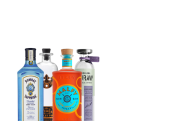




Buying alcohol as a Christmas or New Year’s gift involves two immediate constraints: deadline pressure and incomplete knowledge about the recipient’s taste. Pink prosecco for women, whisky for men – these templates persist in retail displays and advertising, yet actual preferences vary widely across individual buyers and occasions.
December demand shifts measurably. People replenish supplies consumed at parties, hunt for bundled gift sets, seek premium bottles for entertaining, and increasingly consider options for those who drink less or abstain. What moved in November – standard single bottles, gives way in the final pre-holiday week to curated sets, limited-edition packaging, and discovery formats.
The Holiday Rush: What Changes in December
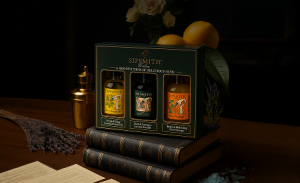
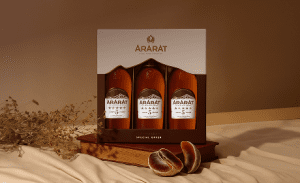
End-of-month retail moves toward gift sets: not solo bottles, but multi-option packages, advent calendars with miniature bottles, champagne paired with proper glassware, gin bundled with mixers and botanicals. Limited holiday packaging performs especially well in the female gifting segment, with visual design serving as an independent driver of purchase.
Simultaneously, no- and low-alcohol options are gaining momentum. These alternatives accommodate guests with varying consumption patterns and appeal to buyers considering the post-holiday shift.

Gift Sets For Her
Prosecco functions as the December emergency gift – male buyers particularly favor it for its safety, festive associations, and packaged convenience. The 56% figure often cited refers to prosecco purchased as gifts by men, reflecting retail dynamics more than female preference. If delivery schedules permit additional days, alternatives warrant consideration.
No and Low-Alcohol Categories
The non-alcoholic spirits sector shows consistent double-digit growth. Premium botanical-forward spirits, alcohol-free wines, and low-ABV spritzes now appear in gift-appropriate packaging. These function as complete purchases rather than compromise options, suited to recipients balancing festive participation with January intentions around moderation and health.
Champagne and Premium Sparkling Wine
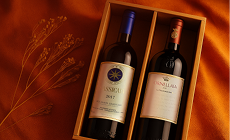
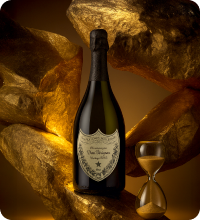
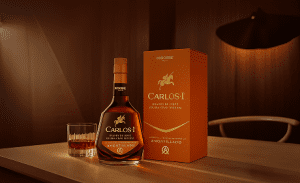
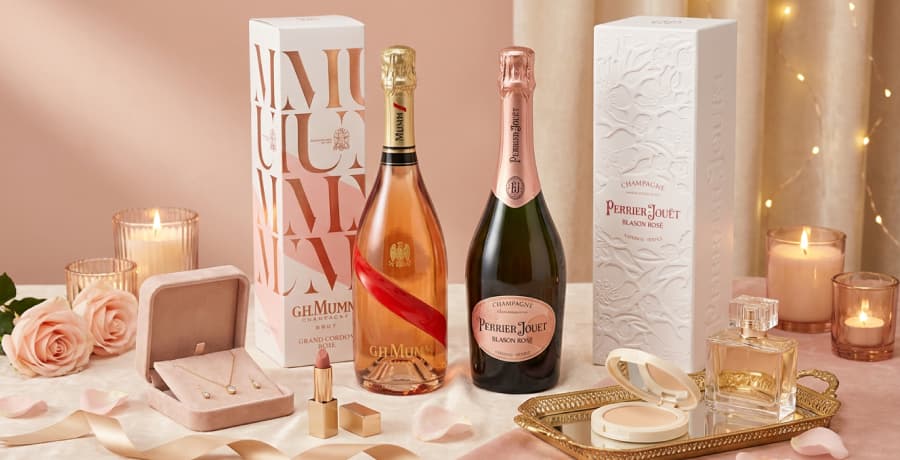
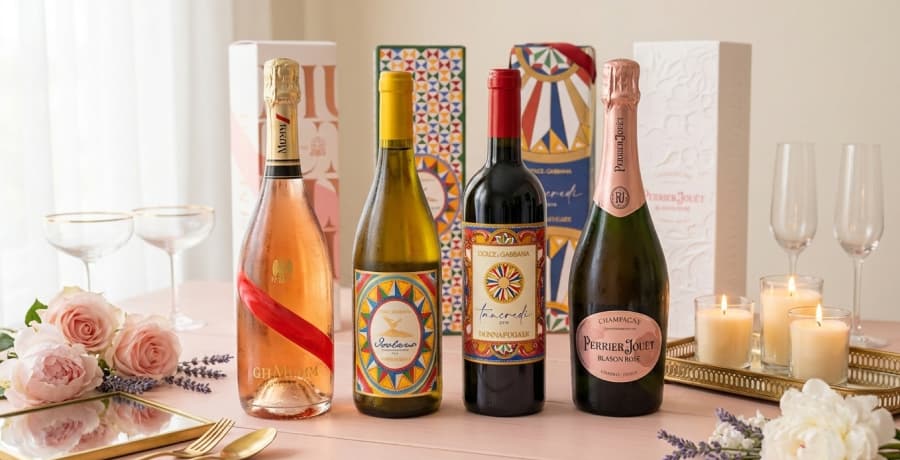
Producers release holiday-specific selections in December: commemorative bottles, gift boxes, and combinations with glassware or gourmet pairings. Visual design carries weight – bottles that merit shelf display rather than immediate consumption appeal to buyers and recipients alike. Vintage champagne sets and limited editions signal occasion-specific attention. Quality flutes paired with the bottle complete the presentation.
Advent Calendars and Tasting Sets
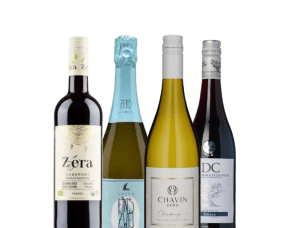
Collections of 12-24 miniature wine or sparkling bottles enable sampling across regions and styles without having to purchase full-size bottles. The recipient value lies in the discovery format rather than quantity. Wine tasting sets with 4-6 different bottles from distinct regions serve a similar function – exploration over accumulation appeals to established collectors seeking new experiences rather than shelf expansion.
Gin with Seasonal Positioning
December retail features gin in bundled form: tonics, botanical garnish options, and cocktail guides for holiday entertaining. Designer collaborations (limited runs with fashion houses) perform well among buyers prioritizing visual appeal. Floral and fruity botanical profiles outsell heavy, herbaceous varieties during the holiday season – recipients perceive them as celebratory rather than demanding.
Designer Collaborations and Limited Releases
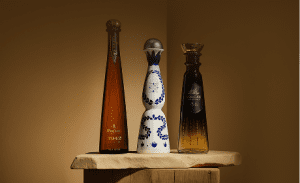
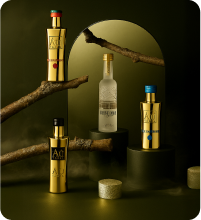
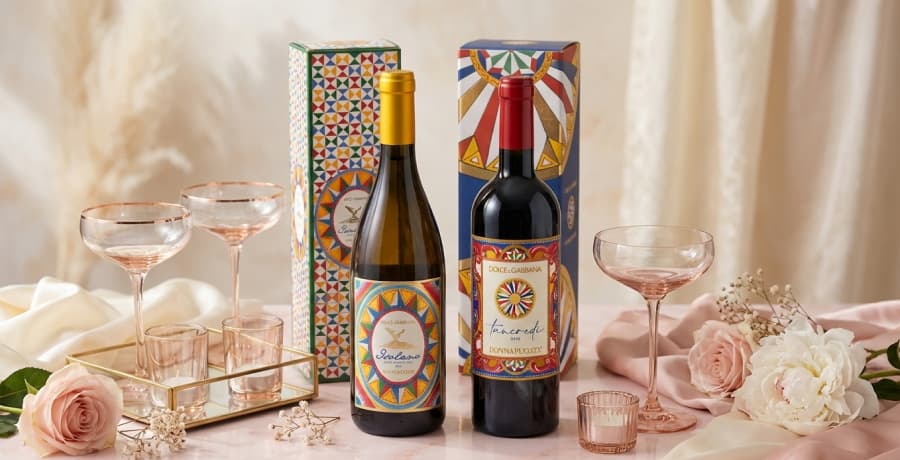
December acceleration of brand partnerships produces holiday-specific wine, gin, and sparkling wines bearing designer house patterns and packaging. Recipients often perceive these bottles as collectible objects rather than beverages alone – conversation pieces justified on aesthetic merit independent of liquid merit. This category appeals to buyers with design-focused recipients.
Gift Sets for Him
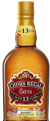
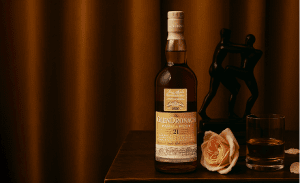
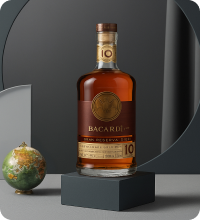
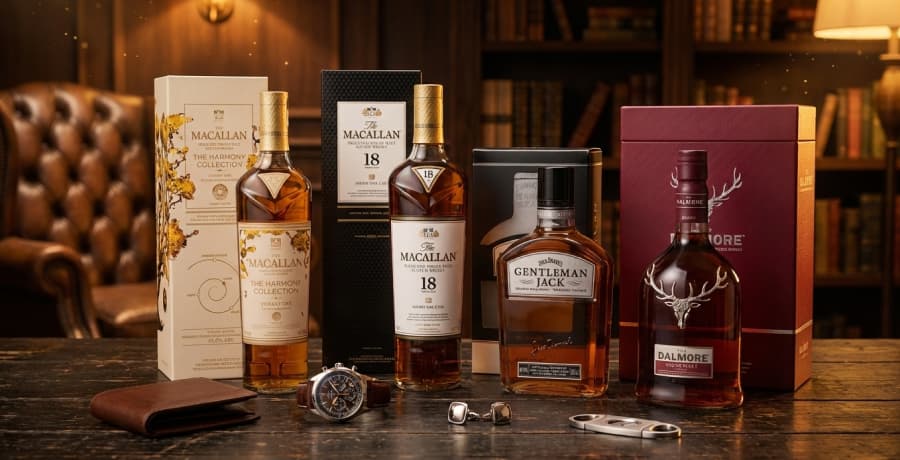
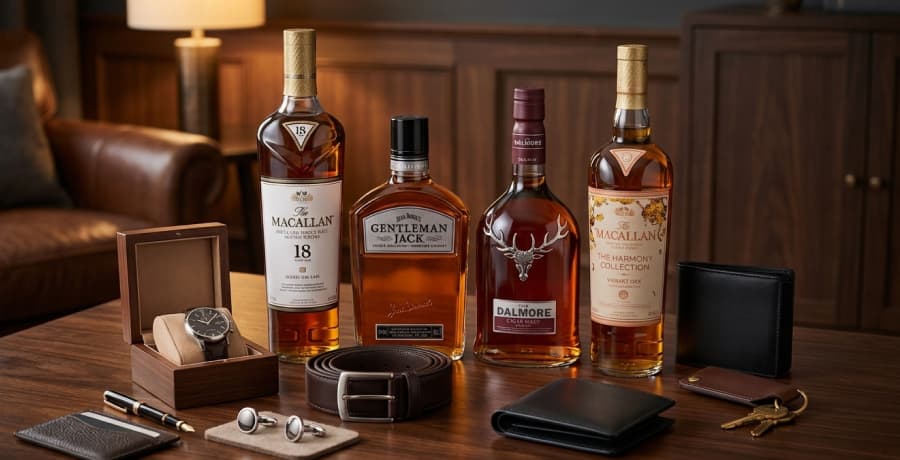
Whisky remains the obvious default for male gifting, yet December concentrations mean single recipients often accumulate multiple similar bottles throughout the holiday season. Value emerges either through unusual releases or through variety-focused formats (subscription services, discovery boxes) rather than standard single-bottle purchases.
Holiday-Specific Limited Releases
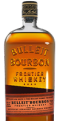
Major distilleries launch December editions with special finishes, commemorative packaging, or exclusive barrel selections. These bottles distinguish themselves from standard retail inventory and read immediately as deliberate gifts rather than generic selections. Bourbon distilleries particularly emphasize holiday releases targeted at December buying windows.
Bourbon Over Single-Malt for Gifting
When recipient taste preferences remain uncertain, bourbon carries less risk than complex single-malt Scotch. Bourbon profiles tend toward approachability – pronounced sweetness, vanilla, caramel notes, that broader audiences find accessible. Holiday bourbon sets paired with accessories (quality glassware, cooling stones, miniature bottles) reduce selection risk while suggesting thoughtfulness.
Subscription Services and Extended-Time Gifting
Monthly alcohol delivery boxes (whisky clubs, cocktail subscriptions, mixed spirit discoveries) distribute the gift experience across several months rather than concentrating it into a single opening. Recipients receive planned exposure to new styles and expressions. For gift-givers, this format avoids the limitations of a single bottle and suggests ongoing engagement with the recipient’s interests.
Spirits That Work Equally Well for Everyone
Gin
Gin occupies genuinely neutral ground. Holiday limited editions, advent calendar formats, and botanical-forward sets with mixers work equally for male and female recipients. The category supports both cocktail experimentation and straightforward mixing, making it adaptable to different consumption patterns and entertaining contexts.
Champagne and Sparkling Wine
Sparkling wine maintains a symbolic association with New Year’s transitions and celebratory toasts independent of recipient gender. Packaging with matching glassware, gourmet pairings, or elegant boxes enhances the perception of the completed gift. Vintage bottles and designer collaborations appeal to a broad range of recipient demographics.
Strengthening the Holiday Gift Impact
December gathering patterns – company dinners, family celebrations, year-end marking rituals, ensure most alcohol gifts enter social contexts. Against this backdrop, straightforward personalization techniques have a greater impact than standard seasons.
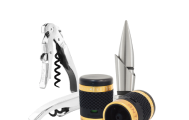
Practical additions include a brief note explaining the selection (region, style characteristics, connection to recipient interests), paired glassware or accompaniments suited to the spirit, and packaging that retains value beyond immediate unboxing. These details transform catalog selections into clearly intentional gestures.
Strategic Advantage in Last-Minute December Buying
Late-December shoppers have an information advantage over earlier buyers: retail displays reveal what actually sells, what packaging resonates with buyers, and which combinations prove popular in real time. Rather than predicting trends, late buyers observe current demand and can see which inventory persists on shelves versus what retailers actively promote for remaining delivery windows.
Focus areas for final-week purchasing:
- Limited-edition holiday bottles and special releases
- Advent calendars and curated discovery sets
- Bundled sets with accessories or food pairings
- Premium wrapping and presentation options
- Subscription services (concept delivery immediate, physical product January arrival)
The New Year Dimension
December gifting occurs alongside January resolution-setting. Some recipients will reduce consumption. Others will explore moderation. Some will shift toward health-conscious choices. These patterns don’t contradict alcohol gifting – they reframe it.
No and low-alcohol alternatives become substantive gifts rather than compromises. Discovery sets (wine, spirits, gin tasting boxes) support intentional exploration. Premium positioning over quantity makes sense – smaller, exceptional bottles over bulk purchases. Experience-based gifts (cocktail classes, tasting club memberships) appeal more than accumulation.
December gifts operate on a dual timeline: immediate holiday celebration and the recipient’s self-directed January transition.
Find Your Perfect Holiday Gift Set at Finespirits
Current curated selections emphasize ready-made sets with accessories, limited releases, advent calendars, and no- or low-alcohol options, which align with observable December demand patterns. Custom set-building services (spirit selection, glassware addition, snack pairings, branded packaging) address buyers seeking personalized impact despite compressed timelines.
FAQ: Alcohol Gifts for Him and Her
Is prosecco actually a solid gift choice for women at Christmas, or is that pure marketing?
Prosecco functions as a reliable, low-risk selection, which explains why male buyers default to it rather than reflecting a specific female preference. The 56% figure referring to male purchases as gifts supports this observation. Prosecco works when paired with intentional additions (quality flutes, gourmet components, and a written explanation of the selection). Gin and champagne often register as more deliberate choices if the recipient’s taste permits familiarity.
What’s a good last-minute alcohol gift for someone I don’t know very well?
Advent calendars and bundled discovery sets work well because they signal an experience- or exploration-focused approach rather than an assumed taste. Mid-range prosecco or quality gin sets, complete with mixers, remove the guesswork – both categories read as approachable and social, offering immediate usability.
Should I purchase a single premium bottle or a multi-bottle set for holiday gifting?
Sets and advent calendars typically outperform single bottles in December because they feel more substantial and offer variety without requiring extensive knowledge of flavors. Single-premium bottles are suitable for situations where recipient preferences are well-established. Serious spirit collectors may prefer rare single-bottle selections; recipients who value sampling and variety benefit from structured tasting sets.
What additions make a prosecco or champagne gift feel cohesive?
Quality champagne flutes (not generic mass-market versions), artisanal chocolates, luxury crackers, or fine cheese selections shift perception. “Pop the Prosecco” format sets (bottle, chocolates, retain-worthy wooden box) read as premium and complete.
Do designer collaboration spirits justify their cost premium as gifts?
For recipients prioritizing design, aesthetics, and fashion-forward presentation, yes – Missoni gin, Dolce & Gabbana wine, or designer-partnered prosecco become conversation objects and collectible items. For taste-focused recipients, the premium costs allocation toward design rather than liquid quality may represent poor value.
Is single-malt scotch risky as a gift for recipients with unclear taste preferences?
Yes. Single malt occupies a specific, intense flavor territory – peaty, smoky profiles that don’t work universally. Quality bourbon or gin presents safer options. If uncertainty persists, subscription services let recipients discover their preferences over several months without the risk of a single poorly chosen bottle.
Does an alcohol subscription read as thoughtful or as last-minute corner-cutting?
Subscription formats work strategically in December. Frame the gift as extended-time exploration (“something to explore all year”) rather than rushed selection. This positioning reads as intentional rather than expedient, particularly given that recipients can access the digital gift code immediately, even though physical product delivery is scheduled for January.