





























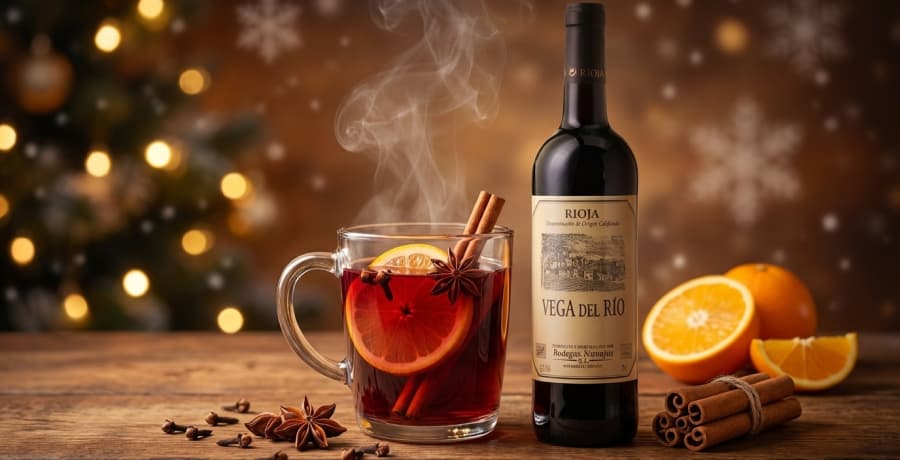
Polish winters demand hot drinks. When temperatures drop below freezing and snow piles thick on streets, grzaniec – spiced, heated wine becomes a saviour on chilly winter. This drink carries centuries of tradition, though most people approach it randomly: throw spices into wine, heat it, and hope for acceptable results.
The drink traces back to ancient Roman Hippocras, but the Polish grzaniec developed its own identity, shaped by the ingredients available and cultural preferences. Grzaniec differs from German Glühwein and French vin chaud in one consistent detail: Polish tradition uses honey instead of the regular sugar, creating a richer texture and warmth that sugar alone cannot produce.
Making it properly requires understanding three mechanical points: wine selection, spice balance, and heating temperature. Skip any one, and you lose the effect.
How Grzaniec Functions
Cold creates physiological stress. Holding a warm mug, breathing in the aromatic steam from spiced wine, and sipping something that generates internal warmth directly address this stress. Each ingredient in the mulled wine is also good for your health when consumed in reasonable amounts.
Red wine contains resveratrol, an antioxidant that reduces the risk of cardiovascular disease. Cinnamon and ginger provide anti-inflammatory effects. During cold months, when illness peaks, moderate consumption of well-made mulled wine supports immune function through antioxidant compounds in both the wine and the spices.

The benefit window remains narrow: one small cup on a winter evening provides a measurable advantage.
Wine Selection Matters
The wine choice directly impacts the quality of your future mulled wine.
Red Wine: The Actual Base
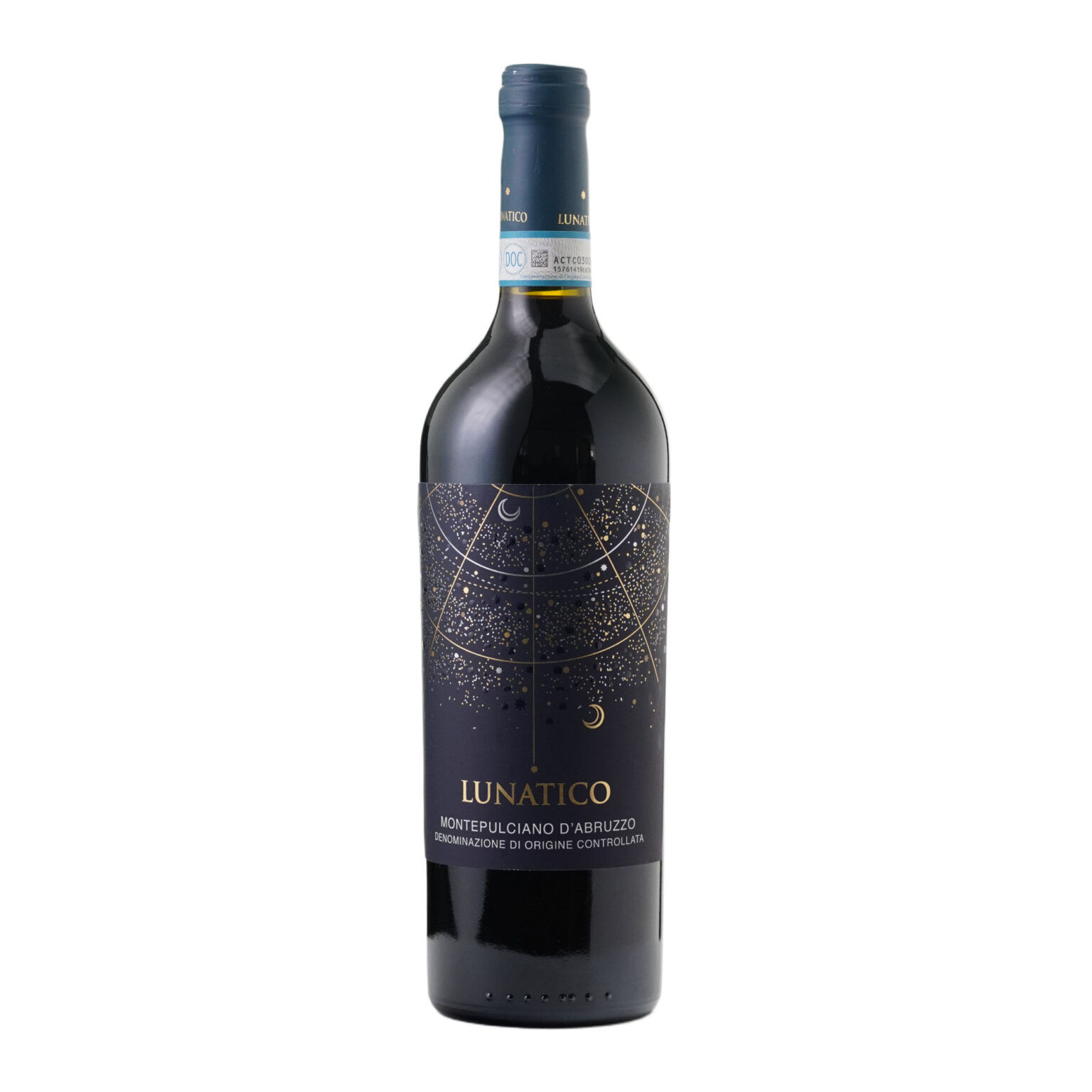
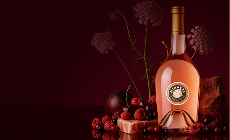
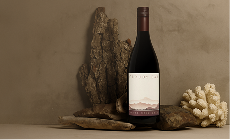
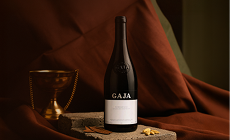
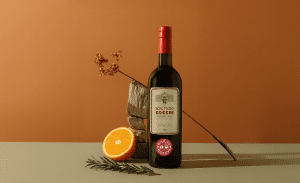
Traditional Polish grzaniec uses red wine. The perfect candidate would be Lunatico Montepulciano d’Abruzzo DOC 2023. This wine produces intense aromatic profiles, like plums, blackberries, spices, that complement cinnamon, cloves, and star anise. At 13.5% ABV, the wine maintains character through heating without overwhelming the spice balance.
Budget consideration matters: grzaniec does not require expensive wine. A semi-dry red wine in the 30–50 PLN range transforms completely during heating and spicing. Premium wines (bottles priced at 200+ PLN) lose their distinctive characteristics when heated. Reserve those for drinking straight.
White Wine (Not Traditional)
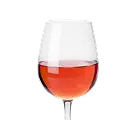
While traditional Polish grzaniec is made with red wine, you can try white wine mulled wine This is a modern sister of red wine – lighter and more delicate, suited to milder evenings rather than deep winter cold. However, we recommend sticking to traditional ways, solely because of a more effective pairing with cinnamon and cloves.
Fortified Wine Addition (Optional)
Adding 3 tablespoons of Sherry, Port, or Madeira at the very end (after heating, just before serving) prevents alcohol loss during heating. Alcohol evaporates at 78 C. By adding fortified wine after heating completes, you preserve the warming effect and add subtle depth.
The Grzaniec Recipe (Serves 4-6 people)
Ingridients
Wine Base:
- 1 bottle (750ml) dry or semi-dry red wine
Sweeteners:
- 2 tablespoons white sugar (omit if using sweet wine)
- 1 tablespoon honey (provides Polish character – honey adds warmth and textural depth that sugar alone lacks)
- 1 tablespoon vanilla sugar (optional, traditional in Poland)
Core Spices:
- 1 cinnamon stick (about 3 inches)
- 5 whole cloves
- 3 star anise pods
- 2 cardamom pods (optional, adds complexity)
- 1/4 teaspoon ground ginger OR 1 small slice of fresh ginger
- Pinch of nutmeg (optional)
Citrus:
- 2 oranges, sliced into thin rounds
- 1 lemon, sliced (optional, adds brightness)
Finishing:
- 3 tablespoons Sherry, Port, or Madeira (optional but recommended)
Garnish:
- Additional cinnamon sticks, fresh cranberries, orange slices
Instructions
1. Prepare ingredients (5 minutes)
Slice the oranges and lemon into thin rounds. Measure spices and set them out. This preparation, or mise en place, prevents scrambling once heating begins.
2. Heat the wine (5 minutes)
Pour the entire bottle into a large saucepan over medium heat. Do not bring it to a boil. Aim for gentle heat that brings the wine just below simmering – ideally 70-80 C. Watch for steam and tiny bubbles forming on the pot sides, but no rolling boil.
This point matters mechanically: alcohol evaporates at 78 C. If the wine boils, you lose the warming alcohol content and end up with less flavorful grzaniec.
3. Add spices and other ingredients (5 minutes)
Once the wine reaches a gentle heat, add cinnamon stick, whole cloves, star anise, cardamom pods, and fresh ginger if using. Stir gently. The spices begin releasing essential oils immediately. The aroma will shift noticeably.
Add white sugar and honey. Stir constantly until both dissolve completely. This takes about 1-2 minutes. Honey shifts the texture and warmth profile in ways plain sugar cannot.
Add orange slices and, if using, lemon slices. Do not squeeze them. Let them float and infuse the wine with natural oils and juice. Citrus adds brightness and cuts through spice and honey richness.
4. Simmer and infuse (20-30 minutes)
Reduce the heat to low. Cover partially (lid slightly ajar) and let the grzaniec simmer gently. Maintain barely noticeable simmering. Turn down the heat if the concoction starts to boil aggressively.
Let it infuse for at least 20 minutes, no more than 30. At 20 minutes, you achieve a good spice infusion without over-spicing. At 30 minutes, flavors become richer but remain balanced. Beyond 30 minutes, spices can turn overwhelming and slightly bitter.
During this time, the kitchen fills with an inviting aroma: warming spices, citrus, and wine combine into a fragrance that signals comfort and anticipation.
5. Strain and serve (5 minutes)
Using a fine mesh strainer or cheesecloth, pour the grzaniec carefully into a serving pitcher or directly into mugs. Remove and discard the spices, orange slices, lemon slices, and any floating debris. You want only clear, aromatic wine in your cups.
If using fortified wine, add it now after straining, just before serving. Pour into heat-resistant mugs or glasses. Serve immediately while hot. Garnish with a cinnamon stick, a fresh orange slice, or fresh cranberries.
Temperature Guidelines
- Below 50 C: loses warmth appeal
- 70-75 C: comfortable to hold and drink, genuinely warming
- Above 80 C: risks mouth burns, though it cools quickly in a mug
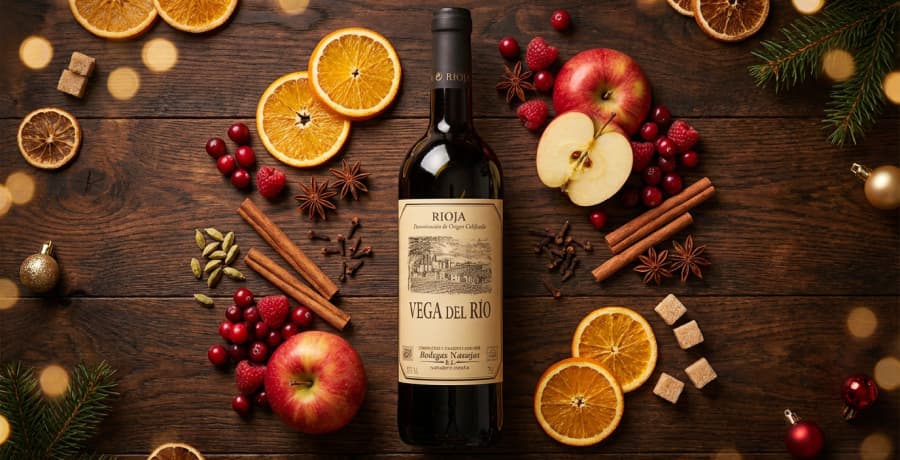
Storage and Reheating
Grzaniec tastes best fresh. You can prepare it ahead: make it fully, strain completely, cool it, and refrigerate in a covered container for up to 3 days. To reheat, warm gently over low heat – never simmer again, as this damages flavors and evaporates alcohol.
For gatherings, keep grzaniec warm in a slow cooker on the lowest setting for hours. This proves ideal for parties – guests serve themselves whenever they like, and flavors intensify over time.
Regional Polish Variations
Grzaniec na Miodzie (Honey-Forward)
This version emphasizes honey as the primary sweetener, reducing or eliminating sugar entirely. Mazurskie Miody produces “Grzaniec Biesiadny na Miodzie” – a 12% ABV mead-wine blend specifically formulated for this tradition. Some families combine honey mead and wine in equal parts, creating a richer blend.
Non-Alcoholic Grzaniec (Grzaniec Bezalkoholowy)
A fully alcohol-free version uses tea and herbal infusions instead of wine, with identical spicing and honey. Yogi Tea and other herbal bases work well. This serves families with non-drinkers, pregnant women, or anyone wanting the warmth and ritual without alcohol. The sensory experience remains complete.
Other Variations
Grzaniec with egg yolk (kogel-mogel style) creates a creamy, custard-like drink. Some regional variations add cranberry juice, orange juice, or apple juice to wine. Some recipes add rum or brandy for increased potency – add these after heating completes to prevent complete evaporation.
Grzaniec as a Gift
Grzaniec makes an exceptional gift package for the winter months. Include: a bottle of quality red wine (Lunatico Montepulciano d’Abruzzo or similar), small jars of spices (cinnamon sticks, whole cloves, star anise, cardamom pods), a printed recipe card with personal notes, a small jar of quality honey (Mazurskie Miody adds authenticity), and optional items like heat-resistant mugs or fresh cranberries.
Present everything in a beautiful box or basket, wrapped in tissue paper. Include a note: “For Winter Evenings: Everything You Need to Make Authentic Polish Grzaniec.
If you are the host, start preparation about 30 minutes before guests arrive. The aroma filling your home signals warmth and care before visitors realize what produces it.
Serve in ceramic mugs or heat-resistant glasses. Grzaniec pairs with: cinnamon rolls or spiced pastries, pierniki (Polish gingerbread cookies), chocolate-covered pastry, soft pretzels, cheese, and nuts. Avoid heavy meat dishes – grzaniec works best with lighter, warming accompaniments.
The drink naturally slows conversation. Warmth, sipping, aroma – all invite lingering. Grzaniec opposes quick moments. It supports depth, presence, and connection.
Common Errors to Avoid
Boiling the Wine
The most frequent mistake. Boiling evaporates alcohol, disrupting the flavor balance. Maintain barely simmering temperatures at most.
Over-Infusing
Simmer for a maximum of 30 minutes, or the spices will become overpowering and bitter. Less proves more.
Poor Wine Quality
Cheap wine with harsh vinegar notes tastes worse when heated. Spend 30-50 PLN on something decent. Do not skip honey – it adds richness and a velvety texture that distinguishes Polish grzaniec.
Adding Spirits Too Early
If using brandy or rum, add it at the very end, off heat. Adding during cooking evaporates it entirely. Do not forget to strain – floating spices and orange slices make drinking uncomfortable.
FAQ
How does Grzaniec differ from Glühwein or vin chaud?
Grzaniec is a Polish mulled wine – heated wine infused with spices, citrus, and traditionally honey rather than plain sugar. All three derive from ancient Roman Hippocras. Polish tradition emphasizes honey, which creates a richer, warmer drink than versions made with only sugar.
Can I make a non-alcoholic Grzaniec?
Absolutely. Non-alcoholic grzaniec uses tea or herbal infusions instead of wine with identical spicing and honey. Warmth, aroma, and tradition remain complete. For children or non-drinkers, this maintains the full sensory experience without alcohol.
What serving temperature works best?
Ideally, 70-75 C – hot enough to genuinely warm, but cool enough to drink within one minute without mouth burns. Below 50 C, it loses warming appeal. Above 80 C, it becomes uncomfortable.
Can I make Grzaniec ahead and reheat it?
Yes. Prepare fully, strain completely, cool, and refrigerate for up to 3 days. To reheat, warm gently over low heat – never simmer again. For parties, make it the morning before and reheat before guests arrive.
What wine should I use?
Use mid-range-quality wine (30-50 PLN), not expensive bottles or cheap, vinegary stuff. Heating and spicing transform the wine, so premium bottles serve no purpose. Save those for drinking straight.
Why use honey instead of sugar?
Yes. Prepare fully, strain completely, cool, and refrigerate for up to 3 days. To reheat, warm gently over low heat – never simmer again. For parties, make it the morning before and reheat before guests arrive.
What wine should I use?
Use mid-range-quality wine (30-50 PLN), not expensive bottles or cheap, vinegary stuff. Heating and spicing transform the wine, so premium bottles serve no purpose. Save those for drinking straight.
Why use honey instead of sugar?
Honey adds richness, velvety texture, and natural warming properties that sugar lacks. It carries historical significance in Polish tradition – honey served as a staple sweetener for centuries. The result becomes thinner and less satisfying when sugar alone is used.
How do I prevent alcohol evaporation?
Keep the temperature below 78 C. Watch the pot carefully – aggressive boiling indicates heat running too high. Adding fortified wine, such as Port or Sherry, at the very end (after heating) preserves the alcohol content.
Can I use white wine?
Technically, yes, but it is not traditional. White wine mulled wine is lighter and more delicate, better suited to spring or milder evenings. If you use white wine, reduce the honey slightly.
Which spices are essential?
Essential: cinnamon stick, whole cloves, star anise. These three create the classic profile. Optional but traditional: cardamom, fresh ginger, nutmeg. Avoid ground spices unless you strain them out immediately – they create cloudiness and grittiness.
Is mulled wine actually healthy?
When made with real red wine and high-quality spices, mulled wine provides measurable health benefits: cardiovascular support from resveratrol, immune support from antioxidants, and anti-inflammatory effects from cinnamon and ginger. These benefits apply to moderate consumption (one small cup) – not excessive drinking.
What foods pair with Grzaniec?
Spiced pastries, cinnamon rolls, pierniki, chocolate-covered items, soft pretzels, nuts, cheese, and dried fruit all pair. The warm spice and honey complement sweet and slightly savory foods.
Can I make Grzaniec in bulk?
Absolutely. The recipe scales easily. For 20 people, make 3-4 batches or triple the entire recipe. Keep batches warm in slow cookers.
Where can I get quality wine and ingredients?
Finespirits.pl stocks high-quality red wines suited for grzaniec. Any grocery store carries cinnamon sticks, whole cloves, and star anise. For quality honey, Mazurskie Miody is an excellent Polish option. Fresh citrus remains available year-round.
What is the best time to enjoy Grzaniec?
Traditionally, grzaniec is a winter drink, served from November through February. With modern heating, grzaniec is increasingly used year-round, particularly at gatherings where ritual matters more than the external temperature.