



The simplest question, the worst answer
“How much alcohol for a wedding?” The question returns every season with the same force — and every season meets the same answer: half a litre of vodka per person.
It sounds simple. But it takes a moment to notice that the same rule is applied to a fiftieth birthday, a corporate Christmas dinner, a christening and a summer garden party. Four entirely different events, one formula. Something isn’t quite right.
At FineSpirits we advise on drinks for weddings, business events and private dinners. The conclusion from hundreds of conversations with hosts is the same as the one from tastings: the real answer is always “it depends”. And that is exactly why our alcohol calculator exists — to turn those “dependences” into specific numbers in three minutes, without reaching for a calculator and without counting uncles.
This article isn’t a maths lesson. It’s a look behind the scenes — why classic rules of thumb fail, what really decides how many bottles end up on the table, and how premium guests can rewrite the entire bill with a single glass of champagne.
Why "half a litre per person" stopped working a long time ago
That rule comes from another Poland. From a time when:
- a wedding meant vodka, and wine was an accessory to the toast,
- nobody asked whether the champagne was actually from Champagne, or from a tanker somewhere near Płock,
- welcome drinks, cocktail bars and “chill-out zones” with chilled sparkling wine simply didn’t exist.
Today’s wedding guest drinks differently. Some never touch vodka — they prefer a glass of Burgundy with the cod and a Negroni after dessert. Some are driving and stick to water. Some are friends from abroad who treat vodka as a curiosity and drink prosecco like water. And you want to take care of all of them.
While, at the same time, buying enough — and not so much that you’ll be hauling crates to the garage for the next year.
Statistics from large weddings are unforgiving: the average vodka consumption is around 0.45 bottles per person, but the real spread runs from 0.25 to 0.7 bottles. In other words, two weddings of the same size can need amounts of alcohol differing by up to 60%. A single formula has no chance of capturing that.
Four questions that actually matter
When a FineSpirits sommelier sits down with the host of an event, the first question isn’t “how many people are coming?”. It’s four things.
First — who is coming and how many of them. Not the number alone. The number multiplied by context: a family wedding with three generations, a boutique dinner for whisky collectors, a post-conference team event, an anniversary among the closest friends. Each event has its own drinking rhythm.
Second — how long it lasts. A four-hour business dinner, a six-hour evening wedding and an all-night reception with the next-day brunch are three different animals. More than that — time isn’t linear. After the eighth hour the pace clearly drops, it doesn’t rise. Most guests after midnight are drinking mainly water.
Third — what kind of occasion it is. A wedding follows a different logic than a christening. Toasts, traditions, the long evening — a wedding consumes on average a quarter more alcohol than a “regular” private party of the same length. Christenings and communions consume noticeably less, because they’re daytime and family-oriented. A corporate event — even less, because nobody wants to be the one explaining themselves to the boss the next day.
Fourth — what you put on the table. And this is where the mistake hides that ruins most budgets. If you’re planning vodka, wine, champagne and beer, and you add up the full per-category recipe for each one separately — you’ll buy roughly twice as much alcohol as the guests will actually drink. Because the same guest who would have drunk half a litre of vodka if that’s all there was on the table will split that consumption across four categories.
These four questions are exactly the ones our alcohol calculator asks. The rest — modifiers, proportions, limits — happens in the background.
How premium guests rewrite the whole bill
A premium audience doesn’t mean “drinks less”. It means “drinks differently”. And that difference has a real impact on what you buy.
Guests who know wine drink wine — not vodka. At a boutique dinner for twenty-four, eight bottles of good Chablis and six bottles of red Burgundy can disappear — alongside two opened, never-finished bottles of vodka at the end of the night. The classic “half a litre per person” rule would have produced 12 bottles of vodka. Two were actually needed.
Premium guests drink real champagne in real moments — on arrival and for the toast — and don’t reach for it for the rest of the evening. That means instead of 30 bottles of prosecco bought “just in case”, you need 6 bottles of good champagne and the same number of crémant chilled to keep the conversation flowing.
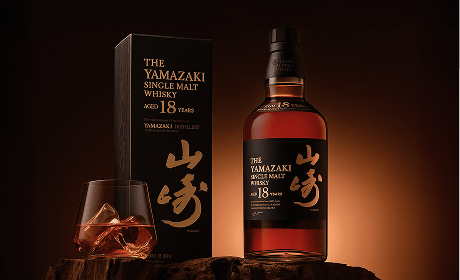
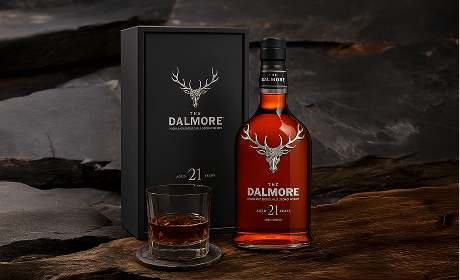
Premium guests appreciate one great bottle more than three average ones. Glenfiddich 18 instead of three bottles of Glenfiddich 12. Brunello di Montalcino instead of two Chianti. Veuve Clicquot La Grande Dame instead of five Moët Impérial. Fewer numbers on the shopping list, more memories at the end.
And premium guests drink water. A lot of it. Not from the plastic bottle in the catering box — Acqua Panna, San Pellegrino, Voss. A detail most hosts forget about, and one that stays in memory even longer than the wine.
The most common planning mistakes
Years of consultations have produced a list of recurring mistakes. Five of them come up in almost every conversation.
First: buying “the uncle’s way”. Everyone has a relative who “knows weddings” and will enthusiastically share their formula. The problem is that their last wedding was their own, in 1997, in a different family and a different era.
Second: underestimating wine in favour of vodka. Polish gastronomy is evolving faster than home habits. There are more wine drinkers every year, especially in the 30–45 group. The old “one bottle of wine for four people” worked when wine was a ceremonial accompaniment to the main course. Today it’s sipped throughout the whole evening.
Third: too much exotic stock “for the uncle who likes tequila”. In practice, a bottle of rarely-drunk alcohol stays roughly 70% full and goes home. Better to give the uncle one excellent bottle personally than stock a whole shelf “just in case”.
Fourth: no conversation with the caterer. Your caterer knows that a white Burgundy would pair beautifully with the saffron cod — but if you don’t suggest it, they’ll pour your guests Pinot Grigio from the third shelf. Your alcohol and your menu should be one conversation, not two separate shopping lists.
Fifth: forgetting about water. The professional norm is one and a half to two litres of water per person for an all-night event. A water shortage translates directly into how the guests feel the next morning — and how they’ll remember the evening. Good wine is forgotten in three days. A water shortage — in three weeks.
What you'll find in our calculator
The FineSpirits calculator asks exactly the four questions a sommelier would — and gives you a specific shopping plan in return. No login, no waiting, three minutes.
You enter the number of guests and the duration of the event in hours. A short dinner, an evening wedding, an all-night reception — the algorithm balances it for you.
You choose the event type from six options: wedding, birthday, christening, private party, corporate event, or other. Each has its own dynamics.
You select the drink categories you want on the table — wine, spirits, sparkling wine, beer, water and soft drinks, plus alcohol-free wine for guests who don’t drink. The calculator automatically takes into account that if you’ve chosen four categories of alcohol, each one will take a smaller share of total consumption — and won’t generate an absurd surplus.
You click “Calculate” — and you get an orientation plan: how many bottles of wine, how many spirits, how much sparkling, how many litres of water. Numbers you can take straight to the shop, or use as a starting point for an individual consultation with our team.
This isn’t a tool for shooting in the dark. It’s the first conversation with a sommelier — only it happens at three in the morning, when you can’t sleep because the wedding is in six weeks.
Three real scenarios
To show how this works in practice — three examples, each with an exact result from our calculator.
Classic wedding, 120 guests, 8 hours
An elegant portfolio without beer: wine, spirits, sparkling, water. A wedding is a long event with toasts and traditions — which is why consumption is highest here.
- Still wine: 41 bottles (recommended: 17 white + 24 red)
- Spirits: 14 bottles (premium vodka or a vodka–whisky mix)
- Sparkling wine: 24 bottles (prosecco for welcome and toast, plus 4–6 champagne for the key moments)
- Water and soft drinks: 108 litres
Corporate event, 80 people, 5 evening hours
No beer, instead good wine and one strong note for the digestif. Class, not extravagance.
- Still wine: 13 bottles (white Burgundy and Rioja Reserva)
- Spirits: 5 bottles (3 single malt whisky, 1 cognac, 1 premium vodka)
- Sparkling wine: 8 bottles of prosecco or crémant for welcome
- Water and soft drinks: 50 litres (Acqua Panna, San Pellegrino, coffee, tea)
Intimate anniversary dinner, 24 people, 4 hours
Elegant, boutique, every bottle counts.
- Still wine: 4 bottles (2 Chablis + 2 red Burgundy or Tuscan)
- Spirits: 2 bottles (premium single malt whisky + XO cognac for the digestif)
- Sparkling wine: 3 bottles of champagne for the aperitif and toast
- Water and soft drinks: 12 litres
Three completely different plans. The same algorithm. All it took was changing three inputs.
FAQ — Frequently Asked Questions About Niche Cognac Brands
How many bottles of vodka for a wedding of 100 people?
The classic rule says 50 bottles (half a litre per person), but that’s a number from another era. The actual amount depends on what else is on the table. If you also have wine and champagne — 10–12 bottles of 0.7 l vodka are usually enough. If vodka is the only spirit — around 20. Our calculator will work it out precisely, depending on the other drink categories you choose.
How much wine per person for a wedding?
The standard sommelier rule is one 0.75 l bottle for four people — for a four-hour event. For an all-night wedding that rises to about one bottle for two to three people. Premium guests who treat wine as the drink of the evening, not just an accompaniment to the toast, can drink considerably more. White and red are most often bought in a 40-to-60 ratio.
How much champagne for 100 guests?
For the classic scenario — one welcome drink and a toast — around 14–15 bottles of 0.75 l are enough. If you’re planning champagne throughout the evening, double that number. It’s worth separating prosecco or crémant (for welcome and casual consumption) from real Champagne (for key toasts and milestone moments).
How far in advance should I order alcohol for a wedding?
A minimum of four weeks before the event. For limited labels — vintage champagne, rare single malts, wines from specific vintages — we recommend planning six to eight weeks ahead. Some bottles leave the market faster than you’d expect.
Can I return unopened bottles after the wedding?
At FineSpirits we offer this option for event orders — the details are agreed individually during consultation. This lets you plan a comfortable 15–20% safety buffer, without the risk of unused bottles turning into a financial loss.
Is the FineSpirits calculator free?
Yes. The calculator is completely free and available without login at ilealkoholu.finespirits.pl.You get the result immediately after filling in the form. Only an actual order in our shop is paid — the calculator shows quantities only and doesn’t commit you to a purchase.
How is this calculator different from others online?
Most free wedding calculators online use a single universal formula — half a litre of vodka per person plus a fixed number of wine bottles. Our calculator takes into account four variables: number of guests, duration, event type (six options, from christenings to corporate events) and the drink categories you choose. It also automatically adjusts the result when you’re planning multiple types of alcohol at once — something none of the competitors we know of does.
What's next
A good event begins with the decision that every guest will get a glass they remember. Sometimes it’s a bottle of champagne, sometimes a cup of good coffee at three in the morning. But neither of those moments happens if the shopping is done “the uncle’s way”.
Fill in our alcohol calculator — three minutes, four questions, a ready plan. And if your event is unusual — international guests, a premium budget, a chef’s menu, a non-standard venue — leave us your details at the end, and a FineSpirits sommelier will call you back and put together a personalised list with specific labels.
Because the difference between a good evening and an unforgettable one is often a single bottle.