


























What Is Rum Made Of and What Are Its Types? [A Beginner’s Guide]
Rum is a spirit that instantly brings to mind palm trees, beaches, and the Caribbean — even if you’re actually sipping it in a Warsaw apartment or a Kraków townhouse. It’s a drink with exotic roots and deep cultural meaning: once favored by sailors and pirates, later admired by connoisseurs and bartenders worldwide. There’s a reason rum remains one of the most popular spirits today — it carries the lightness of white distillates, the depth of barrel-aged drinks, and the versatility to shine in countless cocktails. You can mix up a classic Mojito, surprise your friends with a Cuba Libre, or simply pour yourself a glass of dark rum and enjoy its rich aroma.
But if you’re just starting to explore rum, it’s easy to get lost. White, gold, dark, spiced… they all sound intriguing, but what actually sets them apart? Then come the mysterious tasting notes: “vanilla hints,” “caramel aromas,” “touches of tropical fruit.” Sounds great — but what do those words mean to someone who just wants to buy a good bottle for themselves or as a gift? That’s exactly why this article exists: to explain the basics in simple terms, share a bit of rum’s history and production, and highlight a few brands you can find at FineSpirits.pl. So next time you spot Don Papa, Dictador, or Bumbu on the shelf, you’ll know exactly what you’re reaching for — and why it’s worth a try.
What Is Rum Made Of?
At first glance, the answer seems simple: sugarcane. And that’s true — but not quite as straightforward as it sounds. Sugarcane is the plant used to produce sugar, and during that process, a sort of byproduct is created — molasses. This thick, dark syrup is rich in residual sugars and most often becomes the base for rum. However, some distillers use fresh sugarcane juice instead. It’s a pricier and more demanding approach, but it gives the spirit a uniquely fresh, grassy character.
Rum production can be broken down into three main stages. First comes fermentation: yeast is added to molasses or cane juice to convert sugar into alcohol. Depending on the fermentation time and yeast strain, the result can range from light and subtle to heavy and full-bodied. Next is distillation — and here, too, the methods vary. Some producers use traditional copper pot stills, which yield more aromatic distillates. Others prefer column stills, producing a lighter, cleaner spirit. Finally comes aging — letting the rum rest in barrels, most often ex-bourbon, and sometimes those that once held sherry or wine. The wood gives the drink its golden hue, gentle vanilla sweetness, and notes of caramel or spice.
The region also matters a lot. The Caribbean is the classic heartland — think the Dominican Republic, Cuba, Jamaica, and Barbados. Each island has its own distinct style: Cuban rums are light and crisp, Jamaican ones are bold and funky, rich in esters. Latin American countries, like Colombia and Nicaragua, tend to produce smoother, more balanced rums, often aged longer in oak. And then there are the Philippines — an exotic outlier where brands like Don Papa are made, known for their distinctly sweet, fruity profiles.

A Brief History of Rum
Rum’s history is as colorful as its flavor. The first mentions of sugarcane distillates appeared in the 17th century on Barbados and Jamaica, where European colonists began distilling molasses — an abundant byproduct of sugar production. The drink quickly gained popularity: cheap, strong, and easy to make.
You can’t talk about rum without mentioning sailors. The British Royal Navy famously introduced a daily rum ration for every sailor — the so-called “tot of rum.” It wasn’t just a small shot, but a solid measure diluted with water, known as grog. Rum was meant to lift morale and, at times, make crews a bit more obedient to their captains. The Royal Navy kept up this tradition until 1970, when it was officially abolished.
Pirates and privateers are also inseparable from rum’s legacy. While pop culture romanticizes the image (Jack Sparrow would surely have an opinion), rum really was a common shipboard drink and a key item traded in ports. It also played a role in the infamous colonial “triangular trade” — along with sugar and enslaved people.
Over time, rum made its way to dining tables across Europe and the Americas, and eventually into bars and cocktails. By the 20th century, it had become the foundation of classics like the Mojito, Daiquiri, and Piña Colada. Today, rum is enjoying a renaissance — more and more people are discovering it as a spirit worth savoring on its own, much like whisky or cognac.
Fun fact: in 1775, Boston residents drank more rum than milk. It was cheaper and easier to get than most other beverages.
Types of Rum
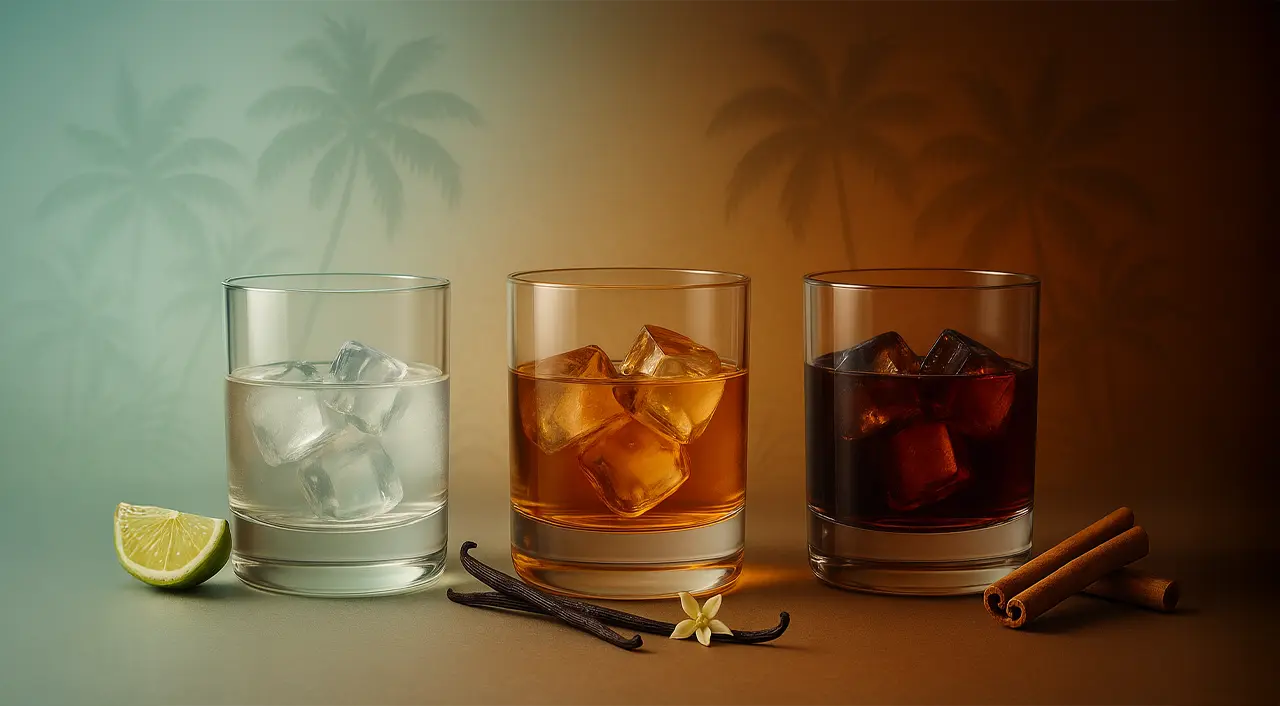
Rums fall into several main categories — like a color palette that ranges from clear and delicate white, through golden amber, to dark, rich, and spiced. Each has its own character, use, and distinct fan base. You’ll find examples of all of them at FineSpirits.pl. Choosing one feels a bit like walking into a candy store — everything’s from the same shelf, yet every flavor has its loyal followers. And of course, there’s always someone who insists, “dark rum or nothing.”
White Rum
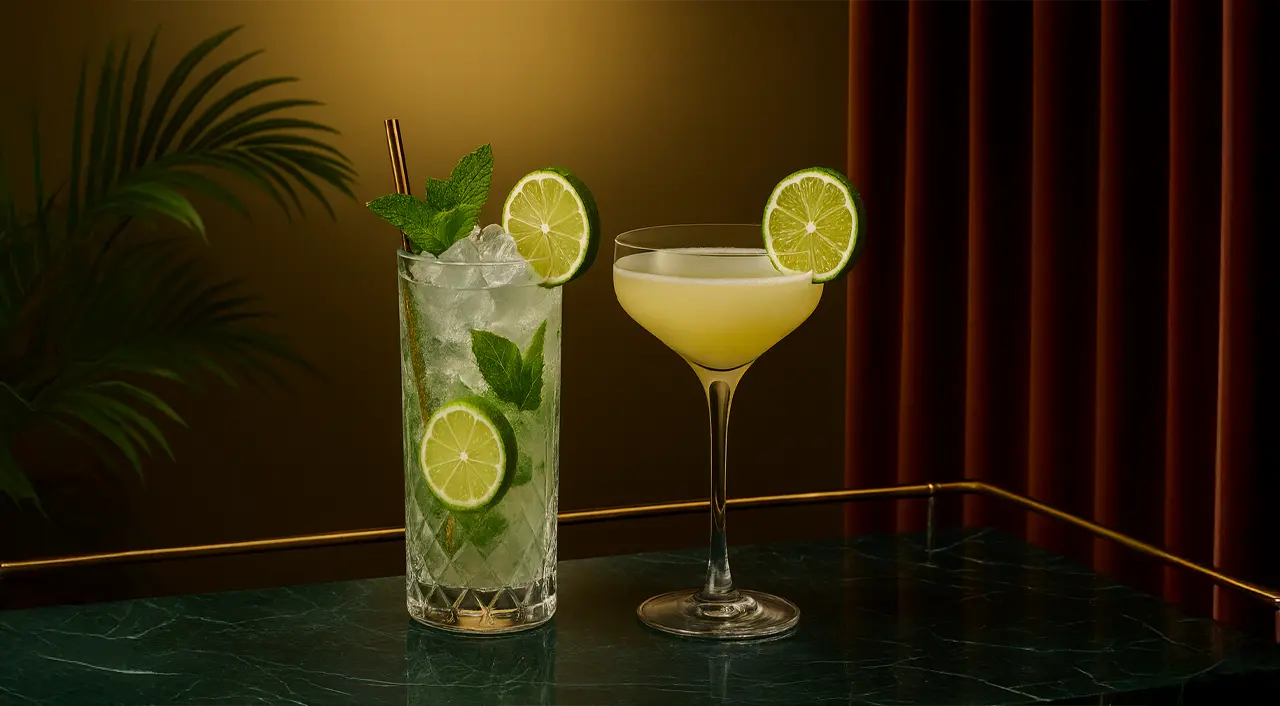
White rum is the lightest and most neutral version. It usually ages briefly — a year or two — and is then filtered through charcoal to regain its crystal-clear color. The result is gentle and slightly fruity, without the heavier barrel notes. This is the rum that most often lands in cocktails. When a bartender pours that clear spirit into your glass, chances are it’s something like Brugal Blanco Supremo — clean and crisp, with a subtle tropical touch. In drinks like Mojito or Daiquiri, you don’t need a bold profile — what matters is freshness and lightness. Let’s be honest: white rum in a cocktail is like a good wingman — it doesn’t steal the spotlight, but without it, the party wouldn’t be half as good. And once someone tries a perfectly made Mojito, they usually end up loving white rum as much as summer in Spain.
Gold Rum
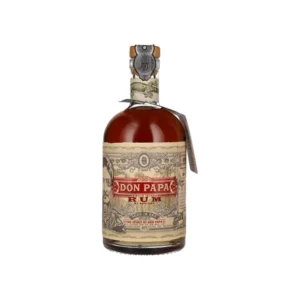
Gold rum takes things a step further. It rests in barrels, picking up both color and flavor from the wood. The result is softer, rounder, and more versatile — great for sipping neat or mixing into cocktails when you want more depth. A perfect example is Don Papa 7YO from the Philippines. It’s rich with vanilla and honey sweetness, touched by fruity notes that make it shine in both a simple Cuba Libre and a tasting glass when you want something smooth yet expressive. Gold rum is the balanced middle ground — not as light as white, not as serious as dark. Think of it as the all-rounder of the rum world: ideal for drinks, conversations, or just keeping chilled for later.
Dark Rum
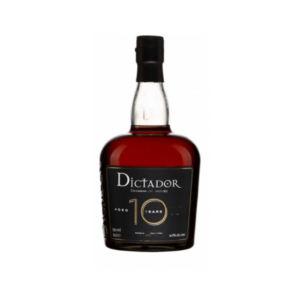
Dark rum belongs to a different league — here, barrel aging takes center stage. The longer it rests, the deeper its color and richer its flavor. Expect notes of coffee, cocoa, caramel, and warm spices. This is the choice for those who like to sip slowly and savor every nuance. A great example is Dictador 12YO from Colombia — a premium rum that’s complex, elegant, and full of molasses and caramelized fruit tones. This isn’t just cocktail material; it’s a true sipping spirit that pairs beautifully with a piece of dark chocolate. You could say dark rum is the “gentleman in a suit” — calm and dignified, but once it opens up, you feel its strong personality. These are the bottles people bring out on special occasions — the kind that make guests think, “alright, this is serious.”
Spiced Rum
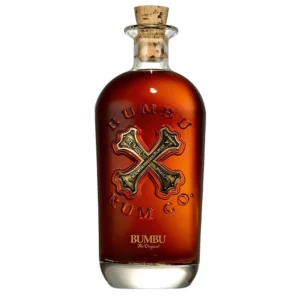
Then there’s spiced rum — infused with vanilla, cinnamon, nutmeg, and sometimes fruit. The result is fragrant, approachable, and instantly likable. Many people start their rum journey here, thanks to its sweeter profile and warm, comforting spice notes. One of the most popular examples is Bumbu Original — rich with tropical aromas, vanilla, and hints of fruit. It’s the kind of rum that practically begs to be poured and shared with friends — and trust me, it impresses even those who claim they’re “not into rum.” Spiced rum is the life of the party — aromatic, flashy, and impossible to ignore. Even skeptics end up asking, “got another pour of that?”
How to Drink Rum
There are plenty of ways to enjoy rum, and the best method depends on the occasion, company, and the type of rum you’ve got in the bottle. Rum isn’t a spirit that dictates one “proper” way to drink it — its versatility is one of its biggest strengths.
Neat
The classic approach, especially recommended for dark and gold rums. If you want to really understand what’s inside the bottle, try it neat — ideally from a tasting glass, like a snifter or tulip-shaped glass. Their design helps concentrate the aromas so you can notice how the scent of vanilla evolves into dried fruit or caramel with each swirl. It’s an experience similar to whisky tasting — every sip reveals a new layer of flavor. Dictador 12YO is a perfect example of a rum that truly shines when enjoyed on its own, no ice, no mixers.
On the Rocks
A few ice cubes can work wonders. They not only chill the drink but also help the rum “open up,” releasing new aromas. For stronger, heavier rums, ice can soften the edges and make them more approachable — a good middle ground if you want to taste the spirit without the full punch of alcohol. A gold rum like Don Papa 7YO gains pleasant smoothness with a bit of ice, while its vanilla and honey notes become even more pronounced.
In Cocktails
This is where rum reigns supreme. White and spiced rums are the stars of the bar world — without them, there’d be no Mojito, Daiquiri, Piña Colada, or Cuba Libre. A white rum like Brugal Blanco Supremo fits classic recipes perfectly — it doesn’t dominate, just adds freshness and balance. Spiced rums, like Bumbu Original, bring personality to cocktails: their bold vanilla and exotic spice notes turn even a simple rum-and-cola into something elevated. They’re a crowd-pleaser — everyone finds something to love in a well-made rum cocktail.
With Food
It’s less obvious, but rum can pair beautifully with food. Dark rums go perfectly with chocolate desserts — a piece of dark chocolate with a glass of Dictador is an unbeatable combo. Gold rums match tropical fruits like mango, pineapple, or banana. Spiced rums can even work alongside aged cheeses or grilled meats, where their sweetness and spice mingle with smoky flavors.
Most Popular Rum Brands at FineSpirits.pl
If you’re just starting your rum journey, it’s best to begin with trusted names. They’ll help you grasp the differences between styles and figure out what suits your taste. It’s like walking into an art gallery — at first it’s easy to feel lost, but once you have a few reliable reference points, everything starts making sense. There’s no need to jump straight into obscure blends; start with the classics and explore gradually. Once you find your favorite style, every new bottle becomes pure enjoyment.
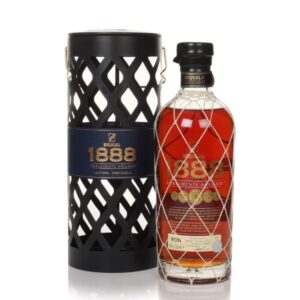
Brugal – a Dominican classic. Its Blanco Supremo is a crystal-clear rum that works perfectly in cocktails. If you’re planning to make a Mojito or a Daiquiri at home, this bottle is the ideal starting point. It also makes a great gift for someone who enjoys light, fresh flavors. Brugal is that easygoing friend at the party — never overdoes it, always sets the right mood. It gives cocktails their spark without stealing the spotlight. You can find Blanco Supremo at FineSpirits.pl and have it delivered straight to your door.
Bumbu – a spiced rum that gained huge popularity for its bold personality. The notes of vanilla, cinnamon, and exotic spices make Bumbu Original taste great even neat, served over ice. It’s often people’s “first love” in the rum world — approachable, warm, and instantly likeable. Some say Bumbu captures the spirit of the Caribbean itself: sun, warmth, and a touch of adventure. At house parties, it quickly becomes a favorite — expressive yet friendly to newcomers. You can grab a bottle of Bumbu Original right now at FineSpirits.pl.
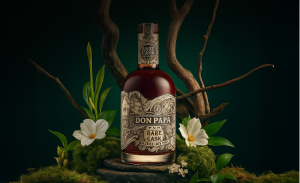
Don Papa – a gem from the Philippines. A golden rum bursting with aromas of vanilla, caramel, and tropical fruit. Sweet, smooth, and easy to love. Many start with Don Papa because it delivers both luxury and exotic flair. Whether served on the rocks, neat, or in a simple cocktail, it always impresses. It’s like a vacation in a bottle — one sip and you’re suddenly on a beach with ocean waves in the background. No surprise Don Papa is a go-to for those who want to taste the tropics without leaving home. Visit FineSpirits.pl to order your bottle and bring that island vibe straight to your glass.
Dictador – for those who appreciate depth and sophistication. This Colombian premium rum ages for years in ex-bourbon and sherry barrels, developing complexity and character that even whisky connoisseurs respect. It’s an excellent gift choice — striking in appearance and remarkable in taste. Dictador is the kind of rum you sit down with and savor, not just knock back. Serve it to guests, and it immediately becomes the star of the evening — elegance in liquid form. You’ll find the full Dictador range ready to order at FineSpirits.pl, so you can experience its refined taste from the comfort of home.
Each of these rums is waiting for you at FineSpirits.pl — click, pick your bottle, and discover that the world of rum isn’t just about cocktails. It’s a true journey through flavor and aroma. Start your adventure today.
Summary
The taste of rum can be full of surprises — one sip light and refreshing, another sweet and spiced, and the next deep and contemplative like a fine whisky. If you’re just starting out, the best approach is a small experiment: try white rum in a cocktail, gold rum neat on a quiet evening, dark rum with a piece of dark chocolate, and spiced rum when hanging out with friends. That way, you’ll quickly figure out what resonates with you — whether you’re more of a “fresh and light” type or a “dark and intense” one. The beauty of rum is that there are no wrong choices, only different moods and occasions. It’s the kind of friend that always fits the vibe — be it a lazy weekend on the balcony or a party that lasts till dawn.
At FineSpirits.pl, you’ll find rums for every occasion — from the crisp Brugal to the sweet Don Papa to the refined Dictador. No need to guess where to begin — just start with proven names. Each bottle has its own story and personality, so when you buy one, you’re really getting a ticket to another corner of the world: the Dominican Republic, the Philippines, or Colombia. It’s travel without leaving home — except your luggage is replaced by glasses. Start with the basics, play with flavors, and explore this fascinating world step by step. And when someone asks, “Why does this rum taste so good?” or “Which rum should I bring to a party?”, you’ll have the answer — and probably a grin, too — as you recommend the perfect bottle like a true connoisseur.