


































Single Malt Scotch
118 products

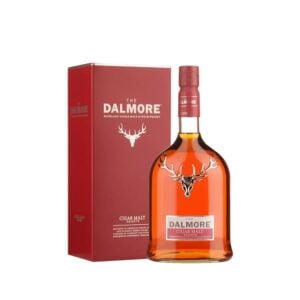
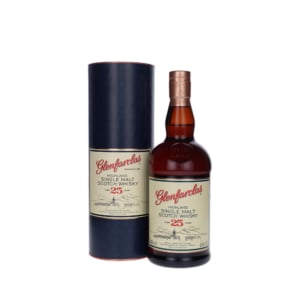
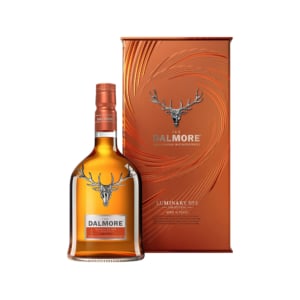
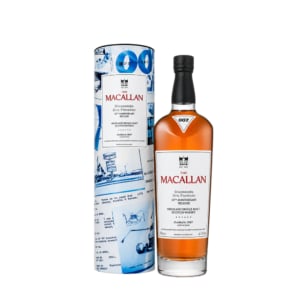
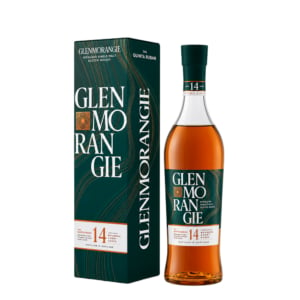
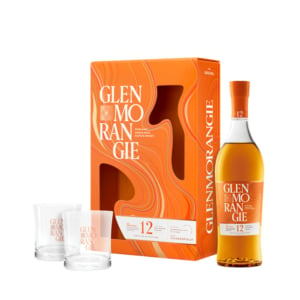
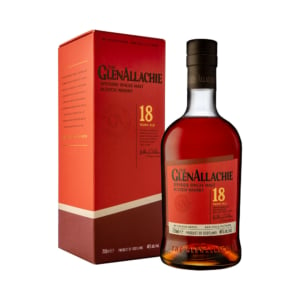
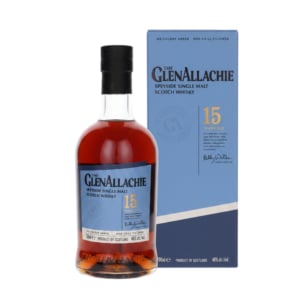
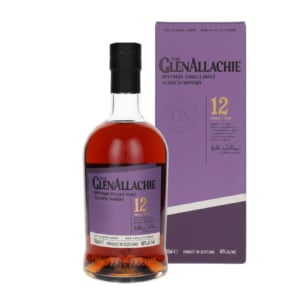
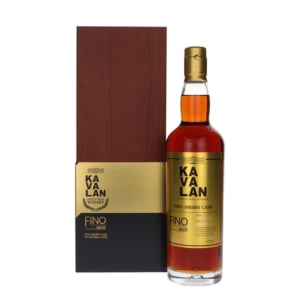
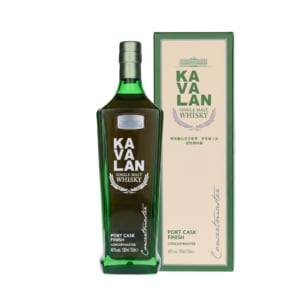
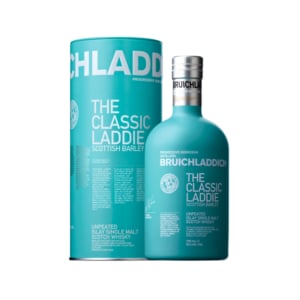
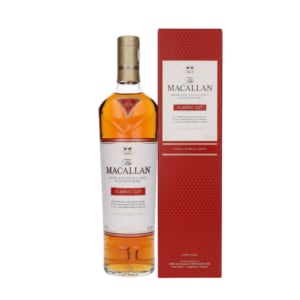
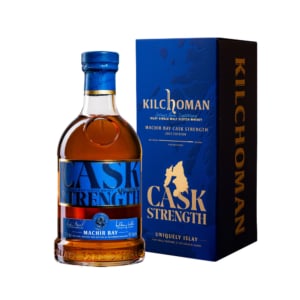
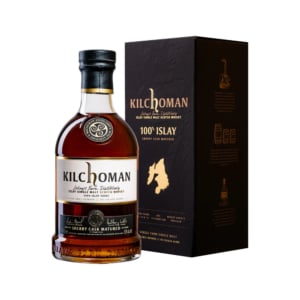
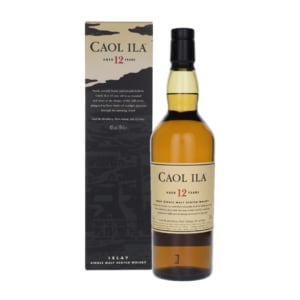
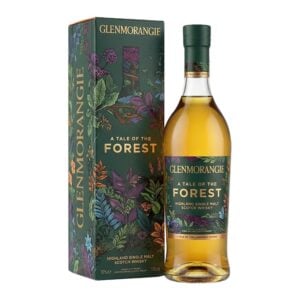
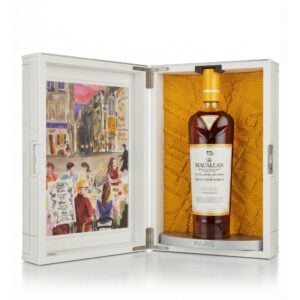
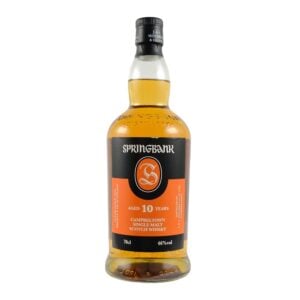
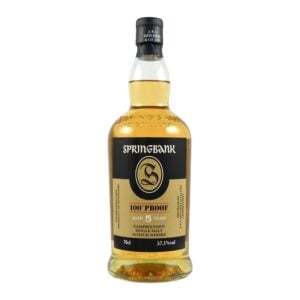
Single Malt Whisky — Discover the Noble Taste of True Scottish Tradition
The world of fine spirits is extraordinarily rich, but it is single malt whisky that commands the greatest respect among connoisseurs across the globe. For many people embarking on their journey into whisky tasting, the term may seem somewhat mysterious. Is it about prestige, about a unique production process, or perhaps about the very character of Scotland itself? The answer is: all of the above at once. Single malt is not merely a drink — it is history sealed in a glass bottle, the fruit of centuries of tradition and the extraordinary patience of master distillers.
Single Malt Whisky — What Does It Mean in Practice?
Understanding what single malt whisky is represents the first step towards becoming an informed consumer. Two aspects are key here. First, the adjective “single” means that the whisky comes from one specific distillery. It is not a blend of products from different facilities, as is the case with popular blended whiskies. Second, “malt” refers to the raw material — only malted barley is used in production, with no addition of other grains such as maize or wheat.
In practice, this means that every bottle of single malt is the calling card of a particular place. The character of the water, the shape of the stills, and the microclimate of a distillery’s warehouses have a direct influence on what we experience in the glass. It is precisely this uniqueness that makes single malt whisky so prized by those seeking authenticity. By choosing a product from a specific region, one embarks on a journey through varied landscapes — from the sea-washed shores of Islay to the heather-covered moorlands of the Highlands.
Tradition and History of Single Malt Whisky: From Monasteries to the World Stage
Scotland and whisky form what seems an inseparable combination. Although the roots of distillation reach back to antiquity, it was on the territory of present-day Scotland that the production of “the water of life” (from the Gaelic uisge beatha) reached its greatest heights. The first written records of malted barley distillation date from the late fifteenth century, and monks are considered the pioneers in this field. At that time, the spirit was treated primarily as a medicinal remedy, believed to ease ailments and prolong life.
Over the years, production moved beyond monastery walls and spread to farmsteads. For farmers, distillation was a means of making use of surplus barley after the harvest. Throughout the centuries, Scottish single malt whisky passed through turbulent periods — from the heavy taxes imposed by the British Crown, through the era of illicit distilling hidden in remote glens, to the Industrial Revolution, which enabled the spirit to be exported on a broad scale. Today, Scotch whisky is a legally protected product, and its reputation has made Single Malt Scotch a symbol of luxury and refined taste.
Single Malt — What It Is Made From and How It Is Produced
The process of creating the perfect whisky is a combination of science, craft, and the magic of time. Although the ingredients are simple — water, malted barley, and yeast — the devil is in the details. Everything begins with malting: the barley is steeped in water so that it begins to germinate. In this way, the starch contained in the grain is converted into sugars, which will later be transformed into alcohol. In some maltings, peat is used to dry the malt, giving the resulting whisky its characteristic smoky aroma.
The next stages are mashing and fermentation, which produce a liquid resembling a strong beer. It is distillation, however, that draws out the essence of the flavour. At this point, the key piece of equipment at every self-respecting distillery comes into play.
Pot Still Distillation: The Heart of Quality and the Craft of Master Distillers
Unlike mass-produced grain whisky, single malt whisky is distilled in batches in copper pot stills. These are vessels with a characteristic onion or swan-neck shape. Copper not only conducts heat but, above all, purifies the spirit of unwanted sulphur compounds.
The shape and size of the stills are crucial. Taller stills allow only the lightest fractions of alcohol to make contact with the copper, resulting in a delicate and floral spirit. Shorter, more rounded vessels produce a heavier, oilier whisky. The entire process is overseen by the Master Distiller. It is their nose and experience that determine at precisely which moment to “cut” the heart of the distillate from the foreshots and feints. It is this craft that gives Scottish single malt whisky its clean and complex aromatic profile.
Why Must Scotch Single Malt Whisky Mature for at Least Three Years?
Under British law (the Scotch Whisky Regulations), no whisky may call itself “Scotch” unless it has spent at least three years in an oak cask on Scottish soil. In the case of single malt, however, this period is typically far longer. Why does time matter so much?
The fresh distillate coming off the still is colourless and has a very sharp, almost aggressive, flavour. It is the interaction with oak wood that transforms it into a noble spirit. During maturation, three processes take place:
- Addition: The whisky draws from the wood aromas of vanilla, caramel, warming spices, and tannins.
- Subtraction: The charcoal present on the charred inner surface of the cask absorbs unwanted aromas.
- Oxidation: The slow ingress of oxygen through the pores of the wood softens the flavour and builds complexity.
Most single malts reach the market after ten, twelve, or even eighteen years. Every year in the cask means not only greater depth of flavour but also higher production costs, which directly affects the price of single malt whisky. It is during these long years that all those styles of whisky are formed that we later admire in shops — from those matured in ex-bourbon casks to those finished in casks that previously held Spanish sherry or Portuguese port.
Which Single Malt Whisky to Start With? Types and Their Unique Qualities
Choosing a first bottle can be a challenge, given how vast the range of whiskies available on the market is today. For a newcomer, the key is to understand that single malt Scotch whisky offers a spectrum of flavours found in no other spirit. One may encounter expressions that are extraordinarily light, fragrant with apple and freshly cut grass, and also powerful, smoky monsters that evoke the smell of a bonfire, tarmac, and sea salt.
If you are just beginning your journey, it is worth looking towards expressions described as “easy drinking.” These are typically editions matured in ex-bourbon casks, which lend the spirit the sweetness of vanilla and honey. Those seeking heavier, more dessert-like experiences should look for bottles carrying the words “Sherry Cask.” Such single malts age in oak that previously held fortified wine from Spain, resulting in notes of dried fruit, dark chocolate, and nuts. Understanding these distinctions allows one to navigate the retail offering with confidence and avoid disappointment at the time of purchase.
A World of Flavours: Production Regions and the Character of Scotland’s Distilleries
Where a given Scotch whisky is produced has a colossal bearing on its aromatic profile. Although the boundaries between regions are increasingly blurred thanks to experimentation by Master Distillers, the classic geographical division remains the best guide for buyers.
Speyside is the absolute heart of production. It contains the greatest concentration of distilleries. Expressions from this region are typically elegant, fruity, and sweet — an ideal choice if you are looking for a single malt Scotch whisky with an approachable, relaxing profile. The Highlands, by contrast, is an enormous and diverse region — ranging from heathery and honeyed whiskies to those with a lightly salty, coastal character.
For those seeking extreme experiences, the island of Islay awaits. This is the source of the most heavily smoked and peated expressions. When drinking a single malt Scotch from Islay, one encounters iodine, smoked fish, and a beach bonfire. It is a specific style that one either loves or cannot abide. One must not overlook the Lowlands, which offers triple-distilled whiskies of exceptional gentleness and citrus freshness, nor Campbeltown — once the whisky capital of the world, today home to just a handful of distilleries with a very distinctive, oily, and “grungy” flavour profile. Each of these regions ensures that single malt whisky never grows dull.
How to Taste Single Malts? The Art of Drawing Out the Aroma
Tasting single malt whisky is a process entirely different from drinking popular blends with ice and cola. To fully appreciate what one has paid for — and the price of single malt whisky can be considerable — the spirit must be given the right conditions. The glass is key. Forget the short, thick-bottomed tumblers. For professional tasting, one uses tulip-shaped glasses. Their bowl, narrowing towards the top, concentrates the aromas, allowing the nose to detect subtle notes hidden within the liquid.
The serving temperature should be close to room temperature. Ice drastically “shuts down” the aromas and numbs the palate, causing even the most expensive single malt Scotch to lose its character. If the alcohol strength feels too intense, a far better solution is to add a few drops of still water. Water breaks the surface tension of the liquid and helps release the fruity esters. Tasting begins with the “nose” — that is, smelling — followed by a small sip spread across the entire tongue, with the tasting concluded by assessing the so-called “finish,” the aftertaste that lingers in the mouth after swallowing. It is precisely this long, evolving finish that is the hallmark of the finest quality Scotch.
Single Malt Whisky Price — How to Choose a Bottle Within Your Budget Wisely
For many buyers, the price of single malt whisky is the deciding factor. The market offers bottles for the equivalent of £30 and others for £30,000. What determines the difference? The first factor is age. Time spent in the warehouse represents a cost for the distillery — capital is tied up and a portion of the alcohol evaporates (the so-called angel’s share). That is why the price of an 18-year-old single malt will always be several times higher than that of a 10-year-old expression.
A further aspect is rarity. Single Cask editions (from a single barrel) or Cask Strength expressions (bottled at cask strength, undiluted with water) cost more because they offer a unique, unrepeatable experience. The prestige of the distillery also plays a role — some brands have become icons of popular culture and luxury, which automatically raises their market value. It is worth bearing in mind, however, that a high price for a single malt does not always mean that the particular flavour profile will suit your personal taste. Younger, dynamic whiskies from lesser-known distilleries often offer a superb quality-to-price ratio, making them an excellent choice for everyday enjoyment.
Single Malt as an Investment and the Art of Whisky Collecting
In recent years, Scotch whisky has ceased to be regarded purely as a drink and has become a fully-fledged investment asset. The market for rare single malt editions is developing dynamically, often delivering returns that exceed those of the stock market or property. Collectors hunt above all for bottles from closed distilleries (so-called “silent distilleries”), limited editions released for festivals, and vintage expressions from the 1960s and 1970s.
Investing in single malt Scotch, however, requires knowledge and patience. The condition of the label, the fill level of the bottle, and the presence of the original packaging are all important. For many people, collecting is a passion that gradually transforms into substantial capital. Even if you have no plans to sell your collection, owning a rare bottle of Scotch in your drinks cabinet is a source of pride and an excellent conversation piece at gatherings with friends.
FAQ — Frequently Asked Questions About Single Malt Whisky
- What does it mean that a whisky is “single malt”?
The term means that the product meets two firm conditions: it is made entirely from malted barley (malt) and it comes from one specific distillery (single). Unlike popular blended whiskies, single malt is not a mixture of products from different facilities, which allows it to retain the unique character of its place of origin.
- Why is the price of single malt whisky generally higher than that of blended whisky?
The higher price of single malt whisky stems from the costly production process and the time involved. It is made from more expensive malted barley and distilled in traditional copper pot stills, in batches. In addition, a fine single malt Scotch typically matures in oak casks for far longer than the legally required three years, which entails warehousing costs and the evaporation of alcohol (the angel’s share).
- Which is the best single malt whisky to start with?
For beginners, the gentler styles from the Speyside or Lowlands regions are usually recommended. These are characterised by notes of vanilla, honey, and fruit. If you are looking for something approachable, seek out bottles matured in ex-bourbon casks — they offer balance and a sweetness that is not overwhelming in its intensity.
- Should you add ice to single malt whisky?
Connoisseurs advise against ice, since low temperatures “shut down” the aromas and numb the palate. To fully appreciate the craftsmanship embodied in a single malt whisky, it is best tasted at room temperature. If the alcohol feels too strong, add a few drops of water — this will help release the fruity esters and make it easier to detect the complex aromatic notes.
- What distinguishes Single Malt Scotch from other whisk(e)ys?
The main distinction lies in the region and the raw material. The name “Single Malt Scotch” is legally protected and may only be applied to a malt whisky produced and matured in Scotland. Although single malt whisky is also produced in Japan and Ireland, the Scottish pot still tradition and the specific microclimate of regions such as Islay and the Highlands are regarded as the benchmark of quality.
- How long can an opened bottle of Scotch be kept?
An opened bottle of quality Scotch can retain its properties for one or even two years, provided it is stored upright, away from sunlight and sources of heat. It is worth bearing in mind, however, that the less liquid remains in the bottle, the faster the process of oxidation takes place, which can gradually diminish the intensity of the aroma.
Fine Spirits — Your Single Malt Expert in Warsaw
Fine Spirits is a place born out of a passion for premium spirits, where quality always goes hand in hand with authenticity. In our range, the single malt whisky category holds a special place — we offer carefully selected bottles from the most important regions of Scotland, from the peated expressions of Islay to the fruity malts of Speyside. Whether you shop in our online store or visit our flagship salon in Warsaw, you can count on expert advice and access to unique editions not found in ordinary supermarkets. Fine Spirits is your guarantee of provenance and the highest standards of storage for every bottle.
Single Malt Whisky — Pricing and an Offer Tailored to You
Wondering how much a good Scotch costs? At Fine Spirits, we prove that high quality can be within everyone’s reach. The price of single malt whisky depends on the length of maturation and the prestige of the distillery, but our shop has put together proposals for every budget.
For those just beginning their journey with malt whisky, we offer solid expressions at accessible price points that work perfectly for everyday enjoyment or tasting with a larger group of friends. For those seeking rather more complex flavour profiles, our selection of mid-range single malts includes classics from renowned producers. Whatever your budget, at Fine Spirits Warsaw you will find the perfect bottle for you.
Summary: Why Choose Single Malt Scotch from Our Shop?
To sum up, single malt whisky is a fascinating world where science meets poetry. It is a spirit for the patient, for those who can appreciate the details and who seek something more from their drink than mere alcohol. Whether your goal is to find the perfect gift, to begin a collecting journey, or simply to unwind after a demanding day with a glass of exceptional Scotch, the single malt category always has something to offer.
In our shop, we take care to ensure that every single malt Scotch whisky in our range comes from verified sources and represents the very best its region has to offer. Keeping a close eye on the current state of the single malt market, we strive to deliver products that combine prestige with genuine tasting value. We invite you to browse our full range — from the gentle classics of Speyside to the smoky legends of the island of Islay. Discover your favourite whisky and become part of a centuries-old tradition that continues to define the very concept of luxury in the world of fine spirits. Every bottle tells a new story — it is time to begin writing your own.