


















Blended Malt Scotch
8 products
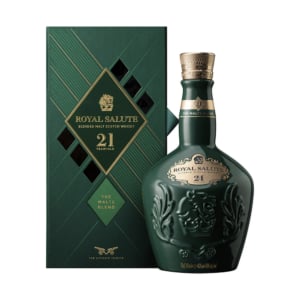
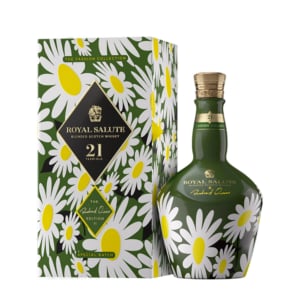
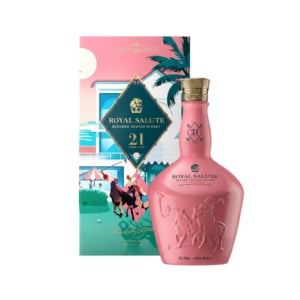
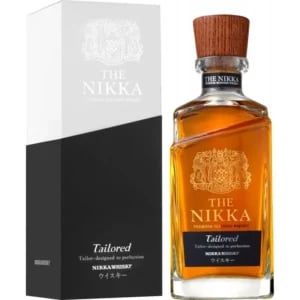
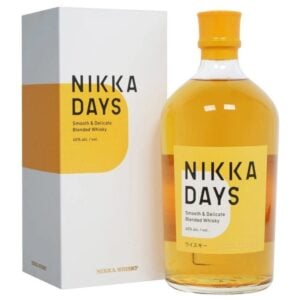
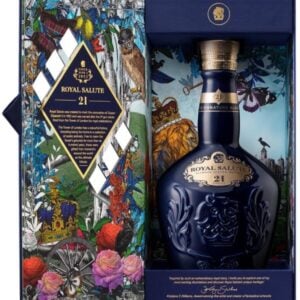
Blended Malt — Discover the Noble Face of Malt Blends
In the rich and multi-layered world of Scotch whisky, there exists a category that for years has languished in the shadow of its more famous siblings, yet for many connoisseurs represents the absolute pinnacle of the blender’s craft. That category is blended malt — a kind of bridge between the raw, uncompromising character of individual distilleries and the harmonious serenity of traditional blends. In choosing a blended malt, one opts for a product of exceptional nobility that combines the finest qualities of the single malt world with the limitless possibilities offered by the art of vatting. This is a category for those who will accept no compromise on quality, yet who seek something more in their glass than the story of a single place of production.
Blended Malt — Character and the Growing Popularity of the Premium Segment
Understanding precisely what a blended malt is requires a brief return to the roots of the terminology. For many years these spirits were known as “vatted malt” or “pure malt,” names intended to suggest their purity and their origin exclusively from malted barley. The modern term, whilst more contemporary, carries the same promise: the bottle contains a blend of two or more single malt whiskies drawn from different distilleries. The defining distinction is the complete absence of grain whisky, which forms the backbone of standard, less expensive blends. As a result, blended malt retains the intensity, oiliness, and aromatic depth that we associate with the most prized expressions from Speyside, Islay, and the Highlands.
The growing popularity of this segment is no accident. The modern consumer is increasingly informed and seeks out authentic products. Blended malt fits this trend perfectly, offering an “all-malt experience” — the sensation of pure malt, yet in a form that is considerably more accessible and multi-dimensional. Many people who previously reached exclusively for single malts discover in the blended malt category an entirely new quality. It turns out that the combination of a smoky character from one island with the fruity sweetness of another valley can produce a synergy impossible to achieve within the walls of a single distillery. It is precisely this diversity that has given the premium malt blend segment its current golden age.
Consistency and Flavour Complexity in the Blended Malt Category
One of the greatest challenges facing any distillery that produces single malt is maintaining an identical flavour from one batch to the next. The nature of oak casks is unpredictable, and each one imparts different notes. It is here that the blended malt category comes into its own, offering unrivalled consistency. A Master Blender, working with a palette of malts from different distilleries, is able to compose a profile that remains stable year after year. For the customer, this means the certainty that their favourite blended malt will always deliver the same high-quality experience they expect with every purchase.
Consistency, however, is only one side of the coin. The other is extraordinary complexity. In the process of creating a blended malt, the vatting artist can juggle aromas in ways unavailable to a single-distillery producer. They can add a measure of peated malt to give the composition its “spine,” then smooth the whole with a sweet, honeyed whisky matured in sherry casks. The result is a blended malt that is a complete product — one in which every element has its place, the flavours do not compete but complement one another, and the finish is long and evolving. It is precisely this depth that makes tasting a blended malt a process that, each time, allows one to discover something new.
Blended Malt Scotch Whisky — How Does It Differ from Standard Blended Whisky?
Many novice enthusiasts make the mistake of equating the blended malt category with ordinary Blended Scotch. The difference, however, is fundamental and concerns the very structure of the spirit. Standard blended whisky is a product in which the dominant component — often accounting for sixty to eighty per cent of the volume — is grain whisky, produced industrially in column stills. It has a lighter, more neutral character and serves primarily as a base to which a smaller proportion of malt whisky is added. With blended malt, the situation is entirely different: there is no place here for lighter “fillers.”
When you choose a blended malt, you receive a product consisting of one hundred per cent malt whisky, distilled in traditional copper pot stills. This translates directly into the tasting experience. Blended malt has considerably greater “weight” on the palate — it is denser, oilier, and richer in fruity esters and phenols. It is a spirit of significantly higher flavour concentration. One might say that where a standard blend is a chamber orchestra, a blended malt is a full symphony orchestra, offering a broader range of tones and a considerably more powerful impact of aromas. Understanding this difference is the key to appreciating why the blended malt category commands such prestige among experts.
Blended Malt as the Ideal Gift for the True Connoisseur
When faced with choosing a gift for someone who appreciates fine spirits, we often feel the pressure to select the perfect single malt. The problem is that the profile of a particular distillery can be very specific and may not always suit the recipient’s taste. This is where the blended malt category reveals itself as a brilliant choice. Thanks to its balanced character, these spirits are typically designed to showcase the very best of what whisky has to offer, eliminating the extremes that might put some people off. To present someone with a bottle of blended malt is a signal that you know your subject and are seeking something more for them than just a familiar label.
The prestige conveyed by the words “blended malt” on a bottle is beyond question. It suggests that the recipient will receive a luxury product created from carefully selected malts. What is more, many brands in the blended malt segment boast beautiful graphic presentations and fascinating stories, which make the very act of unwrapping the gift an event in itself. It is a safe choice that combines exclusivity with high drinkability. Whether the recipient is just beginning their whisky journey or is already a seasoned expert, a fine blended malt will always be received with enthusiasm and respect.
Choosing the Right Glass for Tasting Blended Malt
The choice of the right vessel for tasting blended malt is not merely a matter of aesthetics, but above all of the physics and chemistry of aromas. A commonly committed error, perpetuated by popular culture, is the serving of high-quality malts in tumbler glasses — low, wide-rimmed vessels with thick bases. Although these work excellently for simple ice-based drinks, in the case of a complex blended malt they represent the single greatest obstacle to the full discovery of its bouquet. The wide opening of such a glass allows the most delicate aromas to dissipate too quickly, preventing the taster’s nose from detecting the nuances that the Master Blender so carefully sealed inside the bottle.
For anyone who truly wishes to experience the soul of a blended malt, the only correct choice is a tulip-shaped tasting glass. Its distinctive construction — a broad bowl at the base narrowing towards a constricted neck — allows the alcohol vapours and aromas to concentrate. As a result, when the nose approaches the rim, the full spectrum can be perceived: from heavy, earthy notes through fruit to the volatile floral tones above. In such a glass, a blended malt is given room to “breathe.” Moreover, holding the glass by its stem prevents the hand from warming the liquid, allowing the ideal serving temperature to be maintained. A fine blended malt is a handcrafted product, and the right glass is the instrument that allows that craftsmanship to be appreciated in every millilitre.
Blended Malt Prices — A Guide to Costs and the Value of the Investment
Analysing the market from an economic perspective, many customers wonder why the price of a blended malt is typically higher than that of standard blends, while often being lower than that of rare single malt editions. The answer lies in the raw materials and the selection process. A composition that is one hundred per cent malt means the producer uses only the most expensive components. There is no room for less costly grain whisky, which automatically raises the base value of the product. Yet it is precisely this blended malt pricing that translates into a significantly higher quality of experience.
In investing in a blended malt, one is paying for the work of a Master Blender who has had to source casks from various distilleries — often those that sell their own whisky at considerable prices. When buying a blended malt, one receives in effect a “mixture of luxury” at a price that is extraordinarily competitive. It is frequently possible to acquire a blended malt composed of distillates that, as separate single malt bottles, would cost many times more in total. This is why the category is considered one of the most rewarding for the informed consumer: premium quality is obtained without the need to pay what amounts to a brand tax on a particular fashionable distillery.
How to Read Labels and What to Look for When Buying Blended Malt
When shopping, it is worth paying attention to several details that determine the value of a blended malt. The first is the age statement. If the bottle carries a number — 12 or 15 years, for example — this means that the youngest malt used in the blend has spent at least that long in a cask. Many outstanding blended malts, however, carry no age statement (NAS — No Age Statement). In these cases, the producer is focusing on the flavour profile, combining younger, more vibrant whiskies with older, more settled distillates.
A further aspect to consider is information about chill filtration and caramel colouring. The blended malts most prized by connoisseurs are those that retain their natural colour and are not chill-filtered. Such whisky retains its natural oils and esters, which translates into a denser texture and a richer flavour. When choosing a blended malt, it is also worth checking which regions the malts come from. A blend of Islay malts will always be smoky and medicinal, whilst a blended malt based on Speyside malts will entice with notes of apple, honey, and flowers. This knowledge enables one to match a purchase precisely to one’s own preferences.
FAQ — Frequently Asked Questions About Blended Malt
In this section we have gathered answers to the most commonly asked questions about this noble category.
Does Blended Malt contain grain whisky?
No. This is the most frequent misunderstanding. Blended malt consists exclusively of malt whiskies from at least two different distilleries. It contains none of the lighter, less expensive grain whisky that distinguishes it from standard blends.
How does Blended Malt differ from the former term Pure Malt?
In practice, not at all. The terms Pure Malt and Vatted Malt were used historically. In 2009 the Scotch Whisky Association standardised the terminology, introducing the term blended malt to avoid consumer confusion. If you come across a bottle labelled Pure Malt, it is most likely an older expression or a product from a non-European market, but the category is one and the same.
Which Blended Malt brands are the most well known?
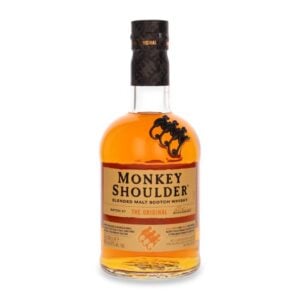
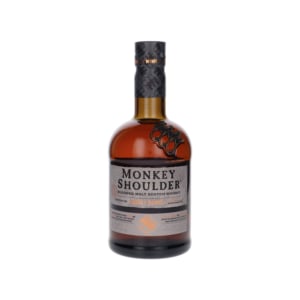
Among the most recognisable representatives of this category are Monkey Shoulder (an ideal starting point), Johnnie Walker Green Label (a genre classic), and the craft series from independent bottlers such as Big Peat and Scallywag. Each presents a different face of blended malt.
Is Blended Malt suitable for cocktails?
Absolutely — though given the intensity of its aroma, it is at its best in drinks where whisky takes centre stage, such as a Penicillin or an Old Fashioned. Thanks to its complexity, blended malt lends cocktails a depth that cannot be achieved with a standard blended whisky.
How long can an opened bottle of Blended Malt be stored?
The high alcohol content of blended malt protects the product from spoiling. After opening, the whisky can stand on a shelf for several years. It is worth bearing in mind, however, that a large amount of air in the bottle accelerates oxidation, which after a year or two may subtly alter the flavour profile — the whisky typically becomes a little gentler and loses some intensity of smoke.
Why can the price of a Blended Malt sometimes exceed that of a Single Malt?
This occurs when the blend contains malts from legendary, closed distilleries (so-called ghost distilleries). In such cases, the blended malt becomes a collectors’ product whose value derives from the uniqueness of the components used — components that can never be replicated.
Discover the Depth of Flavour with Fine Spirits
At Fine Spirits we are committed to spirits with soul, and the blended malt category is the finest example of this philosophy. Combining the best qualities of multiple single malts, these spirits offer extraordinary complexity and harmony that is difficult to find in any other style of whisky. If you are interested in the highest-quality blended malt in Warsaw, our shop offers a wide selection of these unique compositions. Fine Spirits is a place where every enthusiast will find a bottle perfectly matched to their flavour profile, from fruity notes to deeply peated.
Blended Malt — Prices and a Range Tailored to Your Budget
Wondering how pricing in the blended malt category looks in practice? In our range we prove that the luxury of pure malt need not be out of reach. Our blended malt shop has prepared proposals to satisfy both the newcomer taster and the experienced connoisseur:
- Looking for an excellent introduction to the world of malt blends? Browse our entry-level blended malt selection — expressions of clean, well-defined flavour at accessible prices.
- In need of a bottle with greater complexity, or looking for a gift? Our mid-range blended malt proposals are carefully selected spirits from acclaimed distilleries that captivate with their rich aromas.
Summary: Why Blended Malt Is the Future of the Whisky World
To sum up, the blended malt category is a proposition for those who prize smart purchasing and are unafraid to explore new paths. These are spirits that take everything that is finest in the single malt tradition and raise it to a new power through the talent of the Master Blender. By choosing a blended malt, you are placing your trust in a product that is authentic, rich, and multi-dimensional. In a world where the prices of individual single malts are rising at a dizzying pace, it is malt blends that offer the finest insight into the soul of the Scottish craft.
We encourage you to explore this category in our shop. Every bottle of blended malt is a new story, a new combination of regions, and an unforgettable tasting experience. Whether you are searching for a gift or wish to treat yourself, blended malt is a choice that always justifies itself through quality. Discover for yourself how the harmonious power of Scottish malts tastes, and join the growing community of devotees of this exceptional and refined category. Your journey through the world of the finest malts begins here — with the choice of a blended malt that will change the way you look at Scotch whisky.