





































Clear Vodka
10 products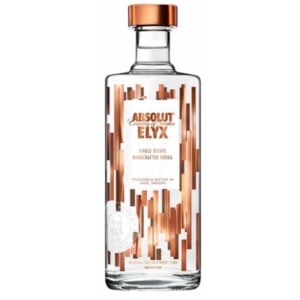
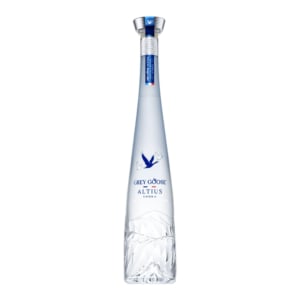
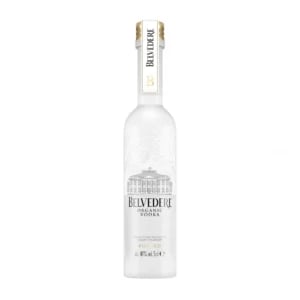
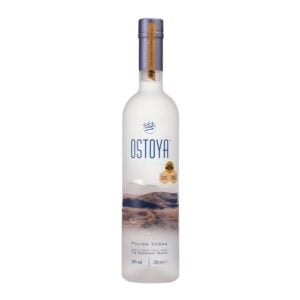
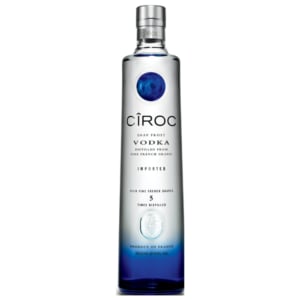
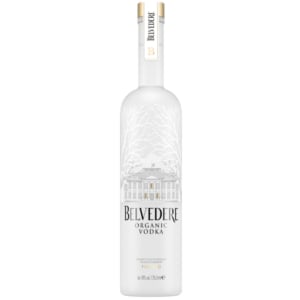
Pure Vodka — The Foundation of the Vodka World
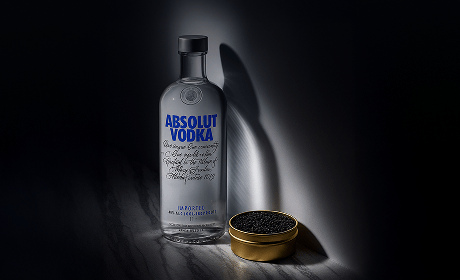
Pure vodka is the most classic and recognizable category in the entire world of spirits. Clear as a mountain stream, neutral in profile yet full of subtle character, it has for centuries been the foundation of Polish drinking culture and one of the most universal alcohols on the planet. Whether served chilled at a wedding toast, mixed into a sophisticated martini, or savored slowly with a plate of herring and pickles, pure vodka holds a special place that no other spirit can replace.
For many consumers, pure vodka may seem deceptively simple — after all, it is "just" a clear liquid with no obvious aromatic additives. In reality, however, this category contains enormous diversity in quality, character, and craftsmanship. The difference between a basic supermarket bottle and a true premium pure vodka can be as great as the difference between table wine and a grand cru. In this article, we will help you understand what plain vodka really is, what to look for when choosing it, and how to fully appreciate it.
What Is Pure Vodka?
Pure vodka, also known as clear vodka or white vodka, is a category of distillate produced without the addition of flavorings, sugars, colorings, or any other ingredients beyond water and the original distillate. Its essence is purity — both visual and aromatic. A good pure vodka should be crystal clear, free of cloudiness or sediment, and have a neutral profile in which the only detectable notes are the subtle character of the raw material and a clean, smooth alcohol presence.
According to Polish and EU regulations, pure vodka must meet strict technological criteria. The base distillate must reach a high purity level through multiple distillations, and any flavor influence must come exclusively from the raw material (grain or potatoes) and the water used for dilution. This is precisely what distinguishes pure vodka from flavored varieties — there is nowhere to hide imperfections. Any flaw in production becomes immediately apparent on the palate.
The standard strength of pure vodka is 37.5–40% alcohol, although you can find both stronger versions (up to 50% and above, often labeled "Export Strength") and slightly weaker editions. The classic 40% has been considered optimal since the 19th century, when the Russian scientist Dmitri Mendeleev determined that this concentration provides the best balance between flavor, smoothness, and drinking experience.
A Brief History of Pure Vodka
The history of pure vodka is inseparable from the history of Poland and Russia. The first written mention of the word "wódka" in the Polish language dates back to 1405, although at that time the term referred to a small amount of water (a diminutive of "woda"). With time, the name began to describe a clear distillate that was initially used as a medicine and disinfectant.
In the 16th and 17th centuries, pure vodka began to appear at noble tables across the Polish-Lithuanian Commonwealth. Every estate had its own distillery, and recipes for the perfect clear vodka were closely guarded family secrets. The 19th century brought industrialization to vodka production, including the introduction of column distillation, which allowed for the creation of significantly purer distillates than the traditional pot still method.
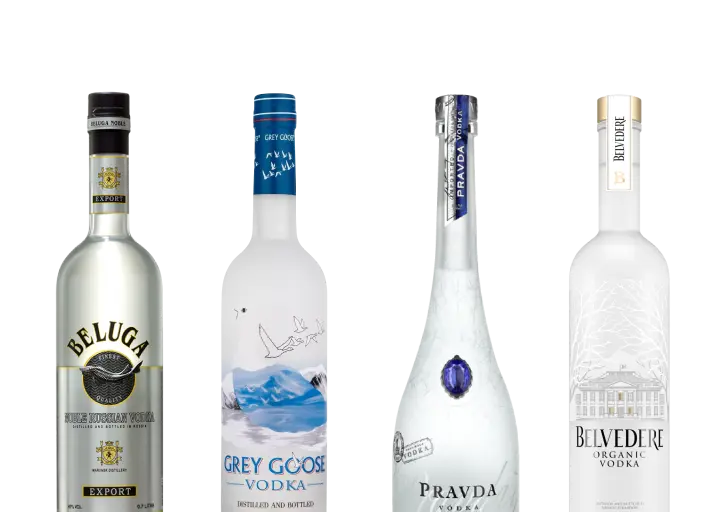
The 20th century made pure vodka a global phenomenon. Polish brands such as Wyborowa (founded in 1823) and Russian brands such as Smirnoff conquered international markets. The 1990s and 2000s brought the era of premium vodkas — Belvedere, Grey Goose, Chopin, and others showed the world that pure vodka could be a luxury product worth as much as the best whiskies or cognacs.
Types of Pure Vodka by Raw Material
Although all pure vodkas are visually similar, the raw material from which they are produced significantly influences their final character. Knowing these differences helps consciously choose a bottle that matches individual taste.
Rye Pure Vodka
Rye is the traditional Polish raw material and gives pure vodkas a fuller, spicier, more "bready" character. You can detect a subtle peppery note, light spice, and a long, slightly dry finish. Classic rye vodkas include Belvedere, Wyborowa, Sobieski, and Chopin Rye. For many connoisseurs, this is the most authentic and characterful form of pure vodka — a real expression of Polish distilling tradition.
Wheat Pure Vodka
Wheat is the most popular raw material in Western Europe and gives pure vodkas a milder, creamier, slightly sweet character. The profile is softer than rye, with subtle vanilla and bread notes. Grey Goose, Absolut, Stolichnaya, and Ketel One are classics of this category. Wheat vodkas are often recommended to those starting their adventure with premium pure vodka — their gentleness makes them very approachable.
Potato Pure Vodka
Potato is a raw material with a rich Polish tradition. Pure potato vodkas are smooth, full, with a characteristic subtle buttery note and creamy texture. Chopin Potato and Luksusowa are flagship Polish potato vodkas. This category is appreciated by connoisseurs looking for a unique, distinctive character that cannot be reproduced from any other raw material.
Multi-Grain Pure Vodka
Some producers combine various grains in one recipe, creating multi-grain pure vodkas. The goal is to achieve balance and harmony — the spiciness of rye, the sweetness of wheat, the mildness of barley. Russian Standard, Finlandia, and Tito's are examples of vodkas with complex grain compositions.
How Pure Vodka Is Made
The pure vodka production process is technologically the most demanding among all vodka categories. Every stage must be carried out with the utmost care, as there are no flavorings to mask any imperfections.
Fermentation — the raw material (grain or potatoes) is processed into a mash that ferments with the help of yeast, producing alcohol with a strength of 8–12%.
Distillation — the key stage that determines the purity of the final product. Pure vodka usually undergoes multiple distillations — three, five, seven, or even ten times — in distillation columns or classic pot stills. Each distillation removes more impurities and increases purity.
Filtration — after distillation, the high-strength spirit (usually 95–96%) is passed through filtration media. Activated charcoal is the most common, but premium brands use exotic solutions: silver, platinum, diamond dust, quartz, coconut charcoal.
Dilution — the high-strength distillate is diluted with high-quality water to the target strength (most often 40%). The quality of the water is crucial — premium brands use water from artesian wells, mountain springs, or even glacier sources.
Resting — some premium pure vodkas rest before bottling, allowing the alcohol and water to fully integrate and the flavor profile to round out.
How to Recognize the Best Pure Vodka
Choosing a good pure vodka requires attention to several key elements. Here is what to look for when shopping.
Visual purity — hold the bottle up to the light. Good pure vodka should be crystal clear, without any cloudiness, sediment, or color tint. Any visual imperfection signals quality issues.
Smoothness on the palate — take a small sip at room temperature. A quality pure vodka may have an alcoholic presence, but it should not burn or scratch the throat. The texture should be silky, almost oily — this is a sign of high-quality distillate.
Aroma — gently sniff the vodka from a tulip glass. Good pure vodka has a clean, subtle aroma in which you can detect notes of the raw material (bread, grain, potato), light alcohol, and possibly a delicate sweetness or minerality from the water. Sharp, acetone, or chemical notes are warning signs.
Finish — after swallowing, a quality pure vodka leaves a clean, pleasant aftertaste lasting a few to several seconds. A short, harsh, or unpleasant finish indicates lower quality.
Label information — pay attention to the raw material, number of distillations, filtration method, country of origin, and quality markings ("Polska Wódka," "Premium," "Single Estate," "Triple Distilled").
The Art of Tasting Pure Vodka
Although pure vodka is most often associated with quick toasts, it deserves conscious tasting just as much as whisky or cognac. Here are a few rules that help fully appreciate the quality of a good bottle.
Temperature — there are two schools of thought. The traditional Polish approach calls for serving pure vodka well chilled (0–8°C), which dampens alcohol notes and brings out smoothness. The modern connoisseur approach suggests tasting premium pure vodkas at room temperature or only slightly chilled (12–15°C), which allows the full character and complexity of the raw material to emerge.
Glass — for toasts, the classic shot glass (50 ml) works well. For tasting, a tulip-shaped glass is better, concentrating aromas and allowing fuller appreciation of the bouquet. Avoid wide tumblers — they let too many aromas escape.
Pace — a quality pure vodka is worth tasting in small sips, allowing it to spread across the entire tongue. Identify the flavors — sweet, dry, spicy, mineral. Pay attention to how the impressions change from the first contact, through swallowing, to the finish.
Pairing — the Polish tradition of pairing pure vodka with food is not just custom but a way to enhance the experience. Herring in oil, pickled cucumber, steak tartare, caviar, smoked salmon, lard with bread — these are classic pairings that work exceptionally well. Salty, fatty, marinated flavors beautifully complement the cleanness of pure vodka.
Pure Vodka in Cocktails
Although pure vodka shines on its own, it is also the foundation of many classic cocktails. Its flavor neutrality makes it an ideal base — it does not dominate other ingredients but allows them to fully express themselves.
Vodka Martini — the classic of classics. Pure vodka, a hint of dry vermouth, olive or lemon twist. James Bond made this drink legendary, although his "shaken, not stirred" remains a matter of preference. For a good Vodka Martini, the quality of the pure vodka really matters.
Moscow Mule — pure vodka, ginger beer, lime juice, served in a copper mug. A refreshing, slightly spicy cocktail that has won the hearts of bartenders worldwide.
Bloody Mary — pure vodka, tomato juice, Worcestershire sauce, Tabasco, spices. The classic brunch cocktail in which the vodka subtly supports the rich flavor of the tomato base.
Espresso Martini — pure vodka, fresh espresso, coffee liqueur, sugar syrup. A modern classic that combines the energy of coffee with the elegance of vodka.
Cosmopolitan — pure vodka, triple sec, cranberry juice, lime juice. A pink classic that became iconic thanks to Sex and the City.
For cocktails, classic clear vodkas with a neutral profile work best. Premium vodkas in cocktails may be overkill, as their subtle notes are often lost under a layer of other ingredients. Reserve your finest bottles for sipping neat.
Pure Vodka as a Gift
Pure vodka is an excellent gift — both in a business and private context. Elegant packaging, a recognizable brand, and a premium character make a bottle of good pure vodka a gesture that says more than a thousand words. Polish gift-giving culture has for centuries recognized vodka as one of the most appropriate gifts for important occasions.
When choosing a bottle as a gift, it is worth being guided by the recipient's taste. For traditionalists, a Polish rye vodka — Belvedere, Wyborowa Exquisite, Chopin Rye — will be ideal. For lovers of modern luxury, premium international editions work well — Grey Goose, Crystal Head, Beluga Gold Line. For collectors and connoisseurs, special editions in stylish bottles, wooden cases, or limited editions are the perfect choice.
Packaging matters — many premium pure vodkas are sold in elegant boxes, wooden cases, or distinctive decanter bottles. This is an element that elevates the rank of the gift. Professional gift wrapping and a personalized card make the final impression.
Common Mistakes When Buying Pure Vodka
Choosing only by price — the cheapest pure vodka may be drinkable, but the difference between a basic and a premium bottle is often surprising. It is worth paying a few dozen zlotys more for significantly higher quality.
Ignoring the raw material — rye, wheat, and potato vodkas have completely different characters. Buying without knowing the raw material can result in disappointment.
Buying based on advertising alone — heavily promoted brands are not always the best. The market hides many less well-known but excellent positions that offer outstanding value for money.
Overlooking Polish brands — Polish pure vodka is among the best in the world. It would be a shame not to take advantage of this heritage when shopping for a high-quality bottle.
Not seeking advice — a salesperson in a specialty shop can in a few minutes help choose the perfect bottle tailored to taste and occasion.
Pure Vodka Price — Overview of Price Ranges
Pure vodka prices in Poland depend on the brand, raw material, production method, and packaging. Here is an orientational overview of price ranges available in Polish shops.
Pure vodka up to 40 PLN — the basic segment, in which you find well-known Polish classics — Wyborowa, Żubrówka Biała, Soplica Czysta, Krupnik Czysta. These are utility vodkas, good for everyday toasts and cocktails. Solid quality at an accessible price.
Pure vodka up to 80 PLN — the middle shelf offers significantly more. Sobieski Estate, Chopin Vodka, Finlandia, Russian Standard — these are pure vodkas with a clearly higher quality of distillation and filtration. An ideal range for everyday consumption by demanding connoisseurs.
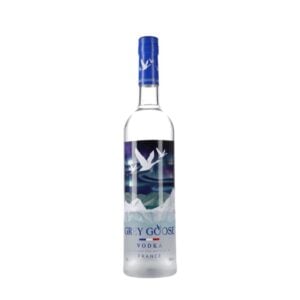
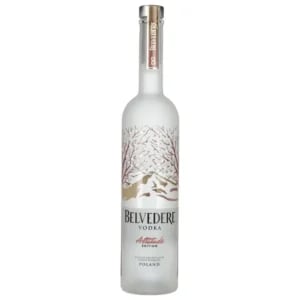
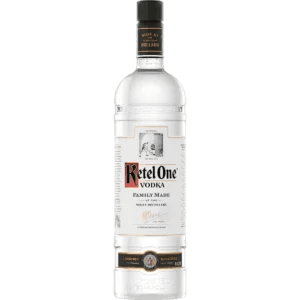
Pure vodka up to 150 PLN — the premium segment, where the world of luxury editions begins. Belvedere, Grey Goose, Absolut Elyx, Stolichnaya Elit, Ketel One — international classics of premium pure vodka. Worth choosing for important occasions and gifts.
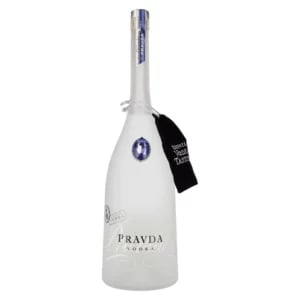
Pure vodka over 150 PLN — the super-premium and collector's editions segment. Belvedere Heritage 176, Crystal Head Aurora, Beluga Gold Line, Chopin Family Reserve, Russian Standard Imperia — bottles that combine exceptional quality with prestigious packaging. An investment in an extraordinary tasting experience.
Fine Spirits — Pure Vodka in Warsaw at Its Best
Fine Spirits is a shop that has for years held a special place on the Warsaw map of premium alcohol lovers. A location in the heart of the capital, expert advice, a rich assortment of pure vodkas, and a convenient online shop — these are the strengths thanks to which customers return and recommend the shop further. Pure vodka in Warsaw finds in Fine Spirits its natural home — from classic Polish brands for those who value tradition, to luxurious international editions for the most demanding connoisseurs.
The Fine Spirits assortment includes dozens of pure vodka positions — Polish rye and potato classics, international premium icons, craft limited editions. Every bottle comes from a legal, verified source, and constant cooperation with importers and directly with distilleries gives customers certainty of authenticity and proper storage conditions.
Experienced Fine Spirits advisors are true enthusiasts who continuously expand their knowledge through tastings, training, and direct contacts with producers. Every customer — regardless of level of experience — can count on honest, tailored advice. Fine Spirits is a place where buying pure vodka becomes a pleasure, not just a transaction. Whether you are looking for your first bottle of premium pure vodka, a gift for an important occasion, or a collector's gem — Fine Spirits welcomes you both to its stationary salon in central Warsaw and to its online shop available at any time.
FAQ — Frequently Asked Questions About Pure Vodka
What is the difference between pure vodka and flavored vodka?
Pure vodka contains no flavoring additives, sugars, or colorings — only distillate and water. Flavored vodka is enriched with the flavor of fruits, herbs, spices, or other ingredients. Pure vodka is a more "naked" category, in which the quality of distillation and raw material is fully revealed. It is the foundation from which the entire vodka world begins.
Which raw material makes the best pure vodka?
There is no clear answer — it is a matter of preference. Rye gives a fuller, spicier character; wheat is milder and creamier; potato — smooth, with a subtle buttery note. The best pure vodka is the one that suits your taste. It is worth trying different raw materials to find your favorite profile.
Should pure vodka be served chilled?
Traditionally, yes — classic pure vodka tastes best chilled to 0–8°C. Low temperature dampens alcohol notes and brings out smoothness. However, some connoisseurs taste premium pure vodkas at room temperature to fully appreciate their character. The choice depends on the quality of the bottle and individual preference.
How long can an opened bottle of pure vodka be stored?
Pure vodka practically does not age in the bottle. An opened bottle can be stored for years, provided it is well corked and kept in a cool, dark place. Unlike wine or whisky, pure vodka does not lose its character over time. However, very long storage of an opened bottle (5+ years) may result in slight evaporation of alcohol.
Is pure vodka stronger than flavored vodka?
Not necessarily — both categories are usually bottled at 37.5–40% alcohol. Differences result from specific brand decisions, not the category itself. Some flavored vodkas are slightly weaker (35–37%) due to additional flavor ingredients, but this is not a rule.
Why are some pure vodkas so expensive?
Premium pure vodka prices reflect several factors: the quality of the raw material (selected grain or potatoes from a single farm), the number of distillations (sometimes seven or more), exotic filtration methods (diamonds, silver, coconut), the quality of the water (artesian or glacier sources), packaging (designer bottles, wooden cases), and the brand's prestige. The difference between a basic and a premium bottle is genuine — both in production cost and in tasting experience.
Is pure vodka good for cocktails?
Yes — pure vodka is the ideal base for cocktails thanks to its flavor neutrality. It does not dominate other ingredients but allows them to fully express themselves. For everyday cocktails, classic clear vodkas (Wyborowa, Absolut, Smirnoff) work great. Premium vodkas are worth reserving for sipping neat, where their subtle character can be fully appreciated.
What distinguishes Polish pure vodka from foreign ones?
Polish pure vodka has the protected geographical indication "Polska Wódka," which guarantees production in Poland from Polish raw materials according to traditional methods. Polish vodkas are also known for their characteristic, fuller character — especially rye and potato editions, which have no real equivalents in other countries. This is a centuries-old tradition that continues to set global standards.
Can pure vodka be drunk with food?
Absolutely — and this is a deep Polish tradition. Pure vodka beautifully pairs with salty, fatty, marinated flavors: herring, steak tartare, caviar, smoked fish, pickled cucumber, lard with bread. The cleanness of pure vodka rinses the palate and prepares it for the next bite, creating a unique drinking and eating experience.
Summary
Pure vodka is the foundation of the entire vodka world — clear, neutral, and yet full of subtle character that becomes apparent with conscious tasting. From classic Polish rye and potato editions, through international premium icons, to luxurious super-premium bottles — this category offers astonishing diversity for those willing to look closer.
Whether you are looking for an everyday bottle for relaxation, a sophisticated cocktail base, or a prestigious gift, pure vodka is a category that always has something to offer. Each bottle tells the story of a distillery, a raw material, a place, and a tradition. Let every sip be a celebration of taste, history, and craftsmanship. And if you are looking for the best place to choose from — Fine Spirits in Warsaw welcomes you to its stationary shop and online.
Cheers!