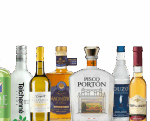










































Vodka
56 products
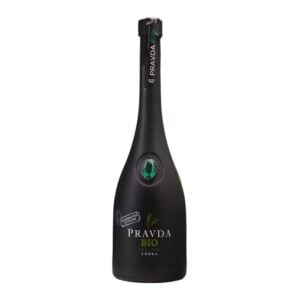 -13,50 zł
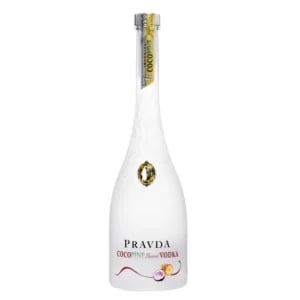
 -19,00 zł
 -5,00 zł
 -14,00 zł
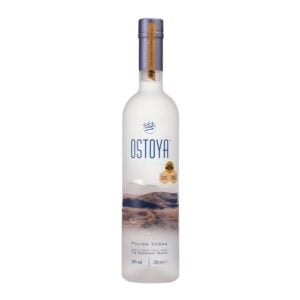
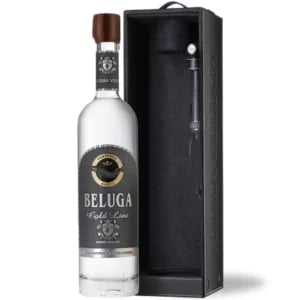
 -12,20 zł

 -2,20 zł
Vodka - A National Treasure with Global Acclaim
Vodka is undoubtedly the most important spirit in Polish culture and simultaneously one of the most popular distillates in the world. While many people associate it primarily with toasts at family gatherings, it is in fact a beverage with an extraordinarily rich history, a fascinating production process, and an enormous variety of styles and flavors. From crystal-clear pure vodkas, through flavored infusions, to luxurious premium editions aged in oak barrels - the world of vodka offers something for every connoisseur.
In this article, we will comprehensively cover everything worth knowing about vodka. We will explain what this spirit really is, trace its history, describe the production process, present types and styles, and advise on how to taste it and how to choose the perfect bottle. The Fine Spirits store in Warsaw has for years been serving Warsaw connoisseurs seeking the best vodka - both Polish classics and international novelties.
What Exactly Is Vodka?
Vodka is a strong alcoholic beverage obtained through the distillation of fermented starchy or sugary raw materials. The classic definition of vodka rests on its flavor neutrality - unlike whisky, rum, or cognac, a good vodka should above all be clean, clear, and free of dominant foreign aromas. This does not, however, mean a lack of character - the best vodka has its own unique profile, in which one can detect subtle notes of the raw material from which it was made.
The standard strength of vodka is 37.5–40% alcohol, although stronger versions exist (up to 50% and more) as well as weaker, flavored ones. According to Polish and EU regulations, genuine vodka must meet specific technological requirements - particularly multiple distillation and careful filtration, most often through activated charcoal. Polish Vodka, as a product with a protected geographical indication, is subject to even stricter requirements regarding raw materials and place of production.
The History of Vodka - Polish Roots of a Global Spirit
The history of vodka reaches back to the Middle Ages, though the exact date of its birth remains a matter of dispute between Poland and Russia. The first written mentions of alcohol distillation on Polish lands come from the 15th century - in 1405, court records in Sandomierz feature the word "wódka," originally meaning a small amount of water (a diminutive of "woda"). Over time, the name began to refer to the distillate, which was treated primarily as a medicine and disinfectant.
In the 16th and 17th centuries, vodka production in Poland flourished - nearly every noble estate had its own distillery, and Polish vodkas were renowned throughout Europe. The golden age of Polish distilling brought the development of specialized distillation methods and the first flavored varieties - żubrówka, krupnik, jarzębiak. Great brands that to this day form the identity of the Polish market, such as Wyborowa, Żubrówka, Belvedere, and Chopin, are continuations of these centuries-old traditions.
Russia also has its own long vodka history, and its development proceeded in parallel with the Polish one. In the 19th century, the Russian scientist Dmitri Mendeleev determined the optimal strength of vodka at 40% - a value that to this day remains the industry standard. In the 20th century, vodka became a global spirit - brands such as Smirnoff, Absolut, Grey Goose, and Stolichnaya conquered the markets of the United States, Western Europe, and Asia.
Types of Vodka - From Classics to Modern Styles
The world of vodka is significantly richer than it might seem. It is worth getting to know the main categories in order to consciously choose bottles tailored to occasions and preferences.
Clear Vodka
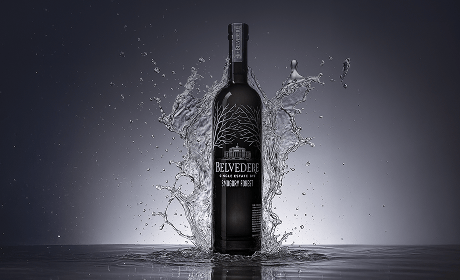
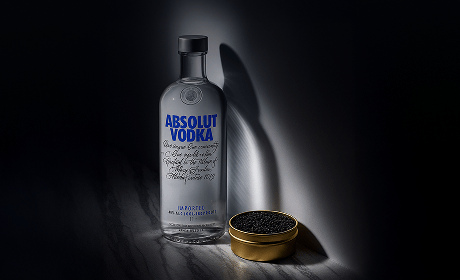
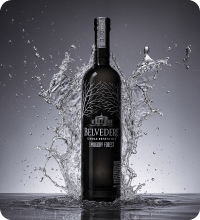
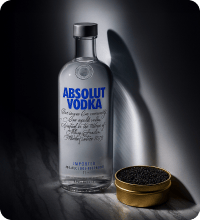
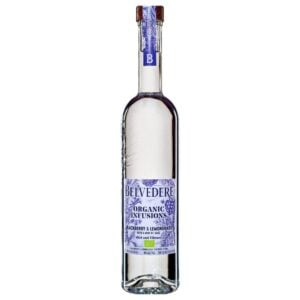
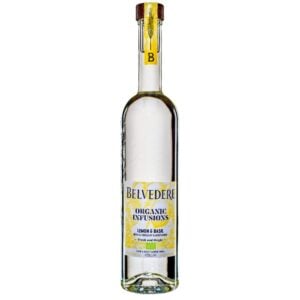
This is the most popular and most classic category - vodka without additives, clear, with a neutral profile. Ideal for toasts, cocktails, and consuming chilled with traditional Polish appetizers. Classics include Wyborowa, Żubrówka Biała, Sobieski, Chopin Vodka, Belvedere, Stolichnaya, Absolut, and Smirnoff. Clear vodka is the foundation of every bar and the natural choice for most Polish occasions.
Flavored Vodka
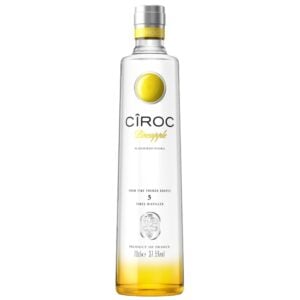
Flavored vodkas are a category with deep traditions in Poland and Central-Eastern European countries. Classic varieties include żubrówka (with the addition of bison grass from the Białowieża Forest), wiśniówka (cherry), śliwowica (plum), jarzębiak (rowan), krupnik (honey-spice), and pieprzówka (pepper). The contemporary market also offers vodkas flavored with citrus fruits, berries, vanilla, caramel, coffee, and even cucumber or chili. This is a category in which Polish vodkas continue to set global standards.
Premium and Super-Premium Vodka
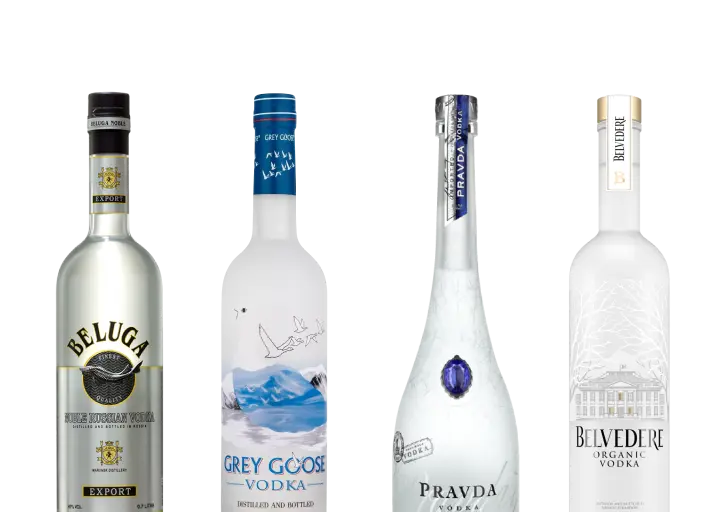
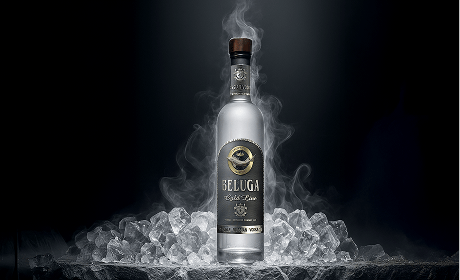
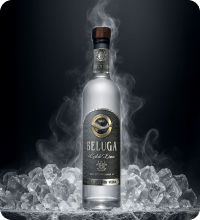
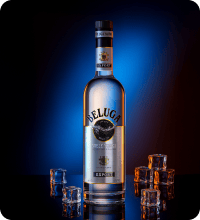
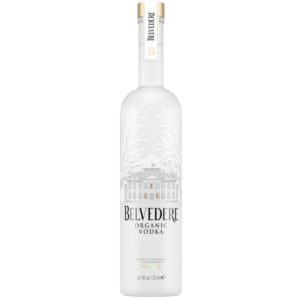
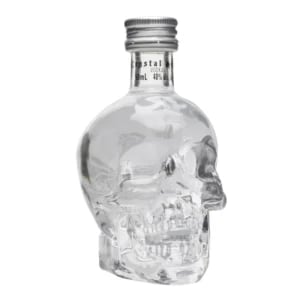
The luxury vodka segment is a relatively new category that developed from the 1990s onwards. Premium means vodkas produced from carefully selected raw materials (most often the highest-quality wheat, rye, or potatoes), subjected to multiple distillations (sometimes seven or even ten times) and filtration through expensive media (diamonds, silver, coconut charcoal). Belvedere, Grey Goose, Chopin, Crystal Head, Beluga, and Absolut Elyx are icons of this category.
Aged Vodka
A relatively new trend is vodkas matured in oak barrels - often former bourbon, sherry, or wine casks. They develop a significantly more complex character, with notes of vanilla, caramel, and spices. This is a proposition for whisky connoisseurs who want to discover a new face of vodka. The Polish brand Wyborowa Single Estate Rye and Chopin Single Young Potato are examples of such experiments.
Craft Vodka
Small, independent distilleries create vodkas in small batches, from local raw materials, often according to original recipes. This is a segment that is also developing dynamically in Poland - more and more craft distilleries are offering bottles with a unique character. For those who value locality and authenticity, this is a fascinating direction to explore.
What Is Vodka Made From?
The raw material used to produce vodka has a key influence on its final character. Although from a legal point of view vodka can be produced from various raw materials, the most commonly used are:
Rye - the traditional Polish raw material, giving vodkas a slightly spicy, peppery, full character. It is rye that stands behind the taste of classic Polish vodka. Belvedere, Wyborowa, and Sobieski are examples of rye vodkas.
Wheat - the most popular raw material in Western Europe. It gives mild, creamy, slightly sweet vodkas. Grey Goose, Absolut, and Stolichnaya are classics of wheat vodkas.
Potatoes - a raw material with a rich Polish tradition, giving smooth, earthy vodkas with a subtle buttery note. Chopin Potato and Luksusowa are flagship Polish potato vodkas.
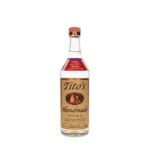
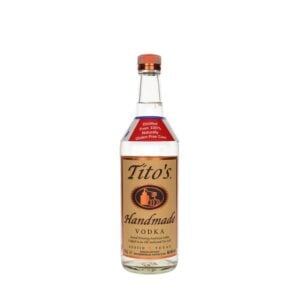
Corn - popular in the production of some American and global vodkas. It gives a mild, delicately sweet profile. Tito's Handmade Vodka and Crystal Head are examples.
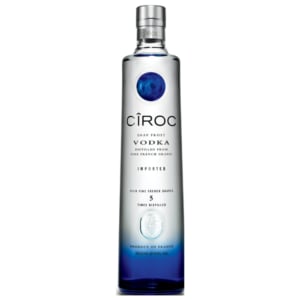
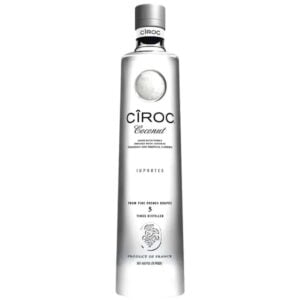
Other raw materials - grapes (Cîroc), sugar beets, molasses, and even milk (Black Cow from England) - are more exotic directions that expand the horizons of vodka enthusiasts.
Polish Vodka - Protected Geographical Indication
Polish Vodka is an official, EU-protected geographical indication. To be allowed to use this name, the producer must meet strict requirements: the vodka must be produced in Poland, from Polish raw materials (rye, wheat, barley, oats, triticale, or potatoes), without flavoring additives (in the case of clear vodkas), and in accordance with traditional production methods.
The Polish Vodka status is not just marketing - it is a guarantee of authenticity, quality, and the continuation of a centuries-old tradition. When choosing a bottle bearing the "Polska Wódka" mark, the customer can be certain that the product was created according to the highest standards and represents the best of Polish distilling craftsmanship.
The Vodka Production Process
Vodka production is a complex technological process in which every stage affects the final quality. While details vary between distilleries, the main steps remain constant.
Malting and mashing - the raw material (grain or potatoes) is ground and mixed with hot water to convert starch into fermentable sugars.
Fermentation - yeast is added, which transforms sugars into alcohol. The process usually takes 2–4 days and yields a liquid with 8–12% strength.
Distillation - the key stage that determines the purity and character of the vodka. Distillation columns or classic pot stills are used. Premium vodkas undergo distillation multiple times - sometimes seven or even ten times - to achieve maximum purity.
Filtration - the distillate is passed through filters, most often activated charcoal, to remove residual undesired compounds. Some brands use exotic filters - diamond, silver, coconut.
Dilution and bottling - the high-strength distillate is diluted with spring water to the target strength (usually 40%). Water quality is of enormous importance - which is why many distilleries advertise their water sources as exceptional.
How to Recognize a Good Vodka
Choosing a good vodka is not only a matter of price or brand reputation. Here are several aspects worth paying attention to.
Purity and clarity - a good vodka should be crystal clear, without cloudiness or sediment.
Smoothness - when you take a small sip, you feel the alcohol, but it should not burn or scratch the throat. Vodka quality is best judged precisely by smoothness and gentleness.
Raw material - information about the raw material on the label (rye, wheat, potato) helps predict the flavor profile.
Number of distillations - multiple distillation usually means higher purity, although not always proportionally to the number.
Country of origin - Poland, Russia, Sweden, Finland, France, USA - each region has its own production specifics.
Quality markings - "Polska Wódka," "Premium," "Single Estate" are signs of higher standards.
The Art of Tasting Vodka
Vodka, like any noble spirit, deserves conscious tasting. The classic Polish approach - chilled, in a 50 ml glass, for a toast with an appetizer - is absolutely valid, but it is worth getting to know other methods as well.
Temperature - clear vodka tastes best chilled to around 0–8°C. Low temperature brings out smoothness and dampens alcohol notes. Some connoisseurs taste premium vodkas at room temperature to fully appreciate their character.
Glass - the classic small vodka shot glass (50 ml) works well for quick toasts, but for tasting it is worth reaching for a tulip-shaped glass that concentrates aromas.
Appetizer - the Polish tradition of pairing vodka with food is not just a custom but a way to more fully appreciate the taste. Herring, pickled cucumber, steak tartare, caviar, smoked fish, lard with bread - these are classic pairings that work exceptionally well.
Pace - vodka is drunk in one sip (toast) or in small sips (tasting). The choice depends on the occasion and the quality of the bottle.
Vodka as a Gift
Vodka is an excellent gift - both in a business and private context. Polish gift-giving culture has for centuries recognized a bottle of good vodka as an elegant expression of respect. When choosing a bottle as a gift, it is worth being guided by the recipient's taste - whether they prefer classic Polish rye vodkas, or rather luxurious premium editions from around the world.
Excellent gift propositions include Belvedere Heritage 176, Chopin Family Reserve, Wyborowa Single Estate, Grey Goose VX, Beluga Gold Line, and Crystal Head Aurora. Elegant packaging, a wooden case, or a stylish decanter bottle elevate the rank of the gift. Professional packaging and a dedication card are elements that make the final impression.
The Most Common Mistakes When Buying Vodka
Buying only the most popular brands - heavily advertised vodkas are not always the best. It is worth seeking out less well-known but excellent options.
Being guided only by price - the cheapest vodka may be decent, but the difference between a cheap and a good product is often small. It is better to pay a few dozen zlotys more for significantly higher quality.
Ignoring the raw material - rye, wheat, and potato vodkas have completely different characters. It is worth knowing what you are buying.
Overlooking Polish brands - Polish vodka is one of the best in the world. It is a shame not to take advantage of this heritage.
Buying without advice - a salesperson in a specialty shop can in a few minutes help choose the perfect bottle tailored to the occasion and budget.
Vodka Price - Overview of Price Ranges
Vodka prices in Poland depend on the category, brand, raw material, and additional elements (packaging, limited editions). Here is an orientational overview of price ranges available in Polish shops.
Vodka up to 50 PLN - this is the basic segment, in which you find classic Polish clear vodkas - Wyborowa, Żubrówka Biała, Soplica, Sobieski, Krupnik. These are utility vodkas, good for everyday toasts, cocktails, and gatherings in larger groups. In this category, what counts above all is solid quality at an accessible price.
Vodka up to 100 PLN - the middle shelf offers significantly more options. Here you will find better Polish rye and potato vodkas, selected premium vodkas, and craft flavored editions. Chopin Vodka, Wyborowa Exquisite, Żubrówka Czarna, and Sobieski Estate are examples from this range.
Vodka up to 200 PLN - the premium segment, where the world of luxury editions begins. Belvedere, Grey Goose, Beluga Noble, Stolichnaya Elit, and Absolut Elyx are classics of this category. An ideal range for gifts for important occasions and for those who value higher tasting quality.
Vodka over 200 PLN - the super-premium segment and collector's editions. Beluga Gold Line, Belvedere Heritage 176, Crystal Head Aurora, Chopin Family Reserve, and Russian Standard Imperia are bottles that combine exceptional quality with prestigious packaging. This is an investment in an extraordinary tasting experience.
Fine Spirits - Vodka in Warsaw at Its Best
Fine Spirits is a shop that has for years held an important place on the Warsaw map of premium alcohol enthusiasts. A location in the heart of the capital, expert advice, a rich assortment of vodkas, and a convenient online shop - these are the strengths thanks to which customers return and recommend the shop further. Vodka in Warsaw finds in Fine Spirits its natural home - from classic Polish vodkas for those who value tradition, to rare collector's editions for the most demanding connoisseurs.
The Fine Spirits assortment includes hundreds of vodka items - Polish classics, international icons, craft limited editions, and flavored specialties. Every bottle comes from a legal, verified source, and constant cooperation with importers and directly with distilleries gives customers certainty of authenticity and proper storage conditions.
Experienced Fine Spirits advisors are true enthusiasts who continuously expand their knowledge through tastings, training, and direct contacts with producers. Every customer - regardless of their level of experience - can count on honest advice. Fine Spirits is a place where buying vodka can be done with full awareness and satisfaction. Whether you are looking for your first bottle of premium Polish vodka, a gift for an important occasion, or a collector's gem - Fine Spirits welcomes you both to its stationary salon in central Warsaw and to its online shop available at any hour.
FAQ - Frequently Asked Questions About Vodka
How does Polish vodka differ from others?
Polish Vodka is a geographical indication protected at the European Union level. To be allowed to use this name, the producer must meet strict requirements - production in Poland, use of Polish raw materials (rye, wheat, barley, oats, triticale, or potatoes), and traditional production methods. This is a guarantee of authenticity and quality that no other designation provides.
Which raw material makes the best vodka?
There is no clear answer - it is a matter of preference. Rye vodka gives a fuller, spicier character; wheat is milder and creamier; potato - smooth, with a subtle buttery note. The best vodka is the one that suits your taste. It is worth trying different raw materials to find your favorite profile.
Can vodka be stored for a long time?
Yes, unlike wine or whisky, vodka practically does not age in the bottle. An opened bottle can be stored for years, provided it is properly corked and kept in a cool place. Flavored vodkas (with fruits, herbs), however, may change their flavor profile over time, so it is worth consuming them within 1–2 years of opening.
Should vodka be chilled?
Yes, classic clear vodka tastes best chilled to around 0–8°C. Low temperature dampens alcohol notes and brings out smoothness. Some connoisseurs taste premium vodkas at room temperature to fully appreciate their character - this, however, is a matter of individual preference.
Is vodka fattening?
Vodka, like any alcohol, provides calories - about 60–70 kcal in a 50 ml glass. Vodka itself contains no sugars or fats, so in its pure form it is one of the less caloric alcohols. The problem may rather be the company - cocktails with syrups and juices significantly increase the caloric content, similar to traditional Polish appetizers.
Does more expensive vodka mean better vodka?
Not necessarily. Price reflects not only quality but also production costs, packaging, marketing, and brand positioning. You can find excellent vodkas in the 80–150 PLN range that rival bottles costing 300–400 PLN. It is worth being guided by tests, reviews, and your own tasting, rather than solely by price.
Which vodka is best for cocktails?
For cocktails, classic clear vodka with a neutral profile works best - Wyborowa, Absolut, Stolichnaya, Smirnoff, Sobieski. Premium vodkas in cocktails may be overkill, as their subtle notes are often lost under a layer of other ingredients. Exceptions are classic cocktails such as Vodka Martini or Espresso Martini, where the quality of the vodka matters.
Is flavored vodka still vodka?
Yes, although it has its own separate category. The Polish tradition of flavored vodkas - żubrówka, wiśniówka, śliwowica, krupnik, jarzębiak - reaches back hundreds of years and is an important part of the national heritage. The contemporary market also offers vodkas flavored with fruits, herbs, spices, coffee, and even vegetables. This is a full-fledged category, appreciated both in Poland and worldwide.
Why might two bottles of the same vodka have different prices in different shops?
Differences result from the shop's margin, logistics costs, terms of agreements with the distributor, and current promotions. Sometimes the difference can be as much as 20–30%. It is worth comparing offers, but at the same time remembering about the certainty of the product's origin - the cheapest bottle from an unverified source may be a counterfeit. Specialty shops such as Fine Spirits offer fair pricing policy and a full guarantee of authenticity.
Summary
Vodka is a fascinating world in which tradition meets modernity. Poland, as the cradle of this spirit, offers vodkas that set the global quality standard. From classic rye and potato editions, through flavored specialties, to luxurious premium vodkas - this category is inexhaustible in its diversity.
Whether you are taking your first steps in the world of vodka or building a mature collection, good vodka is a category to which it is always worth returning. Every bottle contains a story - a tale of the distillery, the raw material, the people, and the tradition. Let every bottle you open be a celebration of taste, history, and passion. And if you are looking for a place where you will choose best - Fine Spirits in Warsaw welcomes you to its stationary shop and online.
Cheers!