






Champagne and Cava
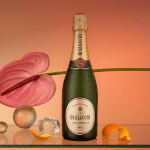
49 productsChampagne and cava are the two best-known sparkling wines made by the traditional method – with a second fermentation in the bottle. This is what creates fine, persistent bubbles and complex aromas of brioche, toast and nuts. Champagne from the French region of Champagne is synonymous with luxury and life’s most important toasts, while Spanish cava offers a similar style at a much more affordable price. In this category you will find champagnes and cavas in various styles – from dry brut to rosé and vintage wines.
Is champagne a sparkling wine?
Yes – champagne is a sparkling wine, but not every sparkling wine is champagne. “Champagne” is a protected designation of origin reserved exclusively for wines from the French region of Champagne, made according to strict rules. Sparkling wines from other regions, even if made by the same method, may not use the name – in France they are called crémant, in Spain cava, and in Italy, for example, Franciacorta or prosecco. See the full range of bubbles in sparkling wine.
Is champagne wine?
Yes. Champagne is made from grapes, and its production starts with an ordinary still wine that then undergoes a second fermentation in the bottle. The result is a wine with naturally dissolved carbon dioxide.
The traditional method – how champagne and cava are made
- Base wine – the grapes are fermented into still wine. In Champagne, winemakers blend wines from different varieties, vineyards and vintages (assemblage).
- Second fermentation in the bottle – sugar and yeast (liqueur de tirage) are added to the wine, and the bottle is closed with a crown cap. The CO₂ produced cannot escape and dissolves in the wine.
- Ageing on the lees – the wine ages on dead yeast cells for months or years, gaining notes of bread, brioche and nuts.
- Riddling and disgorgement – the sediment slides into the neck of the bottle, is frozen and removed.
- Dosage – before corking, liqueur d’expédition is added, which determines the wine’s sweetness (brut, extra dry, demi-sec).
Champagne
Champagne grapes and styles
Champagne is made mainly from three grapes: Chardonnay (elegance and freshness), Pinot Noir (structure and fruit) and Pinot Meunier (fruitiness and roundness). On the label you will find style terms:
- Blanc de Blancs – made only from white grapes (Chardonnay); light, crisp and elegant.
- Blanc de Noirs – made from dark grapes (Pinot Noir, Pinot Meunier); fuller and fruitier.
- Rosé – pink champagne with red fruit aromas; one of the few cases where blending white and red wine is permitted.
- Non-vintage (NV) – a blend of several vintages, aged in the cellar for at least 15 months (including at least 12 on the lees). The signature of a champagne house’s style.
- Millésime (vintage) – made only from grapes of a single, exceptional vintage, aged for at least 3 years.
- Prestige cuvée – the top wines of champagne houses, ideal as gifts and for collections.
Cava – Spanish sparkling wine
Cava is a Spanish sparkling wine with a protected designation of origin (DO Cava), made by the traditional method – just like champagne. Over 90% of cava is produced in Catalonia, in the Penedès region, and its capital is the town of Sant Sadurní d’Anoia. Cava is made mainly from the local Macabeo, Xarel·lo and Parellada grapes, and increasingly from Chardonnay and Pinot Noir. It has a crisp, citrusy character with notes of apple, almond and delicate brioche. See also Spanish wines.
Cava ageing designations
| Designation | Minimum ageing on the lees |
|---|---|
| Cava de Guarda | 9 months |
| Cava de Guarda Superior Reserva | 18 months |
| Cava de Guarda Superior Gran Reserva | 30 months |
| Cava de Paraje Calificado | 36 months, from a single distinguished vineyard |
The longer the ageing, the more complex the aroma and the finer the bubbles. Cava Reserva and Gran Reserva are excellent alternatives to champagne at a much lower price. Cava rosado (rosé) is also available.
Champagne, cava or prosecco – which to choose?
| Champagne | Cava | Prosecco | |
|---|---|---|---|
| Country | France | Spain | Italy |
| Method | traditional | traditional | Charmat (tank) |
| Main grapes | Chardonnay, Pinot Noir, Pinot Meunier | Macabeo, Xarel·lo, Parellada | Glera |
| Style | complex, brioche, fine bubbles | crisp, citrusy, almond notes | fruity, light, floral |
| Price | highest | affordable | affordable |
For the most important toasts and as a gift, champagne is the best choice. For larger parties, when you want traditional-method quality at a good price – cava. For aperitifs and cocktails – prosecco.
Champagne and cava food pairing
Dry champagne and cava brut are among the most versatile food wines. Classic pairings include oysters, caviar, seafood, sushi, smoked salmon and cheeses (such as brie and Parmesan). They also work well with fried snacks, even chips and poultry. Cava is a natural partner for Spanish tapas: jamón, olives and croquetas. Rosé champagne pairs with salmon, duck and red fruit desserts, while demi-sec goes well with desserts and cakes.
How to serve champagne and cava
Serve young champagnes and cavas at 6–8°C, and vintage champagnes and Gran Reserva slightly warmer, at 8–10°C, so they can develop their aroma. Instead of narrow flutes, choose tulip-shaped glasses or white wine glasses. Open the bottle slowly, holding the cork and turning the bottle – the gas should escape with a quiet hiss. Close an opened bottle with a sparkling wine stopper and keep it in the fridge for 1–3 days. You will find accessories in wine accessories.
Champagne and cava prices
- Cava – cava brut is available among wines under PLN 50, and cava Reserva and Gran Reserva usually among wines under PLN 100.
- Non-vintage champagne – the entry point into the world of champagne, from recognised champagne houses.
- Vintage champagnes and prestige cuvées – the top tier, ideal as gifts and for collections. See premium wines and wine gifts.
For weddings and large parties, consider magnums – see wedding wine and magnums and large formats.
Frequently asked questions
What is the difference between champagne and sparkling wine?
Champagne is a type of sparkling wine that can only be made in the Champagne region of France, by the traditional method and from specific grapes. “Sparkling wine” is a broader term that also includes prosecco, cava, crémant and Asti.
Is cava champagne?
No, although it is made by the same traditional method. Cava is a Spanish sparkling wine with its own designation of origin, produced mainly in Catalonia from local grape varieties.
How long can champagne be stored?
Non-vintage champagnes taste best within 2–3 years of purchase, while vintage champagnes and prestige cuvées can age for many years. Store them lying down in a cool, dark place.
How many calories are in champagne?
Champagne brut contains about 70–80 kcal per 100 ml, or about 85–95 kcal in a 120 ml glass. Extra brut and brut nature contain fewer calories, demi-sec more.
Explore our selection of champagne and cava. Alcohol is sold only to persons aged 18 and over.