
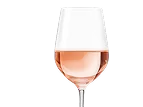
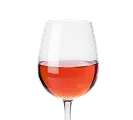







Semi-Sweet White Wine
0 productsSemi-sweet white wine is a combination of fruity sweetness and refreshing acidity. It is gentle, aromatic and easy to enjoy – with notes of peach, apricot, pear, honey and flowers – yet never cloying. It is a great choice for those just starting their wine journey, for get-togethers with friends, for Asian cuisine and fruit desserts. In this category you will find semi-sweet white wines from Germany, Georgia, Moldova, France, Italy and other countries. Use the filters to narrow your choice by country, grape variety and price.
What is semi-sweet white wine?
Semi-sweet white wine is made from light-skinned grapes and retains between 12 (or 18) and 45 g of residual sugar per litre after fermentation. The sweetness is clearly noticeable, but a good wine balances it with acidity, so it tastes fresh and light. Winemakers achieve this style by stopping fermentation before all the sugar turns into alcohol, which is why semi-sweet wines often have slightly less alcohol than dry ones. On labels, look for semi-sweet, medium sweet, lieblich, amabile, moelleux or – in Polish – półsłodkie. Read more about the style in semi-sweet wine.
The most popular grapes for semi-sweet white wine
- Riesling – the king of semi-sweet whites. High acidity perfectly balances the sweetness, while aromas of peach, apricot, green apple and honey keep the wine fresh and elegant.
- Muscat / Moscato – intensely aromatic, smelling of fresh grapes, orange blossom and peach. Semi-sweet white Muscat is one of the easiest styles to enjoy.
- Gewürztraminer – aromas of rose, lychee and baking spices; great with Asian cuisine.
- Chardonnay – in its semi-sweet version fruity and rounded, with notes of yellow fruit. Especially popular in wines from Moldova and Bulgaria.
- Chenin Blanc – from the Loire Valley, where semi-sweet Vouvray moelleux with aromas of quince and honey is made.
Semi-sweet white wine from around the world
Germany
Germany is the most important country for semi-sweet white wine. Rieslings from the Mosel, Rheingau and Pfalz labelled lieblich, Kabinett or Spätlese combine sweetness with exceptional freshness and low alcohol. See German wines.
Georgia and Moldova
Georgian semi-sweet white wines, such as Tvishi made from Tsolikouri or Alazani Valley, are fruity and gentle, and very popular in Poland. Moldovan semi-sweet white wine – made from Muscat, Chardonnay and Traminer – tempts with its aromatics and affordable price. See Georgian wines and Moldovan wines.
France
French semi-sweet white wines include Vouvray moelleux from the Loire Valley, aromatic wines from Alsace and white Bordeaux in the moelleux style – blends of Sémillon and Sauvignon Blanc with notes of honey and ripe fruit. See French wines.
Italy, Hungary and other countries
Also worth trying are Italian Moscato, Hungarian semi-sweet wines from the Tokaj region and Bulgarian and Greek semi-sweet wines. See Italian, Bulgarian and Greek wines.
How to choose a good semi-sweet white wine
- Look for balance. The best semi-sweet whites have pronounced acidity that keeps the sweetness fresh rather than cloying. German Rieslings are hard to beat here.
- Choose the aroma. If you like stone fruit and citrus, go for Riesling. If you prefer intense floral aromas, choose Muscat or Gewürztraminer.
- Think about the occasion. For a get-together with friends, a fruity wine from Georgia or Moldova works well; for dinner, Riesling Spätlese; and as a gift, Vouvray moelleux or a Riesling from a renowned producer.
- Do not be put off by lower alcohol. Many semi-sweet Rieslings have only 8–10% alcohol – that is an advantage, not a flaw.
Find a ranking of tried-and-tested picks in our best wines selection, and gift ideas in wine gifts.
Semi-sweet white wine food pairing
Semi-sweet white wine is the ideal partner for spicy and aromatic dishes – sweetness tames the heat, while acidity refreshes the palate. It works beautifully with Thai, Chinese, Indian and Mexican cuisine. It also pairs with poultry and pork in fruit sauces, pâtés, foie gras, blue and aged cheeses, as well as fruit desserts, apple pie and apricot tarts. On its own, it makes an excellent aperitif.
How to serve semi-sweet white wine
Serve semi-sweet white wine well chilled, at 7–10°C – chilling enhances freshness and softens the perception of sweetness. White wine glasses with a narrower bowl work best. An opened bottle, tightly closed and kept in the fridge, stays fresh for 3–5 days. You will find glasses and coolers in wine accessories.
Semi-sweet white wine prices
- Wines under PLN 50 – fruity semi-sweet whites from Moldova, Georgia and Bulgaria, plus Moscato.
- Wines under PLN 100 – German Riesling Kabinett and Spätlese, wines from Alsace and the Loire Valley.
- Premium wines – Rieslings from top producers and exceptional gift wines.
Frequently asked questions
How many calories are in semi-sweet white wine?
Semi-sweet white wine usually contains 85–100 kcal per 100 ml, or about 130–150 kcal in a 150 ml glass. Wines with lower alcohol (e.g. Riesling at 8–9%) may contain fewer calories despite their higher sugar content.
Which semi-sweet white wine is best for beginners?
The easiest to enjoy are fruity Muscat and Moscato wines and semi-sweet German Rieslings.
What is the difference between semi-sweet and semi-dry white wine?
The amount of sugar. Semi-dry has up to 12 g/l (or up to 18 g/l), while semi-sweet has up to 45 g/l. If you prefer a more delicate sweetness, see semi-dry wines. Looking for an even sweeter style? See sweet and dessert wines.
Explore our selection of semi-sweet white wine. Alcohol is sold only to persons aged 18 and over.