





















Sweet and Dessert Wine
14 products
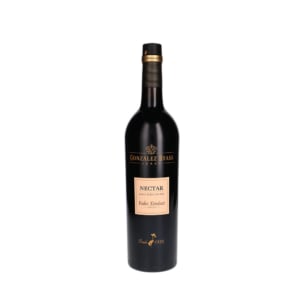


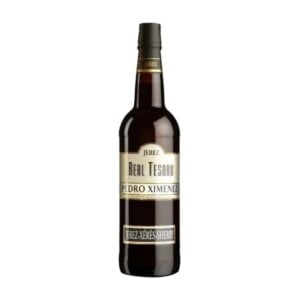 -8,50 zł


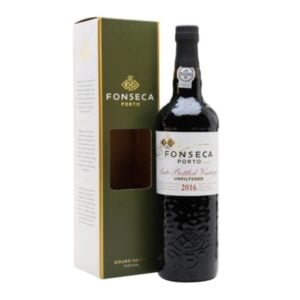 -15,20 zł
Sweet wine is one of the oldest and noblest wine styles. For centuries, sweet dessert wines – Hungarian Tokaji, Portuguese port and Spanish Málaga – graced royal tables. Today, sweet wine also means light, sparkling Moscato and fruity red and rosé wines for get-togethers with friends. In this category you will find sweet white, red, rosé, sparkling and fortified wines from the world’s most important regions. Use the filters to narrow your choice by colour, country, grape variety and price.
What are sweet and dessert wines?
Under EU rules, sweet wine is a still wine containing more than 45 g of residual sugar per litre. The best dessert wines contain much more – often over 100 or even 200 g/l. Importantly, a good sweet wine is never syrupy: its sweetness is balanced by high acidity, keeping the wine fresh and elegant.
The term “dessert wine” refers to sweet wines served with dessert or instead of it. Many of them are highly concentrated in aromas – honey, apricot, dried fruit, caramel and spice.
On labels, sweet wine appears as sweet (English), dolce (Italian), süß or edelsüß (German), doux or liquoreux (French), dulce (Spanish) and słodkie (Polish).
How is sweet wine made?
For a wine to retain a lot of sugar, the grapes must be exceptionally rich in it or the fermentation must be stopped. Winemakers use several methods:
- Late harvest – the grapes stay on the vine longer to accumulate more sugar (e.g. German Spätlese and Auslese).
- Noble rot (Botrytis cinerea) – a fungus evaporates water from the berries, concentrating sugar and acidity. This is how Tokaji Aszú and Sauternes are made.
- Drying the grapes – the fruit is dried on mats or in crates, as for Italian passito and Vin Santo.
- Ice wine (Eiswein) – the grapes are harvested and pressed while frozen, yielding a very concentrated juice.
- Fortification – grape spirit is added to the fermenting must, which stops fermentation. This is how strong dessert wines such as port, Madeira and Marsala are made.
Types of sweet wine
Sweet white wine
The largest group of dessert wines. Sweet white wine delights with aromas of apricot, peach, honey and flowers. Classics include Tokaji Aszú, Sauternes, German Riesling Auslese and Muscat wines. See also white wine.
Sweet red wine
Sweet red wine means above all port, as well as Italian Recioto della Valpolicella and sweet Saperavi wines. They offer aromas of ripe cherries, plums, dried fruit and chocolate. See red wine.
Sweet rosé and sparkling wine
Light, aromatic and low in alcohol – sweet sparkling wines include Italian Moscato d’Asti and Asti Spumante, as well as champagnes labelled doux (over 50 g/l of sugar) and demi-sec. Sweet rosé wines are usually fruity wines for summer and strawberry desserts. See sparkling wines and rosé wine.
Strong dessert wines (fortified)
Strong dessert wines usually have 15–22% alcohol. This group includes Portuguese port and Madeira, Sicilian Marsala and sweet styles of Spanish sherry. These wines keep for a long time after opening and make an excellent digestif.
Sweet wine from around the world
Hungarian sweet wine – Tokaji
Tokaji is the most famous Hungarian sweet wine and Tokaj is one of the oldest dessert wine regions in the world. Tokaji Aszú is made from grapes affected by noble rot, mainly Furmint. It has a golden colour and aromas of apricot, honey and orange peel. Also worth discovering are Tokaji Szamorodni and late-harvest wines from the region.
Spanish sweet wine
Sweet wine from Spain means above all Málaga – a strong, sweet dessert wine from Andalusia with aromas of raisins and caramel – and sherry made from Pedro Ximénez, which is thick, dark and intensely sweet. Moscatel wines are also popular. See Spanish wines.
Italian sweet wine
Sweet wine in Italian is vino dolce. Italy offers sparkling Moscato d’Asti, Tuscan Vin Santo, sweet passito from Sicily and Pantelleria, Recioto from Veneto and Sicilian Marsala. See Italian wines and Moscato.
France, Germany, Croatia and Moldova
France offers Sauternes and Barsac from Bordeaux, as well as sweet wines from Alsace and the Loire Valley. Germany is famous for Riesling Auslese, Beerenauslese and Trockenbeerenauslese, and for ice wine (Eiswein). Croatian sweet wine means above all Dalmatian prošek, made from dried grapes. Moldovan sweet wines are fruity dessert wines at affordable prices. See French, German, Croatian and Moldovan wines.
How to choose a good sweet wine
- Decide what you will serve it with. For light fruit desserts, choose Moscato d’Asti; for blue cheeses, Sauternes or Tokaji; and for chocolate, port or Pedro Ximénez.
- Look for balance. The best dessert wines have high acidity, so their sweetness never becomes tiring.
- Pay attention to the format. Many dessert wines are sold in 375 or 500 ml bottles – enough for several people, as dessert wine is served in smaller portions.
- Think of a gift. Tokaji Aszú, Sauternes or aged port make elegant gifts that can age for decades.
Find more ideas in our best wines selection and in wine gifts.
Dessert wine food pairing
| Sweet wine | Examples | Serve with |
|---|---|---|
| Light, sparkling | Moscato d’Asti, Asti | fruit desserts, tarts, sponge cakes |
| Botrytised | Tokaji Aszú, Sauternes | blue cheeses, foie gras, crème brûlée |
| From dried grapes | Vin Santo, passito, prošek | almond biscuits (cantucci), nuts |
| Fortified | port, Pedro Ximénez, Málaga | chocolate, coffee desserts, hard cheeses |
The rule is simple: the wine should be at least as sweet as the dessert – otherwise it will taste sour and flat.
How to serve sweet wine
Serve white dessert wines and sparkling Moscato well chilled, at 6–10°C. Sweet red wines and port at 14–18°C. Dessert wine is poured in smaller portions (about 75–100 ml) into smaller glasses. Opened sweet wines stay fresh longer than dry ones: unfortified wines up to a week in the fridge, fortified ones even several weeks. You will find dessert wine glasses in wine accessories.
Sweet wine prices
- Wines under PLN 50 – fruity everyday sweet wines and sparkling Moscato.
- Wines under PLN 100 – good appellation sweet wines, including Tokaji Szamorodni, Moscato d’Asti, Málaga and ruby port.
- Premium wines – Tokaji Aszú, Sauternes, aged port and vintage wines. Expensive sweet wines are often collector’s gems.
Frequently asked questions
What is the difference between sweet and semi-sweet wine?
Semi-sweet wine has up to 45 g of sugar per litre, while sweet wine has more than 45 g/l. Dessert wines usually contain much more sugar and have a more concentrated flavour. If you are looking for gentler sweetness, see semi-sweet wines.
How many calories are in sweet wine?
Sweet wine usually contains 100–160 kcal per 100 ml, and fortified wines up to about 160–180 kcal. As dessert wine is served in small portions (75–100 ml), one glass typically contains about 100–160 kcal.
Which dessert wine makes a good gift?
Tokaji Aszú, Sauternes or a good port are excellent gifts – wines with tradition that age beautifully and impress. See wine gifts.
What is sweet wine called in other languages?
Vino dolce in Italian, süßer Wein in German (on labels: süß or edelsüß), vin doux in French and wino słodkie in Polish.
Explore our selection of sweet and dessert wine. Alcohol is sold only to persons aged 18 and over.