
















































































Rye Vodka
6 products
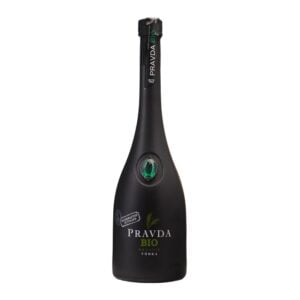
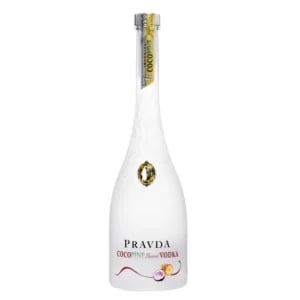
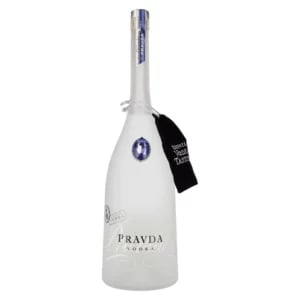
Rye Vodka — The Essence of Polish Craftsmanship
Rye vodka is a category that has for centuries formed the heart of Polish distilling tradition. It is rye — the unassuming grain cultivated on the cool plains of Mazovia, Podlasie, and Greater Poland — that stands behind the characteristic flavor that built the international renown of Polish vodkas. When connoisseurs around the world think of authentic Polish vodka, they almost always have rye vodka in mind — full-bodied, spicy, slightly peppery, with a characteristic "bready" note that cannot be reproduced from any other raw material.
In recent decades, the rye category has been experiencing a true renaissance. After years of domination by mild wheat vodkas from Western Europe, the world is rediscovering the value of Polish rye vodkas — their character, authenticity, and depth. Belvedere, Wyborowa, Chopin Rye, Sobieski — these are the brands that have redefined what premium vodka based on rye can be. In this article, we will comprehensively discuss why rye vodka deserves a special place in every bar, what distinguishes it from other grain vodkas, and how to choose the perfect bottle.
What Is Rye Vodka?
Rye vodka, sometimes called rye grain vodka, is a distillate produced from fermented rye — a grain of particular significance in Polish agricultural culture. To be allowed to legally use the name "rye vodka," the producer must ensure that rye is the dominant or sole raw material in the recipe. In the case of vodkas with the "Polska Wódka" designation, the raw material must come from Polish crops, and the entire production process must take place in Poland.
The character of rye vodka is clearly different from other grain vodkas. Where wheat vodka offers mildness and creaminess, rye vodka delivers fullness, character, and subtle spiciness. The flavor profile of a classic rye vodka contains notes of freshly baked bread, light pepper, dry spices, earthy minerality, and a delicate, discreet sweetness. The finish often brings a dry, slightly nutty note that makes rye vodka endlessly drinkable without becoming tiresome.
The standard strength of rye vodka is 40% alcohol, although you can also find versions at 45–50% (especially in premium "cask strength" or "export strength" editions). Higher strength often amplifies the characteristic spicy rye notes, giving an even more expressive profile.
A Brief History of Rye Vodka in Poland
Rye has been cultivated on Polish lands for a thousand years. The Polish soil and climate — cool, humid, less fertile compared to southern Europe — favor this grain far more than wheat. That is why, from the Middle Ages, rye became the basic raw material of Polish agriculture and, naturally, of Polish distilling. The first distilling farms on Polish lands, operating already in the 15th century, primarily used rye — it was an available, cheap, and abundant raw material.
In the 16th and 17th centuries, during the golden age of the Polish-Lithuanian Commonwealth, nearly every noble estate had its own distillery producing rye vodka. Recipes were carefully guarded, and the differences between distilleries from various regions of Poland were distinct — rye from Mazovia gave a different character than rye from Podlasie or Pomerania. Polish rye vodka was exported to European courts, where its expressive, authentic character was valued.
The 19th and 20th centuries brought industrialization but also preservation of tradition. Brands such as Wyborowa (founded in 1823) and Polmos in various cities continued producing classic rye vodka, although quality varied during the years of the People's Republic of Poland. The true renaissance of rye vodka came in the 1990s and 2000s — that is when Belvedere (1996) and Chopin Rye showed the world that Polish rye vodka could compete with the most expensive premium brands in the world. Today, the rye category is the heart of Poland's vodka export offer.
Types of Rye Vodka
Although all rye vodkas share their base raw material, within this category there is significant diversity in style, quality, and character.
Pure Rye Vodka
The most classic form — 100% rye vodka, without additives, multiply distilled and filtered. The full rye character in its purest form. Belvedere, Wyborowa, Sobieski, Chopin Rye, Stock Prestige Vodka — these are the classics of this category. This is where the character of the raw material reveals itself most fully.
Premium and Super-Premium Rye Vodka
Luxury editions, produced from carefully selected rye (often from specific farms, a single variety, a single vintage), subjected to multiple distillations and refined filtration. Belvedere Heritage 176, Wyborowa Single Estate, Chopin Family Reserve — these are examples of rye vodkas in which the craft of production reaches the highest level.
Single Estate Rye Vodka
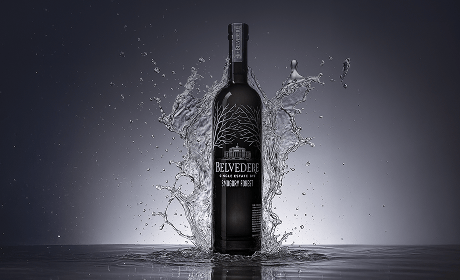
A relatively new trend — rye vodkas produced from rye sourced from one specific farm. This is a "terroir" approach, known from winemaking, in which the character of a specific field, soil, and climate is reflected in the final product. Belvedere Single Estate Rye (from Lake Bartężek and Smogóry Forest) is a flagship example of this trend.
Aged Rye Vodka
A new direction — rye vodkas maturing in oak barrels (former bourbon, sherry, or wine casks). They develop a significantly more complex character, with notes of vanilla, caramel, and spices. This is a proposition for whisky connoisseurs looking for new experiences in the world of vodkas.
Rye Vodka with Traditional Additives
Although technically these are already flavored vodkas, it is worth mentioning classic Polish editions based on rye with herbal or spice additives — żubrówka, krupnik, jarzębiak. These are traditional Polish products whose rye base gives them a unique character.
Rye Vodka vs. Wheat Vodka — The Most Important Differences
Comparing rye vodka with wheat vodka is a classic topic of connoisseur discussion. Although both are grain vodkas, their character fundamentally differs.
Flavor profile — wheat vodka is milder, creamier, slightly sweet, with subtle notes of vanilla and white bread. Rye vodka is fuller, spicier, slightly peppery, with notes of dark bread and spices. Wheat is elegance and softness; rye is character and authenticity.
Texture — wheat vodkas are usually softer and rounder on the tongue. Rye vodkas have a somewhat more oily, fuller texture with a more pronounced "body."
Finish — wheat gives a shorter, milder finish. Rye leaves a longer, more expressive aftertaste with subtle notes of spices and grain.
Regional tradition — wheat dominates in vodkas from Western Europe (France — Grey Goose, Sweden — Absolut). Rye is primarily a Polish and Eastern European tradition.
Food pairing — wheat vodka works well in cocktails and with light appetizers. Rye vodka pairs beautifully with traditional Polish appetizers — herring, steak tartare, lard, smoked fish.
The choice between rye and wheat vodka is ultimately a matter of preference — but for those who value character, authenticity, and Polish tradition, rye will often be the natural choice.
How Rye Vodka Is Made
The production process of rye vodka, although similar to that of other grain vodkas, has its specific nuances that influence the final character.
Rye selection — rye must be of high quality, free of mold and contaminants. Premium producers often choose specific rye varieties (e.g., "Dańkowskie Złote"), known for high starch content and characteristic flavor notes.
Malting and mashing — rye is ground and mixed with hot water to convert starch into fermentable sugars. However, rye is a more difficult raw material to process than wheat — it contains more pentosans and beta-glucans, which can create a sticky structure. That is why producing rye vodka requires more distilling experience.
Fermentation — yeast transforms sugars into alcohol. Rye fermentation is often slower than wheat, but it yields a more pronounced aromatic profile.
Distillation — premium rye vodkas are distilled multiple times (most often 3–5 times) in distillation columns or classic pot stills. Each distillation increases purity, but experienced master distillers know how not to "over-purify" the vodka and lose the rye character.
Filtration — rye vodka is filtered, most often through activated charcoal, although premium brands use more refined media (silver, coconut charcoal).
Dilution and bottling — the distillate is diluted with high-quality water to the target strength (usually 40%). The quality of the water has a huge impact on the final profile — many Polish distilleries advertise their local sources.
Poland — The World Capital of Rye Vodka
Poland is undoubtedly the world capital of rye vodka. The combination of an ideal climate for rye cultivation, a centuries-old distilling tradition, access to high-quality water, and the "Polska Wódka" status as a protected geographical indication makes Polish rye vodkas set the global quality standard.
The main production regions are:
Mazovia — a region with a rich tradition, home to many renowned brands, including Belvedere (produced in Żyrardów).
Greater Poland — a cultivation and production region; Polmos Poznań has a long history of producing rye vodkas.
Podlasie — a region of pristine nature, with the traditional Dańkowskie rye, from which Żołądkowa, Stock, and other vodkas are produced.
Lesser Poland — Polmos Kraków and new craft distilleries continue the regional tradition.
Pomerania — a region with numerous small distilleries; Sobieski has strong roots here.
Each of these regions has its subtle differences in style — resulting from the local rye variety, water quality, distilling tradition, and microclimate.
How to Recognize a Good Rye Vodka
Choosing a good rye vodka requires attention to several key aspects.
Raw material on the label — look for clear "rye" or "żytnia" information. Some vodkas marketed as "Polish vodka" may be produced from various grains — the rye category requires explicit labeling.
Origin — "Polska Wódka" or "Product of Poland" is a sign of protected origin, guaranteeing traditional production methods from Polish raw materials.
Flavor character — a good rye vodka should have a distinct but not aggressive character — full body, spicy notes, light pepperiness, long finish. Too mild, "empty" rye vodka is a sign of excessive filtration that has removed the character of the raw material.
Number of distillations — distillation information (most often 3–5 times) indicates production quality. However, too many distillations can "flatten" the rye character.
Brand and reputation — Belvedere, Wyborowa, Chopin Rye, Sobieski, Żołądkowa Gorzka — these are the brands that guarantee the authenticity and quality of rye vodka.
The Art of Tasting Rye Vodka
Rye vodka, due to its more pronounced character compared to wheat or potato vodka, particularly deserves conscious tasting.
Temperature — although the traditional Polish approach is chilled vodka (0–8°C), premium rye vodkas are worth tasting at a slightly higher temperature (10–15°C). Too low a temperature dampens the spicy rye notes that are the essence of this category.
Glass — a tulip glass or Glencairn (known from whisky tasting) works excellently with premium rye vodkas. It concentrates aromas and allows full appreciation of the character.
Aroma — sniff gently. In a good rye vodka, you should detect notes of fresh bread, light pepper, dry spices, grain, and delicate minerality.
Taste — take a small sip, letting the vodka spread across the entire tongue. Identify the flavors — fullness, spiciness, pepperiness, sweetness of grain, minerality. A good rye vodka evolves on the palate from first contact to finish.
Food pairing — rye vodka is a classic partner of traditional Polish appetizers. Herring in oil, herring in cream, steak tartare, lard with bread, smoked fish, pickled cucumber, caviar — these are pairings that work exceptionally well. The fullness and spiciness of rye pair beautifully with salty, fatty flavors.
Rye Vodka in Cocktails
Although rye vodka works excellently in solo tasting, it is also an interesting base for cocktails — particularly those in which its character can express itself.
Polish Martini — rye vodka, żubrówka, apple juice. A classic of Warsaw bars, in which the rye base supports the herbal notes of żubrówka.
Vodka Old Fashioned — rye vodka, sugar, aromatic bitters, ice. A twist on the classic Old Fashioned, in which the spiciness of rye replaces bourbon.
Espresso Martini with Rye — rye vodka, espresso, coffee liqueur. The spiciness of rye pairs beautifully with the roasted notes of coffee.
Bloody Mary with a Polish Accent — rye vodka, tomato juice, Worcestershire sauce, horseradish, lemon juice. Rye vodka gives this classic drink a more pronounced character.
Vodka Negroni — rye vodka, Campari, vermouth. A twist on the Italian classic, in which the spiciness of rye balances the bitterness of Campari.
Rye Vodka as a Gift
Rye vodka, especially in its premium version, is an exceptional gift — full of Polish tradition, history, and authenticity. For those who value Polish heritage or are looking for a gift with a distinct, national character, a bottle of good rye vodka is an almost ideal choice.
Excellent gift propositions include Belvedere Heritage 176 (a luxury edition with smoky peat notes), Belvedere Single Estate Rye (from a specific Polish farm), Chopin Family Reserve (a collector's edition from a Polish distillery), Wyborowa Single Estate (a premium edition of the classic Polish brand), and Sobieski Estate (an accessibly priced premium edition). Elegant packaging — wooden cases, designer bottles — elevates the rank of the gift.
The Most Common Mistakes When Buying Rye Vodka
Confusing it with other grain vodkas — not every "Polish vodka" is rye. Pay attention to the clear indication of the raw material on the label.
Choosing only the cheapest options — in the premium segment, the quality difference between rye vodkas and basic ones is particularly clear. It is worth paying more for authenticity and character.
Chilling premium rye vodkas — too low a temperature dampens the characteristic rye notes. Premium rye vodkas deserve a temperature close to room temperature.
Using premium rye vodka in "mass" cocktails — in mixtures with strong juices or syrups, the subtle rye notes are lost. Reserve premium editions for solo tasting.
Overlooking Polish craft brands — alongside the big names, the Polish market offers many small, independent distilleries producing excellent rye vodkas with original recipes.
Rye Vodka Price — Overview of Price Ranges
Rye vodka up to 50 PLN — the basic segment, in which you find solid Polish classics: Wyborowa, Sobieski, Krupnik Żytnia, Stock Prestige. These are utility vodkas, good for everyday toasts and cocktails.
Rye vodka up to 100 PLN — the middle shelf offers significantly more. Belvedere (classic), Chopin Rye, Sobieski Estate, Wyborowa Exquisite — these are vodkas with clearly higher distillation quality and character.
Rye vodka up to 200 PLN — the premium segment, the world of luxury rye editions. Belvedere Single Estate, Chopin Family Reserve, Wyborowa Single Estate Rye — vodkas for demanding connoisseurs.
Rye vodka over 200 PLN — the super-premium and collector's segment. Belvedere Heritage 176, limited Chopin editions, Polish craft single-estate vodkas — bottles that combine exceptional quality with prestigious packaging.
Fine Spirits — Rye Vodka in Warsaw at Its Best
Fine Spirits is a shop that has for years held a special place on the Warsaw map of premium alcohol enthusiasts. Polish rye vodka is a category to which we devote particular attention — because it is the rye tradition that forms the heart of Polish distilling heritage.
The Fine Spirits assortment includes dozens of rye vodka items — from classic Polish brands for everyday consumption, through premium Belvedere, Wyborowa, and Chopin editions, to craft vodkas from small Polish distilleries. Every bottle comes from a legal, verified source, and constant cooperation with importers and directly with distilleries gives customers certainty of authenticity.
Experienced Fine Spirits advisors are true enthusiasts of Polish rye vodka. They will help you choose the perfect bottle — whether you are looking for an everyday vodka for the Polish table, a gift for an important occasion, or a collector's single-estate edition. Fine Spirits welcomes you both to its stationary salon in central Warsaw and to its online shop available at any time.
FAQ — Frequently Asked Questions About Rye Vodka
How does rye vodka differ from wheat vodka?
Rye vodka has a fuller, spicier, slightly peppery character, with notes of dark bread and spices. Wheat vodka is milder, creamier, slightly sweet, with subtle notes of vanilla and white bread. Wheat gives elegance and softness; rye — character and authenticity. It is a matter of preference, but for lovers of expressive vodkas, rye is the natural choice.
Is rye vodka typically Polish?
Yes, rye is the traditional Polish raw material, and Polish rye vodka is considered the standard for this category. The Polish climate and soil have favored rye cultivation for a thousand years, and the Polish distilling tradition based on this grain reaches back to the Middle Ages. Today, brands such as Belvedere, Wyborowa, and Chopin Rye set the global standard for rye vodkas.
Should rye vodka be chilled?
It depends on the quality of the bottle. Classic rye vodkas are traditionally served chilled (0–8°C), which dampens alcohol and brings out smoothness. However, premium rye vodkas deserve a slightly higher temperature (10–15°C or even room temperature) to fully express their spicy, characterful profile. An over-chilled premium rye vodka loses its qualities.
Is rye vodka good for cocktails?
Yes, but in moderation. Rye vodka works great in classics such as Polish Martini, Vodka Old Fashioned, or Bloody Mary, where its spicy character can express itself. Premium rye vodka editions, however, are better reserved for solo tasting or simple cocktails with minimal additions.
What food pairs with rye vodka?
Rye vodka is a classic partner of traditional Polish appetizers: herring, steak tartare, lard with bread, smoked fish, pickled cucumber, caviar. The fullness and spiciness of rye pair beautifully with salty, fatty, marinated flavors. That is why the Polish tradition of pairing vodka with appetizers makes such deep culinary sense.
What is "single estate rye vodka"?
It is rye vodka produced from rye sourced from one specific farm. Similar to winemaking, the concept of "terroir" means that the character of a specific field, soil, and climate is reflected in the final product. Belvedere Single Estate Rye (from Lake Bartężek and Smogóry Forest) is the flagship example of this trend.
Why are some rye vodkas more expensive?
Premium rye vodkas reflect several factors: rye quality (selected varieties from specific farms), number of distillations, refined filtration methods, water quality, packaging, and brand prestige. Single-estate vodkas, due to limited production, are particularly valued by collectors.
Does rye vodka have more calories than wheat vodka?
There is no significant difference. The caloric content of vodka depends mainly on the alcohol strength, not on the raw material. A standard 40% vodka — whether rye or wheat — provides about 60–70 kcal in 50 ml. Pure vodka itself contains no sugars or fats.
Can rye vodka be aged in a barrel?
Yes — this is a new, fascinating trend. Rye vodkas maturing in oak barrels (former bourbon, sherry, or wine casks) gain notes of vanilla, caramel, and spices, while retaining the spicy character of rye. This is a proposition for whisky connoisseurs who want to discover a new face of Polish vodkas.
Summary
Rye vodka is the essence of Polish distilling tradition — full-bodied, spicy, authentic. From classic editions for everyday drinking, through premium bottles for important occasions, to luxury single-estate vodkas for collectors — this category offers extraordinary richness for those who value character and Polish heritage.
When choosing rye vodka, you choose not just an alcohol — you choose a piece of Polish history, culture, and craftsmanship. Every bottle tells the story of rye from Polish fields, water from Polish springs, and centuries-old distilling tradition. Let every sip be a celebration of Polish flavor. And if you are looking for the best place to choose from — Fine Spirits in Warsaw welcomes you to its stationary shop and online.
Cheers!