







Non-Alcoholic Wine 0%
10 products


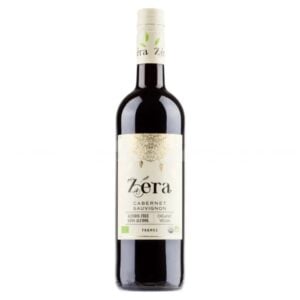 -5,20 zł


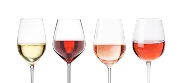
Non-alcoholic wine lets you enjoy the taste of wine without the alcohol – at a family lunch, a get-together with friends, when you are driving, training or simply want to cut down. Modern alcohol-free wines are no longer sweet grape juices, but real wines made from recognised grape varieties, from which the alcohol has been removed after fermentation. In this category you will find non-alcoholic red, white, rosé and sparkling wine – in dry, semi-sweet and sweet versions. Use the filters to narrow your choice by colour, taste and price.
What is non-alcoholic wine?
Non-alcoholic (dealcoholised) wine is made exactly like traditional wine: from grapes that are fermented and matured. Only the finished wine goes through dealcoholisation, which removes the alcohol while preserving as much aroma, colour and structure as possible. This is what distinguishes it from wine-like drinks and grape juice, which have never been fermented.
Does non-alcoholic wine contain alcohol?
Under EU rules, dealcoholised wine may contain a maximum of 0.5% alcohol. Wines labelled 0.0% contain even less – usually below 0.05%, which is about as much as naturally occurs in ripe fruit or juices. You will also find partially dealcoholised wines with a few percent of alcohol. Always check the alcohol content on the label before buying.
| Label | Alcohol content |
|---|---|
| 0.0% / alcohol-free | trace, usually below 0.05% |
| Non-alcoholic (dealcoholised) wine | up to 0.5% |
| Partially dealcoholised wine | above 0.5%, below the minimum for the wine category |
| Traditional wine | usually 9–15% |
How is non-alcoholic wine made?
The biggest challenge in making alcohol-free wine is removing the ethanol without losing the aromas. Producers use three main methods:
- Vacuum distillation – lowering the pressure allows alcohol to evaporate at a low temperature (around 30°C), so the wine does not “cook” and keeps its aromas.
- Spinning cone column – the delicate aromas are captured first, then the alcohol is removed, and finally the aromas are returned to the wine.
- Reverse osmosis – the wine passes through a very fine membrane that separates alcohol and water from the other components.
Because alcohol contributes to a wine’s “body”, some producers add a small amount of unfermented grape must to balance the taste. That is why it is worth checking the ingredients and sugar content on the label.
Types of non-alcoholic wine
Non-alcoholic red wine
Non-alcoholic red wine is most often made from Merlot, Cabernet Sauvignon, Tempranillo and Shiraz. It has aromas of red and dark fruit, but usually a lighter structure than traditional wine. It works well with pasta, pizza, poultry and barbecue dishes. See also red wine.
Non-alcoholic white wine
Alcohol-free white wines are most often crisp Sauvignon Blanc, Chardonnay and Riesling – fruity, with aromas of citrus, apple and peach. Dealcoholisation works best with white wines, which is why they are often the most successful non-alcoholic wines. Ideal with fish, salads and as an aperitif.
Non-alcoholic sparkling wine
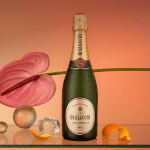
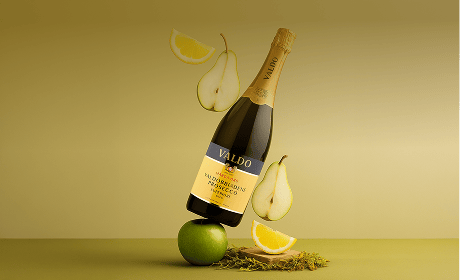
Non-alcoholic sparkling wine is the most popular choice for a toast – at weddings, birthdays, New Year’s Eve or baby showers. The bubbles mask the absence of alcohol very well, so the taste is very close to traditional prosecco or cava. See also sparkling wines and wedding wine.
Non-alcoholic rosé wine
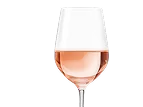
Light and fruity, with aromas of strawberries and raspberries – great for summer, picnics and light snacks.
Dry, semi-sweet and sweet non-alcoholic wine
Like traditional wines, non-alcoholic wines come in different sweetness levels. Dry non-alcoholic wine has the least sugar and is closest to classic food wine. Semi-sweet and sweet non-alcoholic wines are fruitier and gentler – a good choice for social gatherings and desserts. If you are looking for non-alcoholic wine with no or minimal sugar, choose dry wines and check the sugar content on the label.
Non-alcoholic mulled wine
Non-alcoholic mulled wine is a warming winter drink that everyone can enjoy – including drivers. Simply heat non-alcoholic red wine (without bringing it to the boil) with orange slices, a cinnamon stick, cloves, star anise and a little honey. More inspiration and wines for mulling can be found in mulled wine.
Who is non-alcoholic wine for?
Alcohol-free wine is a good choice for drivers, active people, those who are cutting down on or giving up alcohol, and anyone who wants to enjoy the taste of wine during the day – at lunch or at a business meeting. It is also an elegant alternative at parties where some guests do not drink alcohol.
How to choose a good non-alcoholic wine
- Start with sparkling or white wine. These styles keep their flavour best after dealcoholisation and are closest to traditional wines.
- Check the alcohol content. If you want to avoid alcohol completely, choose wines labelled 0.0%.
- Pay attention to sugar. Some non-alcoholic wines are sweetened with grape must – if you prefer a dry taste, read the label.
- Go for well-known producers. More and more renowned wineries offer alcohol-free versions of their wines – often a guarantee of quality.
- Serve well chilled. A lower temperature enhances freshness and aroma. Serve white, rosé and sparkling at 6–8°C and red at 12–14°C.
You will also find the best non-alcoholic wines from our range in our best wines selection.
Non-alcoholic wine prices and buying online
The price of non-alcoholic wine depends on the dealcoholisation method, the quality of the base wine and the producer. Simple non-alcoholic wines cost about the same as everyday wines, while wines from renowned producers and premium alcohol-free sparkling wines are slightly more expensive – removing alcohol is an additional, costly production step. Wondering where to buy non-alcoholic wine? Order it from our online shop with home delivery. See also wines under PLN 50 and wine gifts.
Frequently asked questions
Is non-alcoholic wine healthy?
Non-alcoholic wine contains no alcohol (or only trace amounts) and has far fewer calories than traditional wine. It retains some of the compounds found in grapes, including polyphenols. Remember, however, that some non-alcoholic wines contain added sugar – check the ingredients on the label.
How many calories are in non-alcoholic wine?
Usually 15–35 kcal per 100 ml – 2–4 times less than traditional wine (around 80 kcal). Dry wines contain fewer calories than sweet ones.
Can I drink non-alcoholic wine when pregnant or breastfeeding?
Non-alcoholic wines may contain up to 0.5% alcohol. If you are pregnant or breastfeeding, choose products labelled 0.0% and consult your doctor or midwife.
Can I drive after drinking non-alcoholic wine?
Wines labelled 0.0% contain only trace amounts of alcohol. Wines labelled up to 0.5% contain very little alcohol, but if you are driving, the safest choice is 0.0% wine.
How long does an opened bottle of non-alcoholic wine last?
Alcohol acts as a natural preservative, so opened non-alcoholic wine does not keep as long as traditional wine. Store it tightly closed in the fridge and drink it within 2–3 days.