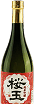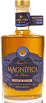






















Rice / Japanese Vodka
2 products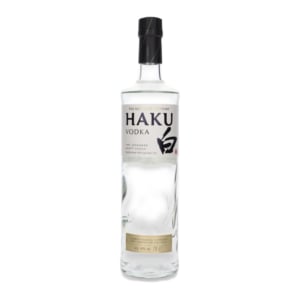
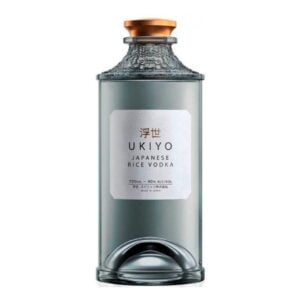
Rice Vodka — An Eastern Revolution in the World of Vodkas
Rice vodka, and particularly its Japanese variety, is one of the most fascinating and prestigious novelties on the global spirits market. This is a category that combines the ancient East Asian tradition of rice distillation with modern premium vodka production techniques, resulting in products of unparalleled smoothness, purity, and refinement. Japanese vodka has in recent years become one of the hottest trends among global connoisseurs — compared to the best Scandinavian and Polish vodkas, but with a completely unique character.
Unlike sake, which is a fermented rice beverage (technically closer to beer than vodka), Japanese vodka is a distillate with a strength of 40% or higher, produced with the utmost care characteristic of Japanese craftsmanship. It is a product that delights connoisseurs around the world — from premium bars in Tokyo and New York to sophisticated venues in Paris and Warsaw. In this article, we will comprehensively discuss the world of rice vodkas — from their history, through the best brands, to tasting methods. The Fine Spirits shop in Warsaw proudly presents carefully selected Japanese vodkas for the most demanding connoisseurs.
What Is Rice Vodka?
Rice vodka is a distillate usually with a strength of 40% or higher, produced from rice — a raw material that has been the foundation of East Asian agriculture for millennia. This is a category that combines various distilling traditions — from Japanese shōchū and awamori, through Korean soju, to modern premium vodkas produced from rice using methods similar to classic European vodka production.
Rice vodka vs. other rice alcohols — key differences:
Sake — this is not vodka, but a fermented rice beverage with a strength of 14–20%, technically closer to beer than distillates. Sake is not distilled, only fermented.
Shōchū — a Japanese rice (or other raw material) distillate with a strength of 25–45%, traditionally produced in southern Japan. Closer to vodka than sake, but has its specific character.
Awamori — a rice distillate from Okinawa, produced from long-grain Indian rice, aged in clay jars. Characterized by a unique profile.
Soju — a Korean distillate (sometimes from rice, sometimes from other raw materials) with a strength of 15–25%, significantly weaker than classic vodka.
Premium rice vodka — a modern category, produced from rice using methods similar to classic European vodka production, with a strength of 40% or higher, with maximum emphasis on cleanness, smoothness, and a refined profile.
Main characteristics of rice vodkas:
- Strength — typically 40%, premium editions sometimes 45–50%
- Character — exceptionally smooth, creamy, with subtle notes of rice grain
- Taste — clean, delicately sweet, mineral, sometimes with light floral or umami notes
- Texture — smooth, oily, almost silky
- Color — crystal clear
A Brief History of Rice Distillation
The tradition of rice distillation in East Asia reaches back over a thousand years. Although China claims primacy in the distillation of baijiu (Chinese rice distillate), it is Japan that has developed this art to the highest level of refinement.
The roots of Japanese distillation reach back to the 15th century, when distillation techniques arrived in Japan from Thailand via Okinawa. It was then that awamori began to be produced — the first Japanese rice distillate, which to this day is the pride of Okinawa.
The development of shōchū (16th–19th centuries) — rice distillation spread to the rest of Japan, especially to the southern island of Kyushu. Classic styles of shōchū from rice, barley, sweet potatoes, and other raw materials emerged.
The modern era of premium rice vodkas (20th–21st centuries) — the global popularity of Japanese culture (sushi, anime, design) and the success of Japanese whiskies created the ground for a new category — premium rice vodka. Japanese producers began applying modern European vodka production techniques to traditional raw materials. Brands such as Haku, Suntory, and smaller craft distilleries created an entirely new category — Japanese vodka of world class.
The 21st-century boom — Japanese vodka has become a global trend since around 2015. The success of Japanese whisky (Yamazaki, Hibiki, Hakushu) opened the global market to other premium Japanese alcohols. Today, Japanese vodka is one of the fastest-growing segments of the premium market in the world.
The Most Famous Japanese Rice Vodka Brands
The world of Japanese premium vodkas has several recognized icons — brands that set the global standards for the category.
Haku Vodka
Undoubtedly the most famous Japanese vodka in the world. Produced by Suntory — one of the most respected alcohol companies in Japan. Haku (Japanese for "white") is produced from Japanese Yamada Nishiki rice — the same used in producing the best premium sake. An exceptionally smooth, creamy character with subtle notes of fresh rice, light umami, and mineral cleanness. Filtered through bamboo charcoal — which adds a subtle note of Eastern elegance. Ideal for premium cocktails and solo tasting.
Nikka Coffey Vodka
Nikka — a legendary Japanese distillery known for premium whiskies — also produces excellent vodka. Coffey Vodka is distilled in the famous Coffey columns (the same ones used for Coffey Grain whisky). It is created from a blend of rice and corn, which gives an exceptional smoothness and creamy character. A rich, slightly sweet profile, with notes of grain and delicate vanilla.
Kanpai Sushi Vodka
A British brand specializing in the Japanese style of production, using Japanese rice and Japanese techniques. This is a "Japanese in spirit" vodka produced in Great Britain — an interesting item for those seeking the Japanese style at a more accessible price.
Iichiko Saiten
Although technically a high-quality shōchū (45%), Iichiko Saiten is often presented as premium Japanese vodka in Western markets. Produced from barley (not rice), but in the traditional Japanese distillation style. Premium class, high smoothness, clean profile.
Komasa Genshu Ryōzō
Traditional high-quality rice shōchū from southern Japan. Strong (40%+), full-bodied, for those who value authentic Japanese distilling traditions.
Sasakawa
Premium Japanese vodka from a smaller craft distillery. Produced from Japanese rice from a specific region, characterized by a particularly elegant, mineral profile.
Polish and European Vodkas in Japanese Style
More and more European producers are experimenting with the Japanese style of rice vodka production. Although authentic Japanese vodkas are irreplaceable, these editions offer interesting alternatives at more accessible prices.
What Distinguishes Japanese Rice Vodka?
Japanese vodka differs from European ones (Polish, Russian, French) in several important ways.
Raw Material — Yamada Nishiki Rice
Premium Japanese vodkas use the best rice — Yamada Nishiki, known as the "king of sake rice." This is a variety with special properties: large grains, low protein content, high starch content. It gives the vodka an exceptionally clean, delicate character — without the sharp notes typical of some European grain vodkas.
"Kodawari" Production Philosophy
"Kodawari" is a Japanese word meaning uncompromising pursuit of perfection. Japanese producers approach vodka production with the same care with which they produce sake or whisky — with attention to the smallest details. Every stage — rice selection, grain polishing, fermentation, distillation, filtration — is perfectly controlled.
Filtration Through Bamboo Charcoal
Classic Japanese filtration uses bamboo charcoal — a natural material with special purifying properties. This is a technique known from Japanese cuisine (e.g., in tofu production) and gives the vodka an exceptional smoothness.
Water from Japanese Springs
Water quality is of enormous importance. Japanese producers use water from local sources — often with a specific mineral profile, known from sake production. Soft Japanese water gives the vodka exceptional delicacy.
Rice Polishing (Seimaibuai)
The tradition of polishing rice — removing the outer layers of the grain to achieve a cleaner character — is characteristic of Japanese sake production and carries over to premium vodka production. The higher the degree of polishing, the cleaner and more delicate the vodka.
Traditional Distillation
Many Japanese vodkas are still produced on a small scale, in classic copper pot stills or characteristic Coffey columns. This allows preserving the character of the raw material.
Japanese Vodka in Cocktails
Japanese rice vodka, thanks to its exceptional smoothness and cleanness, works excellently in premium cocktails. Its delicate character allows other ingredients to fully express themselves.
Haku Highball
A classic Japanese drink: 50 ml Haku Vodka, 150 ml high-quality tonic (preferably Fever-Tree Mediterranean), lemon peel, ice. Simple, elegant, Japanese minimalist aesthetics in a glass.
Sushi Bar Martini
A Japanese twist on the classic Martini: 60 ml Japanese rice vodka, 10 ml Japanese vermouth (Ki Noh Bi or Choya), yuzu peel, optionally a thin slice of cucumber.
Wabi-Sabi Sour
An elegant cocktail: 50 ml Japanese vodka, 25 ml yuzu juice (or lime), 15 ml syrup from Japanese shiso leaves, 10 ml egg white. Shake with ice, strain into a coupe glass.
Tokyo Mule
A Japanese version of Moscow Mule: 50 ml Japanese vodka, 100 ml Japanese ginger beer (or classic), fresh yuzu juice, a slice of fresh ginger. In a copper mug with ice.
Cherry Blossom Martini
A spring twist: 50 ml Japanese rice vodka, 20 ml floral liqueur (e.g., Lillet Blanc), 10 ml sakura syrup, a drop of pink food coloring. An aesthetic, delicate cocktail.
Umami Bloody Mary
A Japanese version of Bloody Mary: 50 ml Japanese vodka, 150 ml tomato juice with the addition of shiitake mushroom juice (or dashi consommé), soy sauce instead of Worcestershire, wasabi instead of Tabasco, yukushio salt.
Ginger Yuzu Refresher
A summer mocktail with premium: 50 ml Japanese vodka, 30 ml yuzu juice, 100 ml Japanese ginger beer, fresh mint, a slice of yuzu.
Sakura Spritz
A spring aperitif: 40 ml Japanese vodka, 20 ml sakura syrup, 100 ml prosecco or non-alcoholic sparkling wine, a small sakura blossom as decoration.
Matcha Martini
For lovers of Japanese tea: 40 ml Japanese vodka, 30 ml coconut milk, 1 teaspoon of matcha powder, 15 ml sugar syrup. Shake vigorously with ice.
The Art of Tasting Japanese Vodka
Premium Japanese rice vodka deserves exceptionally conscious tasting — perhaps even more so than classic European vodkas, due to the subtlety of its profile.
Temperature — Japanese premium vodkas taste best at slightly chilled temperature (10–15°C) or even room temperature (18–22°C). Too cold a vodka dampens the delicate rice and mineral notes that are the essence of this category. The Scandinavian custom of "freezing" vodka absolutely does not work with Japanese editions.
Glass — Japanese tradition prefers simple, elegant glasses — preferably small "guinomi" glasses (Japanese glasses for premium sake) or classic tulip glasses. Avoid large cocktail glasses — they blur the delicacy of the profile.
Aroma — sniff gently, from a distance. In premium Japanese vodka, you should sense: fresh rice, light floral notes (sometimes reminiscent of sakura), minerality, sometimes subtle umami. The aroma should be clean, low-alcohol in the first impression, with depth developing gradually.
Taste — take a very small sip, letting the vodka spread across the entire tongue. Identify: smoothness of texture (it should be almost silky), the delicate sweetness of rice, mineral notes of water, possible floral or nutty notes. Premium Japanese vodka should not burn — it should "caress" the palate.
Finish — Japanese vodka leaves a long, clean, delicate aftertaste. It is in the finish that the uniqueness of a particular distillery often reveals itself.
Pairing with Japanese cuisine — rice vodka pairs beautifully with Japanese food. Sushi, sashimi, tempura, gyoza, ramen — everything benefits from combination with premium Japanese vodka. The vodka does not compete with the subtle Japanese flavors but rather highlights them.
How to Choose a Good Japanese Vodka?
Authenticity of production — look for vodkas produced in Japan from Japanese raw materials. Labels "Made in Japan," "Japanese rice," "Japanese craftsmanship" are signs of authenticity. Some "Japanese-style" vodkas are produced in other countries — this is not the same.
Type of rice — premium editions use specific rice varieties (most often Yamada Nishiki or Gohyakumangoku). This is information that should be on the label of premium items.
Producer reputation — Suntory, Nikka, smaller craft distilleries — these are guarantees of quality. Less-known brands require verification.
Distillation method — information about classic pot still distillation or specialized column (Coffey) speaks to quality.
Price — authentic premium Japanese vodkas are expensive. Remember — these are products made in small batches, from the best Japanese raw materials, with the highest care. A price of 200–400 PLN for a bottle of premium Japanese vodka is justified by the quality.
Packaging — Japanese producers are famous for aesthetic, designer bottles. Elegant, minimalist packaging often reflects the quality of the contents.
Japanese Vodka as a Gift
Japanese rice vodka is an exceptionally elegant gift — especially for:
- Lovers of Japanese culture and cuisine
- Connoisseurs of premium vodkas looking for something new
- Those who value refinement and quality over quantity
- Lovers of Japanese whisky who want to broaden their horizons
- Business partners — Japanese vodka communicates refinement and global taste
Excellent gift propositions:
- Haku Vodka in a designer bottle — Japanese classic in elegant packaging
- Nikka Coffey Vodka — premium item from a legendary whisky distillery
- Japanese vodka + guinomi glasses set — complete tasting experience
- Japanese vodka + premium Fever-Tree tonic — ready for Highball
- Collector's Suntory edition — for the most demanding recipients
- Komasa Genshu Ryōzō (premium shōchū) — alternative for lovers of authentic Japanese tradition
Elegant Japanese packaging, a wooden case, and a dedication card elevate the rank of the gift.
The Most Common Mistakes When Buying Japanese Vodka
Confusing it with sake — Japanese vodka and sake are completely different categories. Sake is a fermented beverage at 14–20%, vodka is a distillate at 40%+. Pay attention to labels.
Confusing it with shōchū and soju — these are different, though related, categories. Shōchū is a Japanese distillate (sometimes from rice) at 25–45%, soju is a Korean distillate usually weaker. Premium Japanese vodka is usually 40%+ and positioned as vodka.
Chilling in the freezer — this is a disaster for premium Japanese vodka. Too low a temperature completely dampens the delicate rice profile. Slightly chilled or at room temperature — that is optimal.
Using in mass cocktails — Haku Vodka in cheap cola is absolute waste. Premium Japanese vodkas deserve cocktails with good ingredients or solo tasting.
Being guided only by exoticism — not every bottle "with Japanese characters" is authentic Japanese vodka. Check the producer, country of production, raw materials.
Lack of advice — Japanese vodka is a specialty category. A specialty shop, such as Fine Spirits, offers expert advice that helps avoid mistakes and choose the perfect item.
Rice Vodka Price — Overview of Price Ranges
Rice vodka up to 150 PLN — the basic segment: rarely encountered in the case of authentic Japanese vodkas. Cheaper items are usually more mid-range shōchū or European vodkas in Japanese style.
Rice vodka up to 250 PLN — the middle shelf: Haku Vodka, basic Nikka editions, better premium shōchū. These are items that represent the authentic Japanese style at an accessible price.
Rice vodka up to 400 PLN — the premium segment: Nikka Coffey Vodka, higher-class Suntory editions, premium shōchū with polished rice.
Rice vodka over 400 PLN — super-premium and collector's: limited editions of renowned Japanese distilleries, craft single-rice items, exclusive editions from small Japanese distilleries.
Japanese vodkas are generally more expensive than their European counterparts — this results from several factors: raw material quality (premium rice is expensive), traditional craft production in small batches, import costs, and the prestige of Japanese brands.
Fine Spirits — Japanese Vodka in Warsaw
Fine Spirits is a shop that actively follows global trends in premium spirits. Japanese vodka — as a dynamically developing category combining prestige, quality, and exoticism — holds a special place in our assortment.
The Fine Spirits assortment includes carefully selected Japanese rice vodkas — from the flagship Haku Vodka, through Nikka Coffey Vodka, to rarer premium shōchū and limited editions. Every bottle comes from a legal, verified source, from direct cooperation with importers of premium Japanese alcohols.
Experienced Fine Spirits advisors are enthusiasts of Japanese alcohol culture. They know the differences between various types of Japanese distillates (vodka, shōchū, awamori, sake), can advise which Japanese vodka to choose for a specific cocktail or occasion, how to properly taste it, and what to pair it with culinarily. They will help you choose the perfect Japanese vodka — whether you are looking for an item for an important gift, for a personal premium collection, or for an exceptional Japanese culinary evening.
Fine Spirits welcomes you both to its stationary salon in central Warsaw and to its online shop available at any time. For Japanese vodka customers, we also offer professional gift packaging (with Japanese aesthetics), dedication cards, and recipes for cocktails with Japanese vodkas, as well as pairing advice with Japanese cuisine.
FAQ — Frequently Asked Questions About Japanese Rice Vodka
How exactly does Japanese vodka differ from sake?
These are two completely different categories. Sake is a fermented rice beverage at 14–20%, technically closer to beer — it is not distilled. Japanese vodka is a distillate at 40%+, produced from rice using a method similar to classic European vodka production. Sake is delicate, slightly fruity-floral, served warm or cold. Japanese vodka is stronger, cleaner, smoother, for cocktails and tasting at room temperature.
Does Japanese vodka have a specific rice flavor?
Yes, but it is subtle. In premium Japanese vodka, you can sense delicate notes of fresh rice, light umami, and the minerality of water. This is not a dominant flavor — rather a background on which elegant cleanness is built. This is a difference compared to Polish potato vodka, where potato is more pronounced, or rye, where rye gives a peppery character.
Is Haku Vodka the best Japanese vodka?
Haku Vodka by Suntory is undoubtedly the most popular and most recognizable Japanese vodka in the world. It is also of excellent quality — smooth, clean, authentically Japanese. Is it "the best"? It is a matter of preference. Nikka Coffey Vodka offers a more creamy character, smaller craft editions may delight with niche profiles. Haku is the best choice to start your adventure with the category.
Is Japanese vodka more expensive than European?
Yes, significantly. Authentic premium Japanese vodka costs 200–400 PLN and more. This results from several factors: the high quality of Japanese rice (Yamada Nishiki is an expensive raw material), traditional craft production in small batches, import costs, taxes, and the prestige of Japanese brands. But the quality justifies the price — these are authentically premium products.
Is Japanese vodka good for cocktails?
Excellent — especially for premium cocktails with clean, elegant profiles. Haku Highball (with good tonic), Sushi Bar Martini, Tokyo Mule, Wabi-Sabi Sour — these are classics in which Japanese vodka beautifully expresses itself. Avoid, however, mass cocktails with cheap juices or sweets — this is waste of the subtle character.
What rice is used in Japanese vodka?
Premium Japanese vodkas use the best rice varieties, most often Yamada Nishiki — a variety known as the "king of sake rice." It has large grains, low protein content, high starch content, which gives the vodka an exceptionally clean, delicate character. Other varieties used include Gohyakumangoku and Omachi. Cheaper editions may use blends of various rices.
Does Japanese vodka pair with Polish cuisine?
Yes, although it is traditionally associated with Japanese cuisine. Premium Japanese vodka, due to its cleanness and delicacy, pairs beautifully with many cuisines — especially with light dishes, seafood, sushi (of course), but also with Polish appetizers such as herring or steak tartare. Experiment — this is a vodka that delights in unexpected combinations.
Can I find Polish vodka "in Japanese style"?
Yes, although the category is still rare. Some European producers (mainly British and German) experiment with the Japanese style of rice vodka production. The Polish market is just beginning to explore this niche. Authentic Japanese vodkas, however, are still irreplaceable — they set the standard.
How long can an opened bottle of Japanese vodka be stored?
Similar to other premium vodkas — very long. Vodka, due to its high alcohol content, practically does not age in the bottle. An opened bottle can be stored for years, provided it is well-corked and kept in a cool, dark place. Premium Japanese vodkas are best kept upright, away from heat sources and sunlight.
Where to buy authentic Japanese vodka in Warsaw?
In specialty premium alcohol shops. Fine Spirits in Warsaw is one of the few addresses offering a full range of authentic Japanese rice vodkas — from Haku Vodka, through Nikka, to rare limited editions. Direct cooperation with importers of Japanese alcohols guarantees authenticity, freshness, and proper storage conditions. For lovers of Japanese alcohol culture, this is the best place in the capital.
Summary
Rice vodka, and particularly its Japanese variety, is a fascinating category combining ancient East Asian distillation tradition with modern premium vodka production craftsmanship. This is a category in which the Japanese philosophy of "kodawari" — the uncompromising pursuit of perfection — yields products of smoothness, cleanness, and subtlety unparalleled in European vodkas.
Haku Vodka by Suntory, Nikka Coffey Vodka, premium shōchū from Japanese craft distilleries — these are bottles that redefine what "premium vodka" can mean. The delicate notes of Yamada Nishiki rice, filtration through bamboo charcoal, water from Japanese springs, grain polishing to perfection — all this adds up to products that delight even the most demanding connoisseurs.
When choosing Japanese vodka, you choose not just an alcohol — you choose a piece of Japanese culture, philosophy, and craftsmanship. This is a vodka ideal for premium cocktails (Haku Highball, Tokyo Mule), for solo tasting in a guinomi glass, for pairing with Japanese cuisine, or as an exceptional element of a home premium alcohol collection.
And if you are looking for the best place to buy Japanese vodka in Warsaw — Fine Spirits welcomes you to its stationary shop and online. With expert advice, the certainty of authenticity from direct cooperation with importers of premium Japanese alcohols, and a carefully selected assortment of the best brands, you will find here exactly what suits your preferences, occasion, and budget.
Kanpai — cheers in Japanese!