










Portuguese Wine
12 products
 -9,20 zł
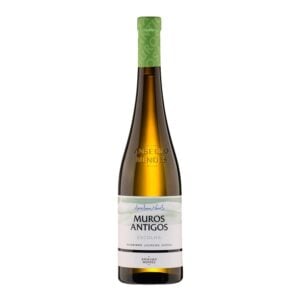 -5,60 zł


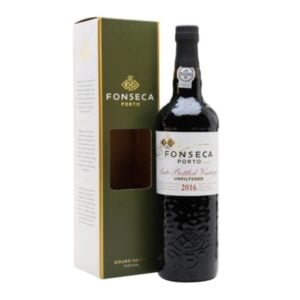 -15,20 zł

Portugal is a country with an exceptionally rich wine heritage – with over 250 native grape varieties you will not find anywhere else. Portuguese wine means light, refreshing Vinho Verde from the green north, full, structured reds from the Douro Valley and Alentejo, and above all the famous fortified wines: port and Madeira. In this category you will find wines from Portugal’s most important regions. Use the filters to choose by region, colour, taste and price.
Strong Portuguese wine – port
Port is the most famous strong Portuguese wine and one of the best-known fortified wines in the world. It is made in the Douro Valley from native grapes, including Touriga Nacional, Touriga Franca and Tinta Roriz. During fermentation, grape spirit is added to stop it – so port keeps its natural sweetness and has around 19–22% alcohol. It is traditionally aged in the cellars of Vila Nova de Gaia, across the river from the city of Porto.
Types of port
| Style | How it is made | Character |
|---|---|---|
| Ruby | short ageing in large vats | young, fruity, ruby-coloured; cherry, blackberry |
| Tawny | long ageing in small barrels; often with an age statement (10, 20, 30, 40 years) | amber, nutty, caramel, dried fruit |
| LBV (Late Bottled Vintage) | wine from a single vintage, bottled after 4–6 years | full, fruity, ready to drink |
| Vintage | wine from exceptional, declared vintages | the top tier; ages in bottle for decades |
| White port | from white grapes; from dry to sweet | great as an aperitif, with tonic |
| Rosé port | short skin contact | fruity, light, for cocktails |
Serve ruby and LBV port at 16–18°C with blue cheeses and chocolate desserts, tawny slightly chilled (12–14°C) with nut and caramel desserts, and white port well chilled, on its own or with tonic. Opened ruby and tawny port stays fresh for several weeks. Find more sweet wines in sweet and dessert wines.
Madeira
Madeira wine comes from the Portuguese island of Madeira in the Atlantic. It is a fortified wine that is deliberately heated and oxidised during production – which makes it extraordinarily durable; once opened it can last for months. Its style depends on the grape: Sercial is dry, Verdelho semi-dry, Bual semi-sweet and Malvasia (Malmsey) sweet. Labels often state the wine’s age, e.g. 5-year-old, 10-year-old or 15-year-old Madeira. Madeira has aromas of caramel, nuts, dried fruit and coffee, plus a vibrant acidity.
Vinho Verde – green wine from Portugal
Vinho Verde means “green wine”, but the name refers not to its colour but to the wine’s youth and to the green, rainy Minho region in northern Portugal. It is a light, crisp wine with low alcohol (often 9–11%), often with a gentle spritz. It is made mainly from Alvarinho, Loureiro and Arinto. Most Vinho Verde is white, but rosé and red versions exist too. Serve it well chilled (6–8°C) – perfect for summer, with fish, seafood and salads. See also dry white wine.
Other Portuguese wine regions
- Douro – besides port, the region produces increasingly prized dry red wines from the same grapes: full, fruity, with notes of violet and dark fruit. The steep terraced vineyards above the Douro River are a UNESCO World Heritage site.
- Alentejo – the sunny south of the country, a source of soft, fruity red wines at great prices.
- Dão – a mountainous region in central Portugal, with elegant wines from Touriga Nacional.
- Bairrada – wines from the Baga grape and sparkling wines.
- Lisbon and Tejo – fruity, affordable everyday wines.
How to choose a good Portuguese wine
- For summer and fish – Vinho Verde or white Alvarinho.
- For meat and barbecues – red wine from the Douro or Alentejo.
- For dessert and cheese – ruby, LBV or tawny port.
- As a gift – 10- or 20-year-old tawny port, vintage port or an aged Madeira. See wine gifts and premium wines.
Frequently asked questions
What is strong Portuguese wine called?
The most famous strong Portuguese wines are port from the Douro Valley and Madeira from the island of Madeira. These are fortified wines, i.e. wines with added grape spirit.
What is the difference between ruby and tawny port?
Ruby is young, fruity and ruby-coloured, while tawny is aged longer in small barrels – it has an amber colour and nutty, caramel aromas.
Is Vinho Verde a green wine?
The name means “green wine”, but it refers to the wine’s youth and the green Minho region. The wine itself is usually white, more rarely rosé or red.
How much does port cost?
Ruby port is affordable, LBV and 10-year-old tawny are mid-range, while vintage port and old tawnies are premium wines.
Explore our selection of Portuguese wines. Alcohol is sold only to persons aged 18 and over.