






German Wine
17 products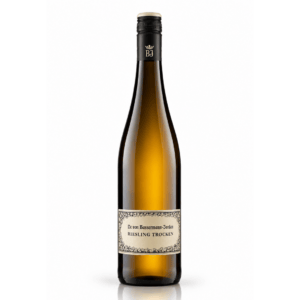
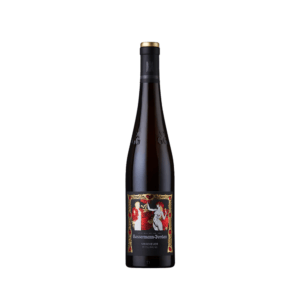
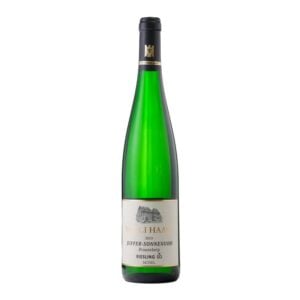 -15,90 zł
 -12,00 zł


Germany is the land of Riesling – a grape many critics consider the noblest white variety in the world. Its vineyards lie at the limit of where vines can grow, often on steep slate slopes above rivers, and the cool climate produces wines of exceptional freshness, acidity and aroma with low alcohol. But German wine is not just Riesling: it also means Liebfraumilch, red Dornfelder and Spätburgunder, sparkling Sekt and legendary ice wine. In this category you will find wines from Germany’s most important regions.
How to read a German wine label
German labels can seem complicated, but a few words are enough to understand the style of the wine.
Sweetness: trocken, halbtrocken, lieblich
| Term | In English | Character |
|---|---|---|
| Trocken | dry | no perceptible sweetness, crisp |
| Halbtrocken / Feinherb | semi-dry / off-dry | delicate sweetness balanced by acidity |
| Lieblich | semi-sweet | clear, fruity sweetness |
| Süß / Edelsüß | sweet | dessert wines |
See also dry wine, semi-dry wine and semi-sweet white wine.
Prädikatswein classification
Germany’s finest wines are classified by the ripeness of the grapes at harvest:
| Prädikat | What it means | Style |
|---|---|---|
| Kabinett | grapes harvested at the normal time | light, delicate, low alcohol |
| Spätlese | late harvest | fuller, riper; dry or semi-sweet |
| Auslese | selected, very ripe bunches | intense, often sweet |
| Beerenauslese | individually selected berries, often with noble rot | sweet, dessert-style |
| Trockenbeerenauslese | berries shrivelled by noble rot | very sweet, rare and precious |
| Eiswein | grapes harvested frozen | ice wine – sweet, concentrated |
Spätlese does not always mean a sweet wine – the term refers to grape ripeness, and sweetness is indicated by an additional term, e.g. Spätlese trocken. See sweet and dessert wines.
German wine regions
Mosel – Mosel wine
The Mosel is Germany’s best-known region. On steep slate slopes above the winding river, light, mineral, low-alcohol Rieslings are made, with aromas of green apple, peach and citrus. Mosel wine is famous both for crisp dry wines and for delicately sweet Kabinett and Spätlese (often labelled lieblich).
Rhine – Rhine wine
Rhine wine is the traditional name for wines from along the Rhine – the great river that gave its name to several regions. The Rheingau is famous for elegant, structured Rieslings, Rheinhessen is Germany’s largest wine region, and the Pfalz (Palatinate) is a warm region of fuller white and red wines. Dry white Rhine wine is most often Riesling trocken.
Other regions
Nahe, Franken (Franconia – wines in distinctive flat Bocksbeutel bottles), Baden in the south (the warmest region, home of Spätburgunder) and Ahr – a small region of red wines.
Germany’s most important grapes and wines
Riesling
Germany has the largest Riesling plantings in the world. The grape produces wines in every style – from dry to sweet – always with vibrant acidity. See the full range in Riesling.
Liebfraumilch
Liebfraumilch is one of the best-known German wines in the world. It is not a brand but a legally defined style: a semi-sweet, gentle white wine from Rheinhessen, Pfalz, Rheingau or Nahe, made mainly from Müller-Thurgau, Silvaner, Kerner and Riesling. The name (“Our Lady’s milk”) comes from the vineyards by the Church of Our Lady in Worms. Liebfraumilch is fruity, light and affordable – a good choice for starting your wine journey.
Dornfelder and Spätburgunder
Among red wines, the most popular is Dornfelder – soft, fruity, deep in colour, with aromas of cherry and blackberry, often in a semi-sweet version. Spätburgunder is the German name for Pinot Noir – Germany is one of the world’s largest producers of this grape, and the best wines from Baden and Ahr are elegant and fruity.
Other white grapes
Silvaner, Müller-Thurgau, Grauburgunder (Pinot Gris), Weissburgunder (Pinot Blanc) and Gewürztraminer complete the rich palette of German white wines.
Ice wine (Eiswein)
Ice wine is one of the most remarkable and precious wine styles. The grapes are left on the vine until the first hard frosts (at least –7°C), harvested at night or at dawn while frozen, and pressed immediately. The water stays behind as ice crystals, and only a small amount of very concentrated, sweet juice flows from the press. The result is a sweet wine with intense aromas of apricot, peach, honey and citrus, and high acidity that balances the sweetness. Because of the risk and very low yields, ice wine is expensive and usually sold in small bottles (375 ml). Outside Germany it is also made in Austria and Canada (Icewine). Serve it chilled to 6–8°C with fruit desserts, foie gras or blue cheeses.
German sparkling and mulled wine
Sekt is German sparkling wine – the best, often made from Riesling, is produced by the traditional method. See sparkling wine. Germany is also the home of Glühwein, or mulled wine with spices – see mulled wine.
How to choose a good German wine
- For fish, seafood and Asian cuisine – Riesling trocken or Kabinett from the Mosel.
- For starting your wine journey – gentle Liebfraumilch or Riesling lieblich.
- For meat – Spätburgunder from Baden or fruity Dornfelder.
- For dessert and as a gift – Auslese, Beerenauslese or ice wine. See wine gifts.
Frequently asked questions
What does “trocken” mean on a wine bottle?
Trocken is German for “dry” – a wine with no perceptible sweetness. “Halbtrocken” means semi-dry, and “lieblich” semi-sweet.
Is Liebfraumilch a brand?
No. It is a legally defined style of semi-sweet white wine from four regions along the Rhine, made by many producers.
How much does ice wine cost?
Ice wine is one of the more expensive wines due to its very low yield and production risk. It is usually sold in 375 ml bottles and costs more than typical dessert wines.
Why are German wines named after rivers?
Germany’s main wine regions lie along rivers – hence traditional names such as Rhine wine and Mosel wine, after the rivers above which the vineyards grow.
Explore our selection of German wines. Alcohol is sold only to persons aged 18 and over.