






Rosé Wine
25 products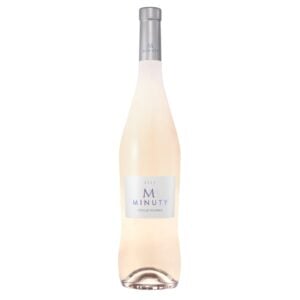 -10,80 zł
Rosé wine is one of the most versatile wine styles. It is as refreshing as white wine, yet as fruity and expressive as a light red. It is perfect for a summer aperitif, a picnic, a barbecue or a light lunch – but well worth enjoying all year round. In this category you will find dry, semi-dry, semi-sweet and sweet rosé, as well as sparkling rosé from the world’s most important regions. Below we explain how rosé wine is made and how to choose the right bottle.
How is rosé wine made?
Rosé is made from dark-skinned grapes, but – unlike red wine – the must stays in contact with the skins only briefly. Winemakers use three main methods:
- Short maceration – the must stays with the skins for a few hours up to a day or two, then is separated and fermented like white wine. This is the most common method.
- Direct pressing – the grapes are pressed immediately after harvest, so the juice takes on only a delicate tint. This produces very pale, elegant Provence-style wines.
- Saignée (bleeding off) – some juice is “bled off” from a tank in which red wine is being made. This gives rosé a deeper colour and flavour.
Contrary to popular belief, still rosé is not made by blending white and red wine – in the European Union this practice is generally not permitted. The exception is some sparkling wines, such as rosé champagne.
The colour of rosé wine
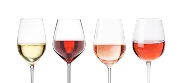
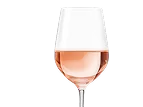
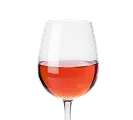
The colour palette of rosé is very broad: from the pale salmon shade typical of Provence, through rose-petal pink, to intense raspberry or cherry. The colour depends on the grape variety and the length of skin contact. Remember that colour says nothing about sweetness – a very pale wine can be dry and a darker one semi-sweet. The label tells you the style.
Types of rosé wine by sweetness
Dry rosé wine
Dry rosé is crisp and mineral, with notes of strawberries, raspberries, wild strawberries and citrus peel. This is the style that made Provence famous, along with Navarra in Spain and Abruzzo in Italy. A good dry rosé is excellent with food. See also dry wines.
Semi-dry rosé wine
Semi-dry rosé has a slight sweetness that enhances the fruit without dominating. It is a good compromise for those who find dry wines too acidic. See semi-dry wines.
Semi-sweet and sweet rosé wine
Semi-sweet rosé is one of the most popular styles for social gatherings – fruity, gentle and easy to enjoy. A good example is Rosé d’Anjou from the Loire Valley. Sweet rosé includes aromatic Muscat-based wines in a rosé version, ideal with desserts. More in semi-sweet wines and sweet wines.
Sparkling rosé
Sparkling rosé combines the freshness of bubbles with the fruity character of rosé. Try rosé champagne, Spanish cava rosado or prosecco rosé. See sparkling wines, prosecco and champagne and cava.
The most important rosé regions
France
Provence is the world capital of rosé, producing pale, dry and elegant wines from blends of Grenache, Cinsault, Syrah and Mourvèdre. The Rhône Valley gives us the fuller, darker Tavel, and the Loire Valley the gentle Rosé d’Anjou. See French wines.
Italy
Italian rosé wines are called rosato. Look out for Cerasuolo d’Abruzzo made from Montepulciano – with an intense cherry colour – and light Chiaretto from Lake Garda. Explore Italian wines.
Spain and other countries
Spanish rosado, especially from Navarra and Rioja, is made mainly from Garnacha and delights with its fruitiness at an affordable price. Interesting rosé wines are also produced in Portugal, Greece and Poland. See Spanish wines.
How to choose a good rosé wine
- Choose the sweetness level. Dry rosé works best with food, semi-sweet for aperitifs and desserts.
- Go for young vintages. Most rosé wines taste best within 1–2 years of harvest, when they are freshest. Fuller wines such as Tavel and Bandol are the exception.
- Do not judge by colour alone. Paleness is not a sign of quality or dryness – it is a matter of style and region.
- Match the wine to the occasion. Sparkling rosé is perfect for a party, dry Provence rosé for dinner, and an elegant bottle from a renowned producer as a gift.
You will also find tried-and-tested picks in our best wines selection.
Rosé wine food pairing
Rosé is one of the most food-friendly wines. Dry rosé pairs beautifully with Mediterranean cuisine: salads, grilled vegetables, fish, seafood, tuna and salmon. It also works with sushi, pizza, tapas, poultry and light barbecue dishes. Serve semi-sweet rosé with strawberries, fruit desserts, cheesecake or mildly spicy dishes. It is also an excellent base for summer spritzes and wine cocktails.
How to serve rosé wine
Serve rosé well chilled: still rosé at 8–10°C and sparkling at 6–8°C. Fuller rosé wines can be served slightly warmer, at 10–12°C. White wine glasses work best, as they keep the wine cool and concentrate the aromas. Keep an opened bottle in a cooler or in the fridge. You will find suitable glassware in wine accessories.
Rosé wine prices
- Wines under PLN 50 – fruity everyday rosé, perfect for barbecues and get-togethers with friends.
- Wines under PLN 100 – good rosé wines from Provence, Italy and Spain.
- Premium wines – prestigious Provence rosé and rosé champagnes, ideal as a wine gift.
Frequently asked questions
Is rosé wine a mix of red and white wine?
No. Still rosé is made from dark grapes that have brief contact with their skins. Blending white and red wine is generally not permitted in the EU for still rosé – it is allowed, for example, for rosé champagne.
How many calories are in rosé wine?
Dry rosé contains around 75–85 kcal per 100 ml. Semi-sweet rosé usually has 90–100 kcal per 100 ml due to its higher sugar content.
How long can rosé wine be stored?
Most rosé wines are best enjoyed within 1–2 years of harvest. An opened bottle of rosé, tightly closed and kept in the fridge, stays fresh for 2–4 days.
What does rosé wine go best with?
Light Mediterranean dishes, fish, seafood, salads and barbecue food. Semi-sweet rosé is a great match for fruit desserts.
Explore our selection of rosé wine. Alcohol is sold only to persons aged 18 and over.