










Mulled Wine
0 productsMulled wine is the taste of winter – warming and aromatic, scented with orange, cinnamon and cloves. It is associated with Christmas markets, evenings by the fireplace and get-togethers with friends after a winter walk. In this category you will find wine for mulling – red and white wines that work beautifully when heated with spices – as well as ready-made mulled wine in a bottle that you simply need to warm up. Below we explain which wine to choose and how to make mulled wine at home.
Which wine is best for mulled wine?
You do not need an expensive wine for mulling – spices, fruit and honey will change its taste anyway. It is still worth choosing a wine of decent quality, as any flaws only intensify when heated. The best wine for mulled wine is:
- Red, fruity and not too tannic – Merlot, Tempranillo, Garnacha, Primitivo or Zinfandel. Strong tannins become harsh and bitter when heated, so avoid very structured, long oak-aged wines.
- Dry or semi-dry – this lets you control the sweetness yourself with honey or sugar. If you choose a semi-sweet wine, add less sweetener.
- Reasonably priced – a good everyday wine from the under PLN 50 range is perfectly sufficient.
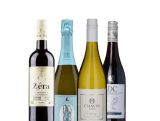
You will find suitable bottles in dry red wine, semi-sweet red wine and white wine. For larger parties, consider magnums and large formats.
How to make mulled wine – recipe
Classic mulled wine with orange and cloves takes just 15 minutes.
Ingredients (4 servings)
- 750 ml dry or semi-dry red wine
- 1 orange (sliced) and a few strips of lemon peel
- 2–3 tablespoons honey or sugar (to taste)
- 1–2 cinnamon sticks
- 5–6 cloves
- 2 star anise
- optional: a few slices of fresh ginger, 2–3 cardamom pods, a pinch of nutmeg
Method
- Pour the wine into a pan and add the orange slices, lemon peel and spices.
- Heat gently for 10–15 minutes without letting it boil. The ideal temperature is around 70°C – above 78°C alcohol starts to evaporate rapidly and the wine turns bitter.
- Towards the end, add honey or sugar and stir until dissolved. Taste and add more sweetener if needed.
- Strain and serve immediately in warm mugs, with an orange slice and a cinnamon stick.
Variations: for a stronger version, add a dash of rum, brandy or orange liqueur just before serving. Instead of orange, you can use apples, pears or cranberries.
White mulled wine
White mulled wine is a lighter, fruitier alternative to classic mulled wine. Make it with a dry or semi-dry white wine – Riesling, Pinot Grigio or unoaked Chardonnay all work well. Classic additions are pear or apple, honey, cinnamon, a slice of ginger and a sprig of rosemary or thyme. Serve white mulled wine with pear at around 60–65°C. You will find wines for white mulled wine in dry white wine and semi-sweet white wine.
Ready-made mulled wine in a bottle
If you do not have time to make your own, choose ready-made mulled wine. It is already spiced and sweetened – just heat it in a pan or microwave. The best-known style is German mulled wine, or Glühwein, without which German Christmas markets would be unthinkable. Ready-made mulled wine comes in red and white versions.
Mulled wine in other languages
In German, mulled wine is Glühwein, in French vin chaud, in Scandinavia glögg, and in Polish grzane wino or grzaniec.
How to serve mulled wine
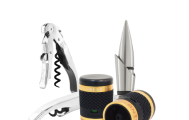
Serve mulled wine hot, at 60–70°C. Glass mugs with a handle or thick-walled ceramic mugs work best – they keep the heat longer and do not burn your hands. At a party, you can serve mulled wine from a thermos or a jug on a warmer. You will find mulled wine mugs and other accessories in wine accessories.
Mulled wine goes perfectly with gingerbread, spiced biscuits, poppy seed cake, roasted chestnuts, as well as cheese and charcuterie boards.
Non-alcoholic mulled wine
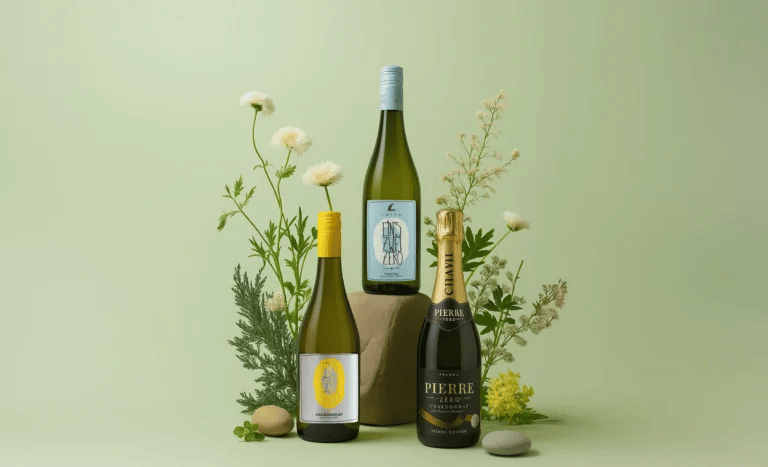
Drivers and those who do not drink alcohol can enjoy mulled wine too. Simply make it using the same recipe with non-alcoholic wine. You will find suitable wines in non-alcoholic wine.
Frequently asked questions
Does mulled wine contain alcohol?
Yes. Heating evaporates only part of the alcohol – especially if the wine is not boiled. Mulled wine therefore contains only slightly less alcohol than the wine used to make it. Drivers should choose a version made with non-alcoholic wine.
How many calories are in mulled wine?
Mulled wine with honey or sugar contains about 100 kcal per 100 ml, or about 200 kcal in a 200 ml mug. The value depends on the amount of sweetener added.
Does mulled wine help with a cold?
Mulled wine is associated with warming up, but it is not a remedy. Alcohol can increase dehydration and interact with medication, so when you have a cold it is better to reach for tea with lemon, honey and ginger, and save mulled wine for when you are well.
What is the best temperature for mulled wine?
Around 60–70°C. Do not let the wine boil – it will lose its aroma and become bitter.
Explore our selection of wine for mulling. Alcohol is sold only to persons aged 18 and over.