








Prosecco
28 products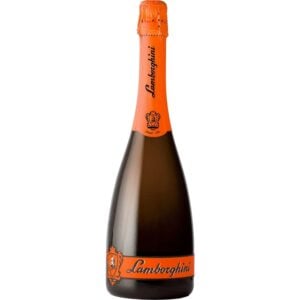 -14,50 zł
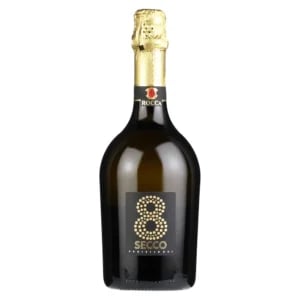
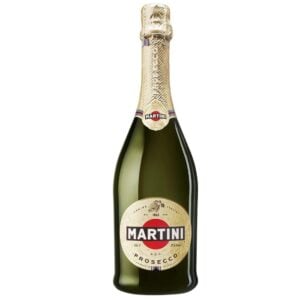
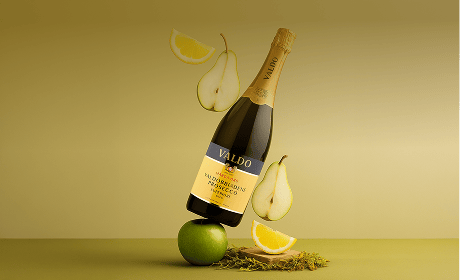
Prosecco is the most popular Italian sparkling wine and a symbol of the carefree Italian way of life. Light, fruity and refreshing, with aromas of green apple, pear, peach and acacia blossom – it is perfect as an aperitif, with snacks, at parties and as a cocktail base. In this category you will find prosecco DOC and DOCG in various styles – from dry brut to semi-sweet dry – as well as prosecco rosé. Use the filters to choose a bottle by style and price.
Is prosecco wine? What kind of wine is it?
Yes – prosecco is a white (or rosé) sparkling wine from north-eastern Italy. The name is a protected designation of origin: genuine prosecco can only be produced in a designated area of the Veneto and Friuli-Venezia Giulia regions, mainly from the Glera grape. Every prosecco is a sparkling wine, but not every sparkling wine is prosecco. Learn more about other sparkling styles in sparkling wine.
Prosecco vs champagne – what is the difference?
The key difference is the production method. Prosecco is usually made by the Charmat (tank) method – the second fermentation takes place in large, sealed tanks rather than in the bottle. As a result, the wine keeps a fresh, fruity character, has larger bubbles and is more affordable. Champagne ages in the bottle on its lees, giving finer bubbles and brioche notes. Prosecco is also usually lighter – around 11% alcohol.
Prosecco DOC and DOCG – quality designations
| Designation | What it means |
|---|---|
| Prosecco DOC | the broadest appellation, covering 9 provinces in Veneto and Friuli; fresh, fruity everyday wines |
| Prosecco Superiore DOCG Conegliano Valdobbiadene | wines from the steep hills between Conegliano and Valdobbiadene (a UNESCO World Heritage site); more complex and mineral |
| Asolo Prosecco Superiore DOCG | wines from around Asolo, similar in quality to Conegliano Valdobbiadene |
| Superiore di Cartizze DOCG | wines from the small, prized Cartizze hill; the top tier of prosecco, usually in the dry style |
| Rive | wines from individual communes or hillsides within the Conegliano Valdobbiadene zone |
The label will also say spumante (fully sparkling) or frizzante (lightly sparkling). The vast majority of prosecco is spumante.
Prosecco styles by sweetness
Prosecco comes in several sweetness styles. Beware of misleading names: “extra dry” and “dry” in sparkling wines mean wines sweeter than brut.
| Style | Residual sugar | Character |
|---|---|---|
| Extra brut | 0–6 g/l | very dry, crisp |
| Brut | below 12 g/l | dry, the most versatile |
| Extra dry | 12–17 g/l | off-dry, fruity – the classic prosecco style |
| Dry | 17–32 g/l | semi-sweet, gentle |
| Demi-sec | 32–50 g/l | sweet (rare) |
Dry and off-dry prosecco
Prosecco brut is the best choice with food and for those who like crisp, dry bubbles. Prosecco extra dry – the most popular style – has a delicate sweetness that enhances the fruit. If you are looking for an off-dry white prosecco, extra dry is the one to choose.
Semi-sweet and sweet prosecco
Semi-sweet prosecco is the dry style – gentle, fruity, ideal for desserts and parties. The sweetest prosecco is labelled demi-sec. Among sweeter sparkling wines, also try Asti and Moscato – see sparkling wine and sweet wines.
Prosecco rosé
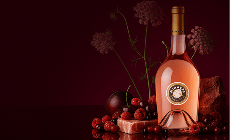
Since 2020, official prosecco rosé DOC has been produced from Glera with 10–15% Pinot Nero, with the vintage stated on the label. It has a delicate pink colour and aromas of strawberries and raspberries. See also rosé wine.
How much does prosecco cost?
The price of prosecco depends mainly on the appellation and producer:
- Prosecco DOC – the most affordable, available among wines under PLN 50. Great for parties and cocktails.
- Prosecco Superiore DOCG – from Conegliano Valdobbiadene and Asolo, usually among wines under PLN 100. More complex, for drinking on its own.
- Cartizze and Rive – the top tier of prosecco, ideal as a gift. See premium wines.
Prosecco comes in various formats – from small 200 ml bottles to magnums for larger parties. See magnums and large formats.
How to choose a good prosecco
- Choose the sweetness style. Brut for food, extra dry for aperitifs, dry for desserts.
- Check the appellation. The DOCG designation guarantees wine from the historic hill zone, usually of higher quality.
- Go for freshness. Prosecco tastes best young – within 1–2 years of harvest. Do not cellar it for years.
- Match it to the occasion. A good prosecco DOC is enough for cocktails; for a toast or a gift, choose DOCG.
Prosecco food pairing and cocktails
Prosecco is the classic aperitif. It pairs beautifully with snacks: prosciutto, melon, olives, bruschetta, mozzarella and Grana Padano, as well as seafood, sushi and light fish dishes. Prosecco dry goes well with fruit desserts and cakes. Prosecco is also the base of popular cocktails, including the Aperol spritz (prosecco, aperitif and soda water in a 3:2:1 ratio), the Hugo with elderflower syrup and mint, and the Bellini with peach purée.
How to serve prosecco
Serve prosecco well chilled, at 6–8°C. Tulip-shaped glasses or white wine glasses work best – they show the aroma better than narrow flutes. Close an opened bottle with a sparkling wine stopper and keep it in the fridge for 1–2 days. You will find accessories in wine accessories.
Frequently asked questions
Is prosecco a sparkling wine?
Yes. Prosecco is an Italian sparkling wine with a protected designation of origin, produced in Veneto and Friuli-Venezia Giulia mainly from the Glera grape.
Is prosecco sweet?
It depends on the style. Prosecco brut is dry, extra dry is slightly sweet, and dry is semi-sweet. The style is always stated on the label.
How much alcohol does prosecco contain?
Usually around 10.5–11.5%, which is less than most still wines and champagnes.
How many calories are in prosecco?
Prosecco brut contains about 70 kcal per 100 ml, while extra dry and dry contain slightly more due to their higher sugar content.
Explore our selection of prosecco. Alcohol is sold only to persons aged 18 and over.