






Dry Wine
371 productsDry wine is the connoisseur’s choice and the style most often recommended with food. It is not overwhelmed by sweetness, so the fruit, acidity, tannins and character of its place of origin take centre stage. In this category you will find dry red, white and rosé wines from the world’s most important regions – from light, crisp everyday wines to great bottles from Tuscany, Bordeaux and Rioja that age for years. Use the filters to narrow your choice by colour, country, grape variety and price.
What does dry wine mean?
Dry wine is wine in which almost all the sugar from the grapes has been fermented into alcohol. Under EU rules, a still wine may be labelled dry if it contains up to 4 g of residual sugar per litre, or up to 9 g/l if its acidity is sufficiently high. For comparison: semi-dry wines have up to 12 g/l, semi-sweet up to 45 g/l, and sweet wines more than 45 g/l.
On labels, dry wine appears as dry (English), sec (French), secco (Italian), trocken (German), seco (Spanish) and wytrawne (Polish).
What does dry wine taste like?
Dry does not mean sour or bitter. A good dry wine can be very fruity – with cherries, currants, apples or citrus – but without a sweet aftertaste. In red wines the feeling of “dryness” is enhanced by tannins, which slightly grip the mouth, and in whites by crisp acidity. This is exactly why dry wine works so well with food: it cleanses the palate and brings out the flavour of the dish.
How to tell sweet wine from dry wine
The surest way is the label, where the producer states the style. Alcohol level can also help: dry wines usually have 12–15%, while semi-sweet and sweet wines (other than fortified ones) often have less, because some of the sugar has not been converted into alcohol. If you are looking for a touch of sweetness, see semi-dry wines and semi-sweet wines.
Types of dry wine
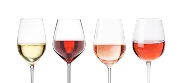
Dry red wine
The largest group of dry wines. Dry red wine has a firm structure, tannins and aromas of dark fruit, spice and – after oak ageing – vanilla and tobacco. Classics include Cabernet Sauvignon, Merlot, Sangiovese, Tempranillo and Saperavi. See our full range of dry red wine.
Dry white wine
Dry white wine is crisp, mineral and fruity. Sauvignon Blanc, Chablis, Albariño and Rhine Riesling trocken are great companions for fish and seafood. Dry whites from Alsace combine dryness with intense aromatics. See dry white wine.
Dry rosé wine
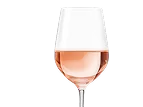
Dry rosé from Provence, Navarra or Abruzzo is light and refreshing, with aromas of strawberries and raspberries. Perfect for summer and Mediterranean cuisine – see rosé wine.
Dry sparkling wine
Sparkling wines use a different sweetness scale. Dry bubbles are labelled brut (up to 12 g/l of sugar), extra brut or brut nature. Note: “extra dry” on a bottle of prosecco actually means a wine slightly sweeter than brut. See sparkling wines.
Dry wine from around the world
Italian dry wine
Italy is a paradise for dry wine lovers. Tuscan dry wine means above all Chianti and Brunello di Montalcino, made from Sangiovese. Piedmont is famous for Barolo, and Veneto for Amarone. Among whites, try Pinot Grigio, Soave and Vermentino. See Italian wines.
French dry wine
French dry wine is the benchmark for the whole world. Dry red Bordeaux is a blend of Cabernet Sauvignon and Merlot – prices range from affordable Bordeaux AOC to collector’s sums for wines from renowned châteaux. Burgundy means Pinot Noir and Chardonnay, the Loire Valley Sauvignon Blanc, and Alsace aromatic whites. See French wines.
Spanish dry wine
Spanish dry wine offers excellent value: red Rioja and Ribera del Duero made from Tempranillo, powerful wines from Priorat, and white Albariño and Verdejo. See Spanish wines.
Georgia, Poland and other countries
Georgian dry wines include red Mukuzani made from Saperavi, white Tsinandali and amber wines fermented in qvevri clay vessels – see Georgian wines. Polish dry wine, especially white Solaris, is also gaining recognition – explore Polish wines.
How to choose a good dry wine
- Start with colour and food. Choose dry red wine for meat, white for fish and seafood, and rosé or brut sparkling for aperitifs and salads.
- Match the intensity. If you are new to dry wines, start with softer, fruitier varieties: Merlot, Primitivo or Pinot Grigio. You will come to appreciate more tannic Cabernet Sauvignon and Barolo over time.
- Check the appellation and producer. DOC/DOCG, AOC and DO designations guarantee origin and production rules.
- Looking for a gift? Go for the classics: Chianti Classico, Bordeaux, Rioja Reserva or Barolo. More ideas in wine gifts and premium wines.
Ready-made picks, including the best dry wines in different price ranges, can be found in our best wines selection.
Dry wine food pairing
| Dry wine | Examples | Serve with |
|---|---|---|
| Full-bodied red | Cabernet Sauvignon, Barolo, Rioja Reserva | steaks, game, barbecue, aged cheeses |
| Light red | Pinot Noir, Chianti, Merlot | poultry, pasta, pizza, mushroom dishes |
| White | Sauvignon Blanc, Chablis, Riesling trocken | fish, seafood, poultry, goat’s cheese |
| Rosé and brut sparkling | Provence rosé, cava, champagne | aperitifs, salads, sushi, snacks |
Dry wine calories and sugar
Dry wine is the lowest-calorie traditional wine style. It contains on average 75–85 kcal per 100 ml, or about 115–125 kcal in a 150 ml glass. Most of this energy comes from alcohol, not sugar. Dry wine contains a maximum of 4 g of residual sugar per litre (in some cases up to 9 g/l) – usually less than 1 g per glass. Total carbohydrates average around 2–3 g per 100 ml.
The more alcohol, the more calories – so full-bodied wines from warm regions (14–15%) contain slightly more calories than light wines from cool climates (11–12%).
How to serve dry wine
Serve dry red wine at 14–18°C (lighter wines cooler, fuller ones warmer), white at 8–12°C, rosé at 8–10°C and sparkling at 6–8°C. Young, tannic red wines benefit from 30–60 minutes in a decanter. You will find suitable glasses and decanters in wine accessories.
Frequently asked questions
What is the difference between dry and semi-dry wine?
The amount of residual sugar. Dry wine has up to 4 g/l (or up to 9 g/l), while semi-dry has up to 12 g/l (or up to 18 g/l with higher acidity). Semi-dry wine is therefore slightly softer and fruitier. See semi-dry wines.
Is dry wine fattening?
Dry wine has fewer calories than semi-sweet and sweet wine, but it is still a source of energy – mainly from alcohol. A glass contains about 120 kcal. As with any alcohol, moderation is key.
Is dry wine healthy?
Dry wine contains little sugar, and red wine also contains polyphenols. That does not make it healthy, however – the World Health Organization states that there is no level of alcohol consumption that is safe for health. Enjoy wine as a culinary pleasure, not as a health remedy.
Does dry wine raise blood sugar?
Dry wine contains very little sugar, but alcohol itself affects blood glucose levels and can interact with medication. People with diabetes should consult their doctor about drinking alcohol.
What is dry wine called in other languages?
Vin sec in French, vino secco in Italian, trocken in German, vino seco in Spanish and wino wytrawne in Polish.
Explore our selection of dry wine. Alcohol is sold only to persons aged 18 and over.