



















Polish Wine
0 productsPolish wine is enjoying a true renaissance. Just two decades ago few people took it seriously, yet today wines from Polish vineyards win medals at international competitions and appear on the wine lists of top restaurants. The cool climate favours fresh, aromatic wines with lively acidity – especially whites. In this category you will find Polish wine from the country’s most important wine regions. Use the filters to choose by colour, taste, grape variety and price.
The history of wine in Poland
Vines were grown in Poland as early as the Middle Ages – at monasteries and manors, around Kraków, Sandomierz and Zielona Góra, among other places. Zielona Góra has the strongest tradition, celebrating the Winobranie (grape harvest) festival since the 19th century. After the Second World War, vine growing almost disappeared, and the real revival of Polish winemaking came at the beginning of the 21st century, when changes in the law allowed small vineyards to sell their own wine legally. Since then, the number of Polish vineyards has been growing fast.
Polish wine regions
- Lubuskie (Zielona Góra) – the historic heart of Polish winemaking. Lubuskie wine means above all fresh whites and increasingly interesting reds.
- Lesser Poland (Małopolska) – the area around Kraków and Tarnów, with some of the most renowned Polish vineyards.
- Podkarpacie – a region with a long tradition, centred around Jasło.
- Sandomierz and the Świętokrzyskie region – loess soils and sunny slopes above the Vistula, ideal for vines. Sandomierz wine is mainly crisp white wine.
- Lower Silesia and the Lublin region – fast-growing regions, including the area around Kazimierz Dolny.
Grape varieties in Polish vineyards
Because of the cool climate, Poland mainly grows varieties resistant to frost and disease (so-called hybrids), and increasingly classic European grapes too.
| Grape | Colour | Character |
|---|---|---|
| Solaris | white | the most popular grape in Poland; aromas of peach, pineapple and citrus |
| Johanniter | white | crisp, similar in style to Riesling |
| Seyval Blanc | white | light, citrusy, mineral |
| Hibernal | white | aromatic, with pronounced acidity |
| Regent | red | the most popular red grape; dark fruit, soft tannins |
| Rondo | red | intense colour, cherry and blackberry |
| Riesling, Chardonnay, Pinot Noir | white and red | classic varieties, increasingly successful in the Polish climate |
Types of Polish wine
Polish white wine
This is the strongest side of Polish winemaking. Polish white wines are fresh, aromatic and crisp – a great match for fish, salads, goat’s cheese and Asian cuisine. See white wine.
Polish red wine
Polish red wines are usually lighter than wines from warmer countries – fruity, with moderate tannins and higher acidity. The best vintages and Pinot Noir wines, however, can surprise with their elegance.
Polish dry, rosé, sparkling and orange wine
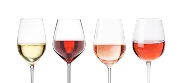
Most Polish wines are dry – on Polish labels you will see the word “wytrawne”. Polish winemakers also produce fresh rosés, traditional-method sparkling wines and a growing number of orange and natural wines. See natural wine and orange wine.
Grape wine vs fruit wine
Bear in mind that under the law, “wine” is a drink made from grapes. Polish fruit wines – made from apples, currants or pears, for example – are a separate category of drinks. In this category you will find wines made from Polish grapes.
How to choose the best Polish wine
- Start with white wine. Solaris and Johanniter are the best showcase of Polish vineyards.
- Check the vineyard and vintage. In a cool climate, vintage matters a lot – in warm summers the wines are fuller and riper.
- Look for award-winning wines. Competition medals are a good guide for your first choice.
- Think of a gift. A bottle of good Polish wine makes an original present, especially for guests from abroad. See wine gifts.
Frequently asked questions
Is Polish wine good?
Yes – the best Polish wines, especially whites, win awards at international competitions. The cool climate favours fresh, aromatic wines with lively acidity.
How much does Polish wine cost?
Polish wines are usually more expensive than wines from large wine-producing countries, as they are made in small vineyards in small quantities. Prices for good wines typically start from several dozen złoty.
Where are the oldest vineyards in Poland?
Zielona Góra in the Lubuskie region has the strongest winemaking tradition, celebrating the Winobranie festival since the 19th century. Historic vineyards also existed around Kraków and Sandomierz.
Explore our selection of Polish wines. Alcohol is sold only to persons aged 18 and over.