

















































Polish Vodka
13 products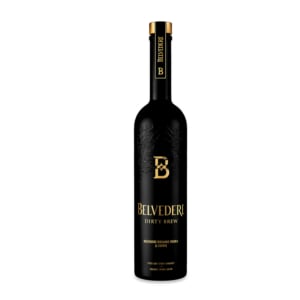
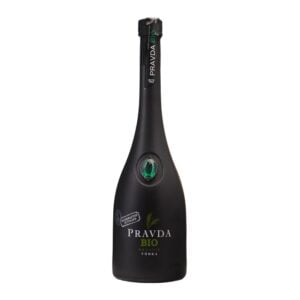
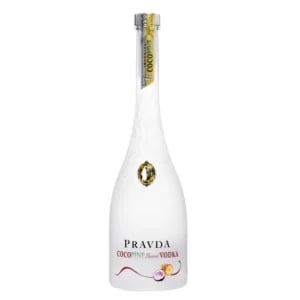
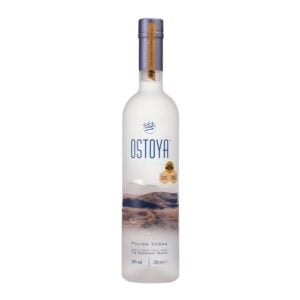
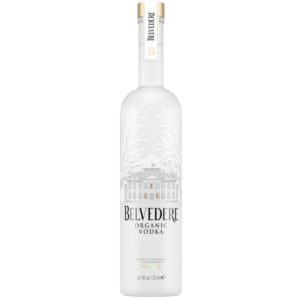
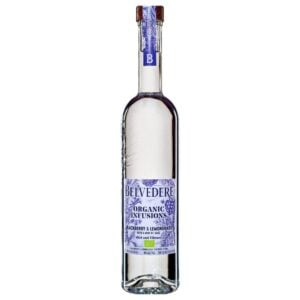
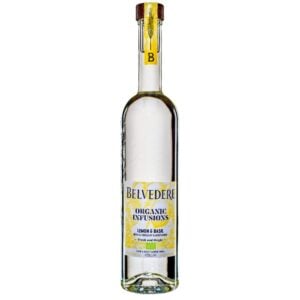
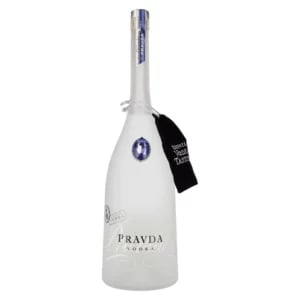
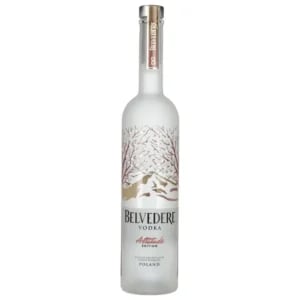
Polish Vodka — The World Standard of Authenticity
Polish vodka is a category that has for centuries formed the heart of Polish culture and simultaneously one of the most important ambassadors of our country in the world. When we say "Polish vodka," we are not speaking of a random alcohol, but of a product with strictly defined origin, traditional production method, and unique character that cannot be reproduced anywhere else in the world. Polish vodkas — from modest classics to luxury premium editions — set global quality standards and are the pride of Polish distilling craftsmanship.
In this article, we will comprehensively discuss what Polish vodka really is, why this name is legally protected, how to recognize an authentic product, which brands shape the Polish vodka scene, and why it is worth choosing Polish bottles regardless of the occasion. The Fine Spirits shop in Warsaw has for years been serving Warsaw connoisseurs seeking the best Polish vodka — both traditional classics and modern craft editions.
What Is Polish Vodka? Protected Geographical Indication
"Polska Wódka" (Polish Vodka) is an official designation protected at the European Union level — a legal category analogous to champagne from Champagne, cognac from the Cognac region, or parmesan from Parma. To be allowed to use this name, the producer must meet strict requirements specified in the 2013 act and in EU regulation.
Requirements for "Polska Wódka" status:
- Raw material — exclusively Polish grain (rye, wheat, barley, oats, triticale) or Polish potatoes
- Production location — the entire production process (fermentation, distillation, bottling) must take place on the territory of the Republic of Poland
- Method — traditional production methods consistent with Polish distilling heritage
- Purity — pure vodka cannot contain any flavoring additives or artificial colorings
- Flavored editions — may contain only natural additives traditionally used in Polish distilling
The "Polska Wódka" status is not just marketing — it is a guarantee of authenticity, quality, and continuation of a centuries-old tradition. When choosing a bottle with this designation, the customer can be certain that the product was created according to the highest standards and represents the best of Polish distilling craftsmanship. It is also important protection against products imitating the Polish style but not originating from Poland.
The History of Polish Vodka — A Thousand Years of Tradition
The history of Polish vodka is one of the longest and richest distilling histories in Europe. The first written mention of the word "wódka" dates from 1405, when in court records in Sandomierz it appears as a diminutive of "woda" (water) — a small amount of water. Over time, the word began to describe a clear distillate that was initially treated as a medicine and disinfectant.
Middle Ages and Early Modern Period (15th–16th centuries) — the first documented distilleries arise in monasteries and larger noble estates. Vodka is treated mainly as a medicament. The dominant raw material is rye — a grain ideally adapted to the Polish climate and soils.
The Golden Age of Polish Vodka (16th–18th centuries) — almost every noble estate in the Commonwealth has its own distillery. Polish vodkas are exported to European courts, valued for their authentic, expressive character. Traditional flavored editions emerge — żubrówka, krupnik, jarzębiak, pieprzówka — which to this day are part of Polish heritage.
Industrialization (19th century) — the first industrial distilleries arise. Wyborowa, founded in 1823, is to this day one of the oldest continuously operating vodka brands in the world. The introduction of column distillation allows production of vodkas of previously unattainable purity.
Interwar Period (1918–1939) — Polish vodka gains international renown. Polish brands regularly win awards at world exhibitions.
Communist Poland (1945–1989) — vodka production is nationalized, operating under the Polmos brand in various cities. Despite difficult conditions, the production tradition is preserved. Some brands from this period — Wyborowa, Żubrówka, Luksusowa — are still icons of the category today.
Renaissance (after 1989) — privatization, new investments, return to craft traditions. The 1990s and 2000s bring an explosion of Polish premium vodkas — Belvedere, Chopin, Sobieski — which conquer the world. In 2013, the protected "Polska Wódka" designation is officially introduced.
What Is Polish Vodka Made From?
Polish vodka is produced exclusively from Polish raw materials — this is one of the foundations of the protected geographical indication status. Each raw material gives a different character, which is why it is worth getting to know them.
Rye — The King of Polish Vodka
Rye is the most characteristic Polish distilling raw material. The Polish climate — cool, humid, less fertile compared to southern Europe — favors this grain far more than wheat. Polish rye vodkas have a full, spicy, slightly peppery character, with notes of fresh bread and dry spices. Belvedere, Wyborowa, Sobieski, Chopin Rye — these are the flagship Polish rye vodkas. For many connoisseurs, rye is the very essence of authentic Polish vodka.
Wheat
Wheat is the second popular Polish distilling raw material, giving milder, creamier, slightly sweet vodkas. The character is softer than in rye vodkas, with subtle notes of vanilla and white bread. Many Polish premium wheat vodkas compete with the best vodkas from France or Sweden, offering a refined, elegant profile.
Potatoes
Potatoes are a raw material with a rich Polish tradition, giving smooth, earthy vodkas with a characteristic subtle buttery note and creamy texture. Chopin Potato and Luksusowa are flagship Polish potato vodkas. This category is valued by connoisseurs seeking a unique, expressive character that cannot be reproduced from any other raw material. The Polish tradition of producing potato vodkas dates back to the 19th century, when the potato became a common agricultural raw material.
Barley, Oats, Triticale
Less popular but permitted in the "Polska Wódka" status raw materials. Each gives a subtly different character — barley adds sweetness, oats give creaminess, triticale combines features of wheat and rye. Some craft producers experiment with these raw materials, creating unique editions.
Grain Blends
Some Polish vodkas are produced from blends of various grains, giving a balanced profile combining features of different raw materials. This is often the choice for everyday vodkas where the goal is universal flavor.
The Most Famous Polish Vodka Brands
The Polish vodka scene is a wealth of brands — from classics dating back centuries to modern premium editions. Here are the most important names that define today's Polish market.
Wyborowa — founded in 1823 in Poznań, one of the oldest continuously operating vodka brands in the world. A classic of Polish rye vodka. The line includes Wyborowa Classic, Wyborowa Exquisite, and premium Wyborowa Single Estate Rye.
Żubrówka — the iconic Polish brand with bison grass from the Białowieża Forest. Żubrówka Bison Grass (Czarna) is a global icon of flavored vodka. Żubrówka Biała is a classic pure rye vodka.
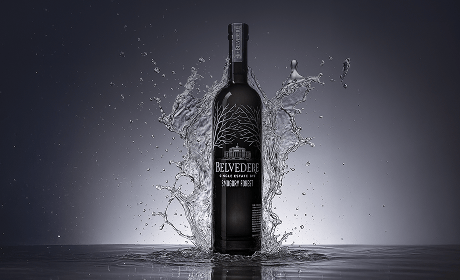
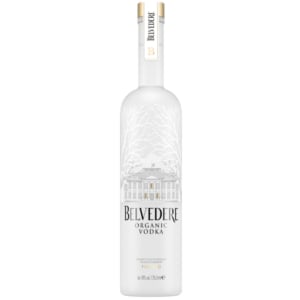
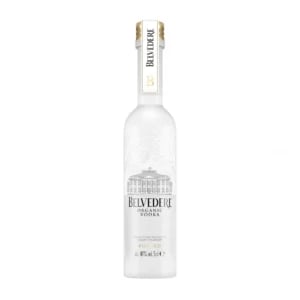
Belvedere — produced in Żyrardów since 1996, one of the leaders of the global premium vodka market. Belvedere Pure, Belvedere Single Estate Rye (from Lake Bartężek and Smogóry Forest), and Belvedere Heritage 176 are flagship editions.
Chopin — founded in 1993, a brand bearing the name of the great Polish composer. Produces vodkas from three raw materials — rye (Chopin Rye), wheat (Chopin Wheat), and potatoes (Chopin Potato). Premium editions include Chopin Family Reserve.
Sobieski — named after King Jan III Sobieski, a brand combining good quality with accessible price. Sobieski Classic, Sobieski Estate, Sobieski Vintage Estate.
Luksusowa — a classic Polish potato vodka with a tradition reaching back to the 1920s. Smooth, creamy, with a characteristic potato profile.
Krupnik — a historic brand known for honey-spice flavored vodkas, but also for classic clear editions.
Soplica — a popular Polish brand offering a wide range of clear and flavored vodkas, including classic Soplica Wiśniowa (Cherry), Orzechowa (Walnut), Truskawkowa (Strawberry).
Stock Prestige — premium edition from a Polish producer with a long tradition.
Polmos Łańcut, Polmos Warszawa, Polmos Białystok — historic regional brands continuing local distilling traditions.
Polish craft brands — Vestal, Krukowiak, Bartek Vodka, Vincent — a new wave of small, independent Polish distilleries producing vodkas with original character.
Regions of Polish Vodka Production
Poland is a country with a diverse distilling tradition — different regions have their subtle styles and specializations.
Mazovia — a region with a rich tradition, home to many renowned brands, including Belvedere (Żyrardów). The capital of the region, Warsaw, is the traditional consumer market for Polish premium vodkas.
Greater Poland — a cultivation and production region; Polmos Poznań has a long history of producing vodkas, including the iconic Wyborowa.
Podlasie — a region of pristine nature, with traditional Dańkowskie rye, with the Białowieża Forest providing bison grass for Żubrówka.
Lesser Poland — Polmos Kraków and new craft distilleries continue the regional tradition. Krakow vodka has a long history.
Pomerania — a region with numerous small distilleries; Sobieski has strong roots here.
Lublin Region — a cultivation region for rye and potatoes, with a distilling tradition reaching back centuries.
Subcarpathia — Polmos Łańcut is a classic regional brand with a long tradition.
Each region has its subtle differences in style — resulting from the local variety of raw material, water quality, distilling tradition, and microclimate.
Polish Flavored Vodka — A Unique Tradition
The Polish tradition of flavored vodkas is one of the most valuable culinary heritages of our country. This is a category in which Polish vodka is the absolute world leader and reference standard.
Żubrówka — undoubtedly the most famous Polish flavored vodka, with the addition of bison grass (Hierochloe odorata) from the Białowieża Forest. The characteristic herbal-vanilla aroma has delighted the world for decades. The classic way of drinking is with apple juice (Tatanka/Szarlotka).
Krupnik — traditional Polish honey-spice vodka, with honey, spices (vanilla, cinnamon, cardamom, cloves), and herbs. Classically served warm on winter evenings.
Jarzębiak — vodka with the addition of rowan berries, with a characteristic bitter-sweet note and amber color. Traditional Polish classic.
Pieprzówka — vodka with the addition of pepper and other spicy seasonings, popular as a digestive stimulant after hearty meals.
Wiśniówka and Śliwowica — fruit-based vodkas, with a rich Polish tradition.
Nalewki — a special Polish tradition of homemade flavored vodkas: dereniówka (dogwood), malinówka (raspberry), orzechówka (walnut), herbal, mint — each has its regional variations.
These traditional Polish flavored vodkas are protected under the "Polska Wódka" status — the raw materials and production methods must be consistent with Polish distilling heritage.
Polish Pure and Premium Vodka — World Class
Contemporary Polish pure vodka, especially in the premium segment, ranks among the best in the world. Polish brands regularly win the highest awards at international tasting competitions.
Belvedere Heritage 176 — a luxury edition with peated rye, combining Polish tradition with an innovative approach. Full, spicy character with subtle smokiness.
Belvedere Single Estate Rye — two editions (Lake Bartężek and Smogóry Forest) representing the terroir concept — each region of Polish farms gives a subtly different character.
Chopin Family Reserve — a limited collector's edition of the Polish Chopin distillery, with multi-year aging.
Wyborowa Single Estate — a premium edition of the iconic Polish brand, produced from rye from a single farm.
Sobieski Vintage Estate — a premium edition from a selected vintage.
This is only a selection of the highest shelf — the Polish premium vodka scene offers much more, including items from less well-known but equally outstanding producers.
How to Recognize Authentic Polish Vodka
In a world of growing numbers of imitations, it is important to be able to recognize genuine Polish vodka.
The "Polska Wódka" / "Polish Vodka" designation — this is the most certain sign of protected geographical indication. It requires meeting strict requirements regarding raw material and place of production.
Raw material on the label — authentic Polish vodka clearly indicates the raw material (rye, wheat, potato) or a blend of Polish grains.
Polish production — the label should clearly indicate the place of production in Poland. Names such as "Polish-style" or "inspired by Polish tradition" are often a signal that the product is not authentic.
Traditional brands — Wyborowa, Belvedere, Chopin, Żubrówka, Sobieski, Luksusowa, Krupnik, Polmos — these are the names that guarantee authenticity.
Reputable shop — purchasing from a specialty premium alcohol shop, such as Fine Spirits, eliminates the risk of buying counterfeits or low-quality products.
Polish Vodka vs. Other Vodkas in the World
What distinguishes Polish vodkas from their global competitors?
Poland vs. Russia — both traditions are ancient and developed in parallel, but they differ in style. Polish vodka is often fuller, more characterful, more often based on rye. The Russian tradition prefers wheat and very smooth, neutral production.
Poland vs. France — the French tradition of premium vodka (Grey Goose, Cîroc) is relatively new, based mainly on wheat or grapes. Poland offers more authenticity and centuries-old tradition.
Poland vs. Sweden — Swedish vodkas (Absolut) are mild, creamy, almost neutral. Polish vodka offers greater complexity and character, especially in rye editions.
Poland vs. USA — American vodkas are often produced from various raw materials (mainly wheat and corn), almost always very neutral. Polish vodka offers authenticity and regional character.
Poland vs. Eastern European countries — within Central and Eastern Europe, Polish vodka stands out with its protected geographical indication status, the highest quality standards, and the global renown of premium brands.
The Art of Tasting Polish Vodka
Polish vodka, due to its authentic character, especially deserves conscious tasting.
Temperature — the traditional Polish approach is chilled vodka (0–8°C), ideal for toasts and classic drinking with appetizers. Premium Polish vodkas — especially rye — deserve a slightly chilled temperature (10–15°C) to fully express their character.
Glass — for toasts, the classic Polish 50 ml glass. For conscious tasting of premium editions — a tulip glass or Glencairn.
The Polish tradition of appetizers — Polish vodka and Polish food create one of the most beautiful culinary marriages in the world. Herring in oil or cream, steak tartare, lard with bread and pickled cucumber, smoked fish, caviar, pierogi, bigos — these are classic pairings in which the fullness and character of Polish vodka pair beautifully with the salty, fatty, marinated flavors of Polish cuisine.
Toast — the Polish tradition of toasts is an important part of drinking culture. Toasts are raised at family gatherings, important occasions, business dinners. "Na zdrowie!" ("To health!") is not just a phrase but a gesture of respect and community.
Polish Vodka as a Gift
Polish vodka is one of the most elegant and personal gifts — especially for foreign guests, business partners, or those who value Polish heritage. A bottle of good Polish vodka in beautiful packaging speaks of respect for tradition and the good taste of the giver.
Excellent gift propositions:
- Belvedere Heritage 176 — a luxurious Polish edition in elegant packaging
- Belvedere Single Estate Rye — vodka from a specific Polish farm
- Chopin Family Reserve — a collector's Polish edition
- Wyborowa Single Estate Rye — premium classic of Polish tradition
- Żubrówka Bison Grass in special packaging — an unforgettable Polish symbol
- Sobieski Vintage Estate — an accessibly priced premium gift
- Polish craft vodkas — Vestal, Krukowiak — for those seeking authenticity
Polish vodka with a dedication in a wooden case is a gesture that combines respect for the recipient with pride in Polish heritage.
The Most Common Mistakes When Buying Polish Vodka
Confusing it with other "Polish-style vodkas" — look for the "Polska Wódka" / "Polish Vodka" designation — products without this mark may be produced anywhere.
Buying only the most popular brands — the Polish market offers many less well-known but equally outstanding items, especially among craft distilleries.
Being guided only by price — the cheapest Polish vodkas can be decent, but the quality difference between a bottle at 30 PLN and one at 60 PLN is often surprising.
Overlooking flavored vodkas — the Polish tradition of flavored vodkas (żubrówka, krupnik, jarzębiak) is one of the most valuable culinary heritages — it is a shame to overlook it.
Lack of advice — a salesperson in a specialty shop can in a few minutes help choose the perfect Polish vodka tailored to the occasion.
Polish Vodka Price — Overview of Price Ranges
Polish vodka up to 40 PLN — the basic segment with Polish classics for everyday use: Wyborowa, Żubrówka Biała, Soplica Czysta, Krupnik Czysty, Stock Prestige.
Polish vodka up to 80 PLN — the middle shelf offers vodkas with clearly higher distillation quality: Sobieski Estate, Chopin Vodka, Wyborowa Exquisite, Luksusowa Premium.
Polish vodka up to 200 PLN — the premium segment, the world of luxury Polish editions: Belvedere Pure, Chopin Rye, Wyborowa Single Estate Rye, Sobieski Vintage Estate.
Polish vodka over 200 PLN — super-premium and collector's: Belvedere Heritage 176, Belvedere Single Estate (Lake Bartężek, Smogóry Forest), Chopin Family Reserve, limited editions.
Fine Spirits — Polish Vodka in Warsaw at Its Best
Fine Spirits is a shop in which Polish vodka holds a special place. As a Warsaw premium alcohol shop, we believe that promoting Polish distilling heritage is our mission — because Polish vodka deserves to be represented with pride and competence.
The Fine Spirits assortment includes dozens of Polish vodka items — from classic everyday brands, through premium editions of Belvedere, Wyborowa, Chopin, to craft vodkas from small Polish distilleries. Every bottle comes from a legal, verified source, most often directly from Polish distilleries or official distributors.
Experienced Fine Spirits advisors are true enthusiasts of Polish vodka. They know the history of each brand, the differences between Dańkowskie rye and other varieties, the characteristics of potato vodkas from Luksusowa and Chopin Potato. They will help you choose the perfect Polish vodka — whether you are looking for an everyday bottle for the Polish table, a gift for a foreign guest, or a collector's single-estate edition.
Fine Spirits welcomes you both to its stationary salon in central Warsaw and to its online shop available at any time. For Polish vodka customers, we also offer professional gift packaging, dedication cards, and expert advice on tasting and pairing with Polish cuisine.
FAQ — Frequently Asked Questions About Polish Vodka
How does Polish vodka really differ from others?
Polska Wódka is a geographical indication protected at the European Union level. It requires production in Poland, from Polish raw materials (rye, wheat, barley, oats, triticale, or potatoes), and according to traditional Polish methods. This is similar protection to champagne or cognac. Polish vodka also has a characteristic, fuller character — especially in rye and potato editions — which is hard to find in other countries.
Which Polish vodka is the best?
It depends on preferences and the occasion. For everyday use, Wyborowa or Żubrówka work great. For conscious premium tasting — Belvedere, Chopin Rye, Wyborowa Single Estate. For special occasions — Belvedere Heritage 176 or Chopin Family Reserve. Each of these brands represents the world class of Polish vodka.
Is Polish vodka better than Russian?
There is no clear answer — both traditions have their outstanding achievements. However, Polish vodka stands out with its protected geographical indication status (which Russia does not have), fuller character (especially in rye vodkas), and global renown of premium brands (Belvedere, Chopin). Polish vodkas regularly win international tasting competitions.
Which raw material makes the best Polish vodka?
It is a matter of preference. Rye gives a fuller, spicier character — this is the most authentic Polish tradition. Wheat is milder and creamier. Potato — smooth, with a subtle buttery note. Each raw material has its lovers. It is worth trying different ones to find your favorite profile.
Is "Polska Wódka" the same as "vodka from Poland"?
Not exactly. "Polska Wódka" / "Polish Vodka" is a protected geographical indication with specific requirements. Vodka "from Poland" may be a Polish product, but not necessarily meeting these requirements (e.g., using imported raw material). The protected indication status is a guarantee of full authenticity.
How to properly drink Polish vodka?
The classic Polish approach is chilled vodka (0–8°C) in a 50 ml glass, for a toast with Polish appetizers — herring, steak tartare, lard, pickled cucumber. For premium editions, the modern approach suggests a slightly higher temperature (10–15°C) in a tulip glass, for conscious tasting. Both approaches are correct — the choice depends on the quality of the bottle and the occasion.
Are Polish flavored vodkas still "Polish Vodka"?
Yes — provided they are produced in Poland, from Polish raw materials, and with traditional Polish additives (bison grass, honey, rowan berries, herbs, etc.). Żubrówka, Krupnik, Jarzębiak are legendary Polish flavored vodkas that are an integral part of the protected category.
Is it worth buying Polish craft vodkas?
Definitely yes. The new wave of Polish craft distilleries (Vestal, Krukowiak, Bartek Vodka, and others) creates vodkas with original character, often from local raw materials and according to traditional recipes. This is a category in which you can find true gems and interesting novelties — a complement to the classics of Belvedere, Chopin, or Wyborowa.
Why is Polish vodka so valued in the world?
Several factors: centuries-old distilling tradition, ideal climatic conditions for cultivating rye and potatoes, protected geographical indication status, success of premium brands (Belvedere, Chopin), growing consumer awareness regarding authenticity and terroir. Polish vodka is today one of Poland's most valued export goods.
Where to buy authentic Polish vodka?
In verified, specialty premium alcohol shops. Fine Spirits in Warsaw is a guarantee of authenticity, professional advice, and a full assortment — from everyday classics to the rarest collector's editions. Direct cooperation with Polish distilleries eliminates the risk of counterfeits and provides certainty of the highest quality.
Summary
Polish vodka is not just an alcohol — it is a living heritage, a story of Polish land, climate, craft tradition, and culture. From medieval monastic distillations, through the golden age of the Commonwealth, the industrialization of the 19th century, the difficult times of communist Poland, to the renaissance after 1989 and the global success of premium brands — Polish vodka has traveled a fascinating road, at the end of which it stands as the world standard of authenticity and quality.
When choosing Polish vodka, you choose a product with a real, verifiable history. The protected "Polska Wódka" geographical indication is a guarantee that the bottle in your hand was created from Polish grain or Polish potatoes, Polish water, in a Polish distillery, according to methods reaching back hundreds of years of tradition. It is a gesture of respect for Polish craftsmanship — and a pleasure that cannot be found anywhere else.
And if you are looking for the best place to choose your Polish vodka — Fine Spirits in Warsaw welcomes you to its stationary shop and online. With expert advice, the certainty of authenticity, and an assortment covering the full wealth of the Polish vodka scene, you will find here exactly what suits your preferences, occasion, and budget.
Cheers — and long live Polish vodka!