






























Natural Wine and Orange Wine
0 productsNatural wine and orange wine are among the most fascinating trends in today’s wine world. What they share is a philosophy of minimal intervention: winemakers let the grapes, the vineyard and the vintage shape the character of the wine, rather than technology. The result is wines full of energy – sometimes unexpected, but always with character. In this category you will find natural, biodynamic and orange wines from Georgia, Italy, Slovenia and other countries.
What is natural wine?
Natural wine has no single legal definition across Europe, but its makers follow similar principles:
- Grapes from organic or biodynamic farming, harvested by hand.
- Spontaneous fermentation with wild yeasts naturally present on the grape skins and in the winery – without added cultured yeasts.
- Minimal additives – no adjustment of acidity, sugar or colour; sulphites added in very small amounts or not at all.
- No or minimal filtration and fining – which is why natural wine may be slightly cloudy and contain sediment.
Since 2020, France has had the Vin Méthode Nature label, which formalises these principles and limits the amount of added sulphites. Natural wines are usually fresh, fruity and very “alive” on the palate. As they are not stabilised, they need to be stored in a cool place.
Natural, organic and biodynamic wine – what is the difference?
| Type | What it means |
|---|---|
| Organic wine | grapes grown without synthetic pesticides and fertilisers; EU certification (green leaf logo), with a limited list of permitted additives in the winery |
| Biodynamic wine | organic farming extended with biodynamic principles: a calendar of vineyard work, natural preparations, the vineyard as a self-sustaining ecosystem; certifications include Demeter and Biodyvin |
| Natural wine | a philosophy of minimal intervention in both vineyard and winery: wild yeasts, no filtration, minimal sulphites |
A biodynamic wine is not necessarily natural, and a natural wine is not always certified – many small producers follow these principles without formal certification.
What is orange wine?
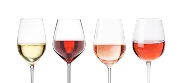
Orange wine is white wine made like red wine. Light-skinned grapes are fermented together with their skins for days, weeks or even months – which is why it is also called skin-contact or amber wine. The skins give the wine its colour – from golden through amber to deep orange – as well as tannins, structure and aromas. Important: orange wine has nothing to do with oranges. It is not made from oranges – the name refers only to its colour.
Orange wine has a distinctive taste: dried apricots, orange peel, tea, honey, nuts and spices, with noticeable tannins and a dry finish. It combines the freshness of white wine with the structure of red.
Georgian orange wine – the qvevri tradition
The homeland of orange wine is Georgia, where for thousands of years wine has been fermented and aged in qvevri – clay vessels buried in the ground. The Georgian qvevri winemaking method is inscribed on the UNESCO Intangible Cultural Heritage list. Georgians call these wines amber wines. They are most often made from Rkatsiteli and Mtsvane. See Georgian wines.
Orange wine from Italy, Slovenia and other countries
The modern orange wine revival was started by winemakers from Italy’s Friuli region and Slovenia’s Brda, who brought back long maceration of white varieties such as Ribolla Gialla. Today orange wine is made all over the world – including Austria, France, Spain and Poland. See Italian wines and Polish wines.
How to choose natural or orange wine
- Start with lighter styles. If you are new to natural wines, choose fresh, fruity wines with short maceration. Orange wines with months of qvevri maceration are more demanding.
- Expect something different. Slight cloudiness, sediment or unusual aromas are features of these wines, not faults.
- Look for certifications or trusted producers. Organic and biodynamic labels (Demeter, Biodyvin) give you certainty about farming practices.
Orange wine and natural wine food pairing
Thanks to its tannins and structure, orange wine is exceptionally food-friendly. It pairs beautifully with Georgian, Middle Eastern and Indian cuisine, pumpkin dishes, mushrooms, roast poultry and pork, as well as aged cheeses and fermented foods. Lighter natural wines – white, rosé and red – go well with simple seasonal dishes, vegetables and cheese boards.
How to serve orange and natural wine
Serve orange wine at 12–14°C – too cold and it will lose its aroma while the tannins become harsh. More complex wines benefit from decanting. Store natural wines somewhere cool (ideally 10–14°C) and away from light. As they contain few sulphites, drink them within 1–3 days of opening. You will find decanters and glasses in wine accessories.
Frequently asked questions
Is orange wine made from oranges?
No. Orange wine is made from white grapes fermented with their skins. The name refers to its colour.
Why is natural wine cloudy?
Because it is not filtered or fined. Yeast particles and sediment are a natural part of such wine and do not affect its quality.
Is natural wine sulphite-free?
Small amounts of sulphites are produced naturally during fermentation, so virtually every wine contains them. Natural wines, however, usually have far fewer added sulphites than conventional wines, or none at all.
Where can I buy orange wine?
You can order orange wine and natural wines from our online shop with home delivery.
Explore our selection of natural and orange wines. Alcohol is sold only to persons aged 18 and over.