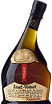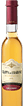




















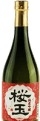








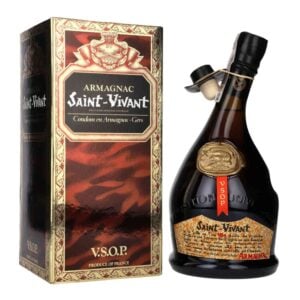
Saint Vivant Armagnac 40% 0,7l
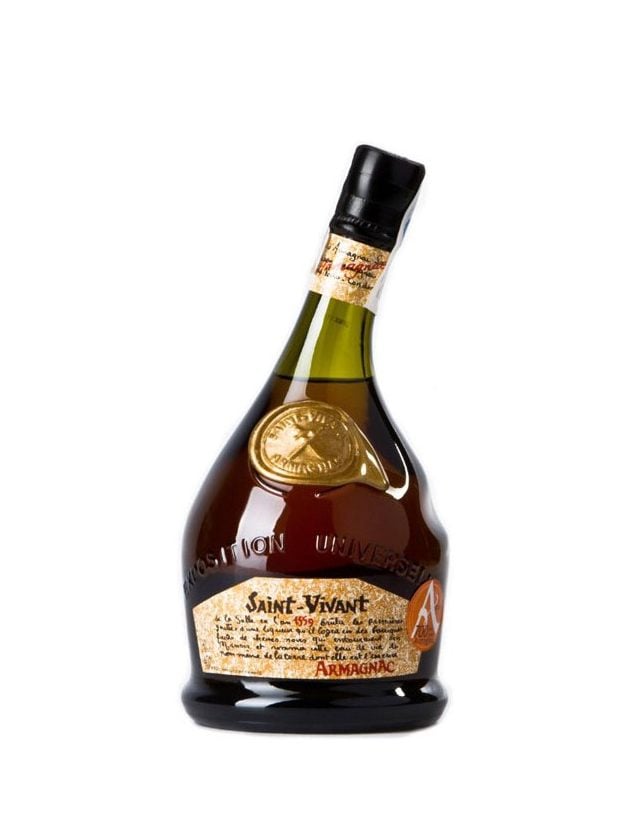
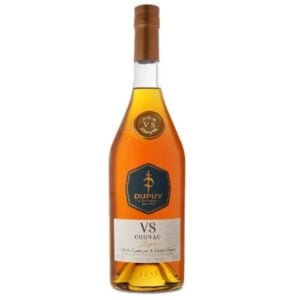
The photo is for illustrative purposes only. The product appearance, label, packaging, vintage, and other details may differ from those shown in the photo.
0
0
0
0
0
Product characteristics

 In-store pickup available today - Google Maps
 Same-day delivery in Warsaw via Wolt
 Shipping across Poland: 2-3 business days
 Gift options available at checkout





 Join our loyalty program and collect Spirits Points with every order
All Characteristics
About Brand
Reviews
 Key Details
Brand
Saint Vivant
Country
France
Aged
NAS
Finish
Oak
Peated
No
Alcohol
40%
 Sensory Structure
Alcohol
20–30%
31–40%
41–50%
51%+
Aroma Intensity
subtle
medium
expressive
intense
Flavor Profile
light / neutral
balanced
rich / bold
complex / layered
Body
light
med-
med
med+
full
Finish
short
medium
long
very long
 Tasting Characteristics
Saint Vivant Armagnac comes from Gascony in France. It ages in oak barrels, which gives it a deep amber hue and a bouquet of dried fruit, vanilla and oak spice. On the palate it is full and velvety, with notes of figs, honey and caramel. The finish is long and elegant, warming, with a light spicy accent. This armagnac combines tradition with French character and suits those who enjoy slow tasting and dry, mature flavours.
Aromas and flavours:
Primary
Aroma/Nose: The aroma is intense and complex: dried fruit, vanilla, caramel and oak.
Secondary
Palate/Taste: The palate is full and soft, with notes of figs, prunes, honey and spice.
Tertiary
Finish: The finish is long, warm and elegant, with a vanilla and oak close.
 Gastronomy
Serve at room temperature in a tulip glass to release the aromas. It works well as a digestif and alongside a cigar. It pairs nicely with desserts, especially chocolate and caramel ones, as well as foie gras and aged cheeses. This spirit is made for slow tasting – elegant, rich and timelessly French.
Food Pairing Suggestions:

Meat

Fish

Fruits and berries

Cheese
Poultry
Vegetables

Saint Vivant Armagnac – a French spirit from Gascony
Saint Vivant Armagnac is a French armagnac from Gascony. It ages in oak barrels, gaining a deep colour and a complex aroma. This spirit combines regional tradition with a character appreciated by those who like dry, mature drinks.
Flavour and character
The aroma is intense and complex: dried fruit, vanilla, caramel and oak. On the palate it is full and soft, with notes of figs, prunes, honey and spice. The finish is long, warm and elegant, with a vanilla and oak close.
How to serve
It tastes best at room temperature in a tulip glass, which helps release the aromas. It works as a digestif and alongside a cigar. It pairs well with chocolate and caramel desserts, foie gras and aged cheeses.
Who it is for
Saint Vivant Armagnac is for those who enjoy slow tasting and French spirits aged in oak. It suits a quiet evening, a dessert or a collection.
Frequently asked questions
What to pair Saint Vivant Armagnac with?
Saint Vivant Armagnac is best served as a digestif or with a cigar. It pairs well with chocolate and caramel desserts, foie gras and aged cheeses.
How much alcohol does Saint Vivant Armagnac have?
Saint Vivant Armagnac has 40% alcohol.
How to serve Saint Vivant Armagnac?
Serve it at room temperature in a tulip glass to fully release the aromas.
199,00 zł
199,00 zł
305,00 zł
 -17,10 zł