






Red Wine
210 products -13,30 zł

 -83,00 zł


 -23,00 zł


 -18,00 zł
 -74,00 zł
 -109,00 zł





Red wine is the classic many of us start our wine journey with – and the style we return to most often at festive dinners, barbecues and evenings with a good cheese. In this category you will find red wine from the world’s most important regions: from light, fruity everyday wines to deep, barrel-aged bottles worth collecting. Use the filters to narrow your choice by taste, country, grape variety and price – and if you are not sure where to start, read our short guide below.
What is red wine and where does its colour come from?
Red wine is made from dark-skinned (red, blue and purple) grapes. Interestingly, the juice of most varieties is colourless – the colour comes from the skins. During fermentation, the must stays in contact with the skins and seeds for several days or even weeks. This process, called maceration, gives the wine its colour, aromas and tannins – the compounds responsible for the slightly astringent, “dry” feeling in the mouth.
Colour also reveals a wine’s age. Young red wines have a vivid purple hue, which over the years turns ruby, garnet and brick-red. Wines aged in oak barrels gain additional notes of vanilla, tobacco, coffee or chocolate.
Types of red wine by sweetness
Dry red wine
This is the largest group of red wines. Dry wine contains up to 4 g of residual sugar per litre (or up to 9 g/l with sufficiently high acidity), so it tastes fruity but not sweet. In Polish, dry wine is called “wytrawne”. See our full range of dry red wine.
Semi-dry and semi-sweet red wine
Semi-dry (up to 12 g/l of sugar) and semi-sweet (up to 45 g/l) wines have a softer, fruitier character and less noticeable tannins. They are a great choice if you are new to wine and for social gatherings. Classics include Georgian Kindzmarauli, Italian Lambrusco and the soft, ripe Primitivo from Puglia. See semi-sweet red wine.
Sweet red wine
Sweet red wines contain more than 45 g of sugar per litre. This group includes dessert and fortified wines such as Portuguese port. They pair beautifully with chocolate desserts, cakes with dark fruit and blue cheeses. Find more in sweet and dessert wines.
The most popular red grape varieties
The grape variety largely determines how a wine tastes. These are the ones we reach for most often:
- Primitivo – an Italian variety from Puglia, producing full, soft wines with aromas of ripe plums, cherries and jam. Primitivo is one of the most popular red wine styles in Poland.
- Merlot – gentle and velvety, with notes of plum and red fruit. A good choice if you do not like strong tannins.
- Cabernet Sauvignon – structure, blackcurrant, cedar and firm tannins. Tastes best after a few years of ageing.
- Pinot Noir – light and elegant, with aromas of cherry, strawberry and forest floor.
- Syrah / Shiraz – dark fruit, black pepper and spice; drier and spicier in France, fuller and fruitier in Australia.
- Malbec, Tempranillo and Carménère – the signature grapes of Argentina, Spain and Chile respectively.
Red wine from around the world
Italian red wine
Italy offers perhaps the greatest variety of red wines. Tuscan red wine means above all Sangiovese-based Chianti. Piedmont gives us the powerful, long-lived Barolo made from Nebbiolo, and Veneto – Amarone, made from partially dried grapes. The south is famous for fruity Primitivo. Explore our full selection of Italian wines.
French red wine
French red wine is the benchmark for winemakers around the world. Bordeaux is famous for blends of Cabernet Sauvignon and Merlot, Burgundy for elegant Pinot Noir, and the Rhône Valley for warming Syrah- and Grenache-based wines, including Châteauneuf-du-Pape. See French wines.
Spanish red wine
Spanish red wine offers excellent value for money. The best-known regions are Rioja and Ribera del Duero, where Tempranillo reigns. On labels, look for Crianza, Reserva and Gran Reserva, which indicate how long the wine has aged in barrel and bottle. More in Spanish wines.
Georgian and New World wines
Georgian wines made from Saperavi have a deep, almost opaque colour and intense fruit. Wines from Chile, Argentina and Australia impress with ripe fruit and approachable prices – explore Chilean wines and wines from Australia and New Zealand.
How to choose a good red wine
A good red wine is one that suits your taste and the occasion. Five simple steps will make the choice easier:
- Decide on sweetness. If you rarely drink wine, start with semi-dry or semi-sweet wines. Lovers of bold flavours should go for dry wines.
- Match the wine’s body to the food. Light dishes call for a light wine (e.g. Pinot Noir), while red meat and grilled dishes call for a full-bodied one (Cabernet Sauvignon, Primitivo, Malbec).
- Check the grape and region. They tell you the most about a wine’s style. If you enjoyed a particular wine, look for other bottles from the same grape or region.
- Read the label. Appellation designations (DOC and DOCG in Italy, AOC in France, DO in Spain) guarantee the wine’s origin and production rules. Ageing terms (e.g. Reserva) tell you whether the wine is young and fruity or mature and complex.
- Set a budget. You can find good red wine in every price range – see prices below.
Prefer tried-and-tested picks? Browse our best wines selection, which includes the best red wines in several price ranges.
Red wine food pairing
| Wine style | Examples | Serve with |
|---|---|---|
| Light | Pinot Noir, Beaujolais, Valpolicella | poultry, salmon, mushroom dishes, pizza |
| Medium-bodied | Merlot, Chianti, Rioja Crianza | pasta with tomato sauce, pork, roasts |
| Full-bodied and tannic | Cabernet Sauvignon, Primitivo, Malbec, Barolo | steaks, barbecue, game, aged cheeses |
| Semi-sweet and sweet | Lambrusco, Kindzmarauli, port | spicy dishes, chocolate desserts, blue cheeses |
How to serve red wine
Temperature – should red wine be chilled?
Yes, but only slightly. The popular rule of serving red wine “at room temperature” dates back to times when homes were much cooler than today. The ideal temperature is 14–16°C for light wines and 16–18°C for full-bodied ones. If the wine has been standing in a warm flat, put it in the fridge for 15–20 minutes before serving. Red wine served too warm tastes heavy and alcoholic.
Red wine glasses
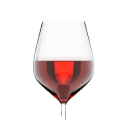
Choose glasses with a large, round bowl for red wine. The greater contact with air releases the aromas and softens the tannins. Fill the glass to about one third. You will find suitable glassware among our wine accessories.
Decanting
Young, tannic wines (e.g. Cabernet Sauvignon, Barolo) benefit from being poured into a decanter 30–60 minutes before serving – the wine “breathes” and becomes softer. Older vintages are decanted carefully, mainly to separate the sediment.
Red wine prices
The price of red wine depends on the region, grape variety, ageing time and the producer’s reputation. As a rough guide:
- Wines under PLN 50 – young, fruity everyday wines, great with dinner and at gatherings.
- Wines under PLN 100 – the best value-for-money segment, including appellation wines from Italy, Spain and France.
- Premium wines – Barolo, Amarone, classic Bordeaux and aged vintages, ideal as a gift or for your collection.
Frequently asked questions
Red or white wine – which should I choose?
It all depends on the food and your preferences. Red wine is usually fuller and more structured, so it pairs better with meat and hearty dishes. White wine is lighter and crisper – perfect with fish, seafood and salads. If you are looking for something in between, try rosé wine.
How many calories are in red wine?
Dry red wine contains on average around 80–85 kcal per 100 ml, or about 120–130 kcal in a standard 150 ml glass. Semi-sweet and sweet wines contain more calories due to their higher sugar content.
Is red wine healthy?
Red wine contains polyphenols, including the often-mentioned resveratrol, but the amount in a glass is small, and the World Health Organization stresses that there is no level of alcohol consumption that is safe for health. Enjoy wine as part of a culinary experience and drink it in moderation.
How long does an opened bottle of red wine last?
Tightly closed with a cork or stopper and kept in a cool place, red wine will keep its flavour for 3–5 days. Full-bodied, tannic wines usually stay fresh longer than light ones.
Explore our selection of red wine. Alcohol is sold only to persons aged 18 and over.