












White Wine
143 products -80,00 zł
 -58,00 zł
 -11,34 zł
 -15,90 zł
 -18,00 zł
 -16,00 zł


 -52,00 zł
 -52,10 zł
 -38,00 zł
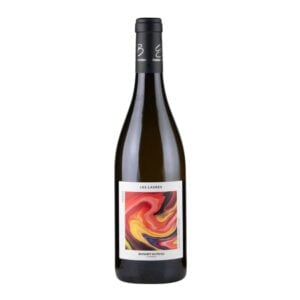 -51,00 zł
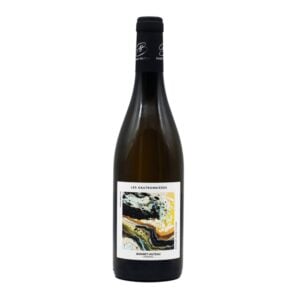 -36,00 zł
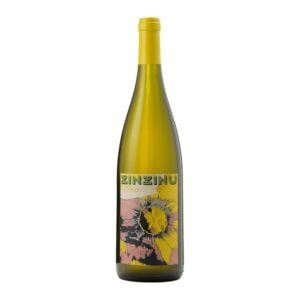 -62,00 zł


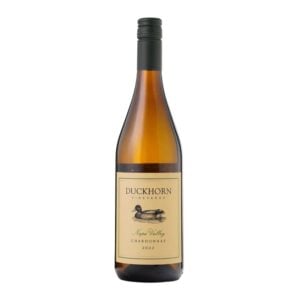 -20,60 zł


White wine is associated with freshness, lightness and summer evenings – but this category has much more to offer: from crisp, mineral wines for seafood, through aromatic semi-sweet wines, to golden dessert wines and full, barrel-aged Chardonnay. In our shop you will find white wine from the world’s most important wine regions. Filter by taste, country, grape variety and price, and read below how to choose a good white wine for any meal or occasion.
What is white wine?
Most white wines are made from light, greenish or golden grapes. The key difference from red wine is that the grapes are pressed right after harvest and the juice ferments without the skins. As a result, wine from white grapes has a pale colour, few tannins and pronounced acidity that gives an impression of freshness.
White wine can also be made from dark grapes – the colourless juice just needs to be gently pressed and separated from the skins immediately. This is how wines labelled blanc de noirs are made, including some champagnes.
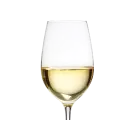
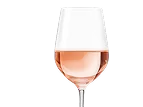
The colour of white wine ranges from almost transparent and greenish, through straw, to deep gold. A darker shade usually indicates an older, barrel-aged or sweet wine.
Types of white wine
Dry white wine
Dry white wines (up to 4 g of sugar per litre, or up to 9 g/l with higher acidity) are crisp, fruity and great with food. A “crisp white wine” is exactly that – fresh, with pronounced acidity, usually dry. Classic examples include Sauvignon Blanc, Chablis and Italian Soave. See our full range of dry white wine.
Semi-dry and semi-sweet white wine
Semi-dry and semi-sweet wines combine fruity sweetness with acidity, so they never feel cloying. They are a good choice for those just getting to know wine, and for Asian cuisine. Favourites include German Rieslings, aromatic Gewürztraminer and Moscato. See semi-sweet white wine.
Sweet and dessert white wine
This group includes late-harvest wines and wines made from grapes affected by noble rot. The best-known Hungarian dessert wine is Tokaji Aszú – golden, with notes of apricot, honey and orange peel. In France, Sauternes from Bordeaux represents a similar style. More in sweet and dessert wines.
Light and full-bodied white wine
Light white wines (e.g. Pinot Grigio, young Riesling, Vinho Verde) are fermented in stainless steel tanks and keep a fresh, fruity character. Full-bodied wines, such as oak-aged Chardonnay, are creamier, with notes of butter, vanilla and nuts – they can easily replace a red wine with richer dishes.
The most popular white grape varieties
- Riesling – high acidity, aromas of citrus, green apple and peach; with age, notes of honey and a characteristic “petrol” touch. Made in every style, from dry to sweet.
- Chardonnay – the most versatile white grape: mineral and crisp in cool Chablis, full and creamy in warmer regions and after oak ageing.
- Sauvignon Blanc – intensely aromatic: gooseberry, citrus, freshly cut grass, passion fruit.
- Pinot Grigio / Pinot Gris – light and neutral in Italy, fuller and fruitier in Alsace.
- Gewürztraminer and Moscato – very aromatic, with notes of rose, lychee and grapes; often semi-sweet.
White wine from around the world
German white wine
White wine made in Germany means above all Riesling from the Mosel, Rheingau and Pfalz regions. On German labels, look for the sweetness terms trocken (dry), halbtrocken (semi-dry) and lieblich (semi-sweet). See German wines.
Italian white wine
Italy gives us light Pinot Grigio from Veneto and Friuli, almond-scented Soave made from Garganega, and the increasingly popular Pecorino from Abruzzo and Marche. Full selection in Italian wines.
French white wine
France means Chablis (mineral Chardonnay from northern Burgundy), Sancerre from the Loire Valley (Sauvignon Blanc), aromatic wines from Alsace and white Bordeaux – a blend of Sauvignon Blanc and Sémillon. See French wines.
Spanish white wine
Spanish white wine includes crisp Albariño from Galicia and Verdejo from Rueda. Sherry (jerez) is a category of its own – a fortified white wine from Andalusia, ranging from dry fino to sweet Pedro Ximénez. More in Spanish wines.
Polish white wine
Polish vineyards increasingly focus on white wines from cold-resistant varieties such as Solaris and Johanniter. These are fresh, aromatic wines well worth discovering – explore Polish wines.
How to choose a good white wine
- Start with the style. If you like crispness and citrus, choose a dry Sauvignon Blanc or Pinot Grigio. If you prefer something gentler, go for a semi-sweet Riesling or Moscato. Looking for something richer? Pick an oak-aged Chardonnay.
- Think about the food. The more delicate the dish, the lighter the wine. Oily fish and creamy sauces pair better with fuller wines.
- Check the vintage. Most white wines taste best within 1–3 years of harvest, when they are freshest. Exceptions include good Rieslings, Chablis and dessert wines, which age beautifully.
- Set a budget. A good everyday white wine does not have to be expensive, while for special occasions it is worth choosing wines from renowned appellations.
Ready-made picks, including the best white wines in different price ranges, can be found in our best wines selection.
White wine food pairing
| Wine style | Examples | Serve with |
|---|---|---|
| Light and crisp | Pinot Grigio, Sauvignon Blanc, Soave | fish, seafood, salads, goat’s cheese |
| Aromatic, semi-sweet | Riesling, Gewürztraminer, Moscato | Asian cuisine, spicy dishes, fruit desserts |
| Full-bodied, oaked | Chardonnay, white Bordeaux | poultry, veal, salmon, cream sauces, risotto |
| Sweet and dessert | Tokaji Aszú, Sauternes | foie gras, blue cheeses, fruit tarts |
White wine for cooking
White wine is one of the key ingredients of Mediterranean cuisine: it adds depth to risotto, sauces for fish and poultry, and steamed mussels. For cooking, choose a dry, inexpensive wine – but one you would happily drink, as any flaws only intensify in the dish. Avoid sweet and heavily oaked wines.
What can you use instead of white wine in a recipe? Most often vegetable or chicken stock with a spoonful of lemon juice or wine vinegar to replace the wine’s acidity.
How to serve white wine
What temperature should white wine be served at?
Serve light white wines at 7–10°C, full-bodied and oaked ones at 10–13°C, and dessert wines at 8–10°C. Wine served too cold loses its aroma, while wine served too warm tastes flat. Let a bottle stand for a few minutes after taking it out of the fridge, and keep it in a cooler during dinner.
White wine glasses
White wine glasses have a smaller, narrower bowl than red wine glasses, which keeps the wine cool for longer and concentrates the aromas. For full-bodied Chardonnay, you can use a glass with a wider bowl. See wine accessories.
White wine for winter
White wine also works well served warm. Mulled white wine with fruit and spices is a lighter alternative to classic mulled wine – find suitable bottles in our mulled wine category.
White wine prices
- Wines under PLN 50 – crisp, young wines for every day and for parties.
- Wines under PLN 100 – appellation Rieslings, Chablis, Albariño and wines from renowned estates.
- Premium wines – great white Burgundies, mature Rieslings and Tokaji Aszú, ideal as a gift.
For larger parties, consider large-format bottles – see magnums and large formats.
Frequently asked questions
White or red wine – which is healthier?
Red wine contains more polyphenols because it is fermented with the skins, but that does not make it “healthier”. In both cases the main active ingredient is alcohol, and the World Health Organization states that there is no level of alcohol consumption that is safe for health. Choose wine by taste and drink it in moderation.
How many calories are in white wine?
Dry white wine contains around 80 kcal per 100 ml, or about 120 kcal in a 150 ml glass. Semi-sweet wines usually have 90–100 kcal per 100 ml, and dessert wines even more.
How long does an opened bottle of white wine last?
Closed with a cork or stopper and kept in the fridge, white wine stays fresh for 3–5 days. Sweet and fortified wines last longer.
Can white wine be made from red grapes?
Yes. The juice of most dark grape varieties is colourless, so if it is separated from the skins right after pressing, the result is white wine. This is how blanc de noirs champagnes are made.
Explore our selection of white wine. Alcohol is sold only to persons aged 18 and over.